Sign in. It’s quick, free and it’s up to you.
An account is an optional way to support the work we do. Find out more.
Sign in. It’s quick, free and it’s up to you.
An account is an optional way to support the work we do. Find out more.
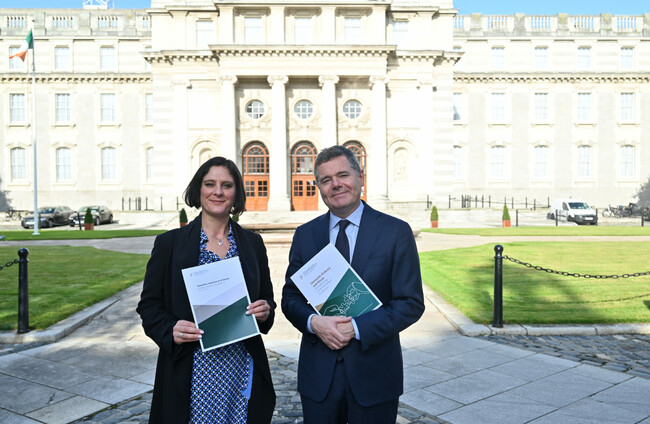
CIVIL SERVANTS WILL now be able to avail of domestic violence leave under a new policy launched today by Minister for Public Expenditure Pascal Donohoe.
The Domestic Violence and Abuse Policy for the Civil Service sets out “statutory entitlements to domestic violence leave and other employment supports for civil servants,” a statement accompanying the launch read.
“With recent Government approval to publish the Domestic, Sexual and Gender-based Violence (DSGBV) bill secured by Minister Helen McEntee, this policy further supports the Government’s commitment to deliver on commitments under Zero Tolerance, the Third National Strategy on DSGBV.”
Speaking at the launch, Donohoe said, “we must recognise that the workplace may be somewhere a victim has distance from an abuser and therefore employers are in a prime position to provide workplace supports and guidance toward specialist services.
“It is in this context that the Civil Service has developed this important policy which underscores its commitment to supporting staff and colleagues impacted by domestic violence and abuse.”
Sarah Benson, CEO of Women’s Aid, commended the development of the “important policy for the benefit of over 47,500 Civil Service employees nationwide.”
“We know that employers who implement policies and procedures for employees subjected to domestic abuse can help to reduce the risk of victims/survivors giving up work, increase financial security and also increase feelings of solidarity and support at a time when victims/survivors may feel completely isolated and alone,” she said.
This announcement follows a similar one regarding domestic violence leave for private sector employees, which was also developed with Women’s Aid.
Domestic violence leave is set to be formally introduced this autumn, with the publication of regulations setting out the rate of pay and guidance for employers currently being developed by Women’s Aid.
The new form of leave was introduced as part of the Work Life Balance Act, which was passed earlier this year.

To embed this post, copy the code below on your site













have your say