We need your help now

Support from readers like you keeps The Journal open.

You are visiting us because we have something you value. Independent, unbiased news that tells the truth. Advertising revenue goes some way to support our mission, but this year it has not been enough.

If you've seen value in our reporting, please contribute what you can, so we can continue to produce accurate and meaningful journalism. For everyone who needs it.

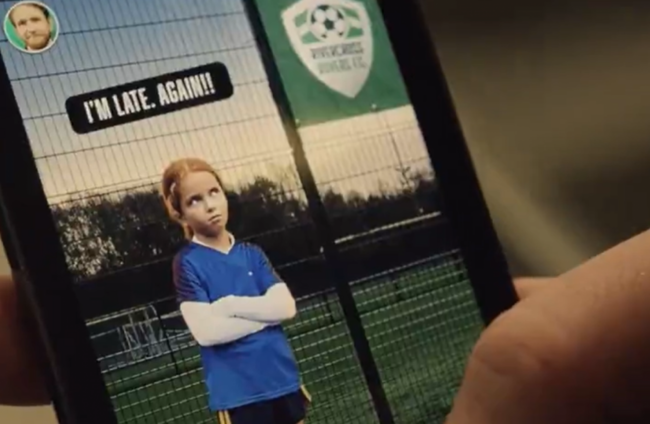
A new advert from the Data Protection Commission shows how sharing pictures of your child online exposes them to danger. DPC

This 'terrifying' Irish ad about online child safety plays out like a dystopian horror movie

The ad by the Data Protection Commission (DPC) is being widely shared online.

LAST UPDATE | 27 Nov 2025

AN ALARMING NEW ad by Ireland’s Data Protection Commission (DPC) that plays out like the opening scenes of a horror movie has been shared widely online. 

The ad – about the dangers of parents over-sharing information about their children – has been described as “terrifying” by some parents – with one noting that it’s “the best ad” on the topic that they had ever seen and another adding that “everyone needs to see this”.

Several people said it opened their eyes to the danger of sharing content online.

“I’m a major culprit on this one. Still, it’s never too late to step into the light,” one parent said. 

It’s part of the DPC’s ‘pause before you post’ campaign highlighting the dangers of ‘sharenting’ – the practice of parents regularly sharing information, photos and videos about their children on social media.

In the scenario that plays out in the ad, the mother and father of a young girl are seen walking through a shopping centre with their child. Various passers-by – all strangers to the family – speak in familiar terms to the girl, to the growing alarm of the family. 

The sequence shows how, from social media posts shared by a young child’s parents, strangers could access their name, age, date of birth, photos of her friends, the name and location of her football club, her training schedule and the fact that her dad is not always on time to collect her.

In the closing scenes one man comments:

“Ah I see you’re back playing football Thursdays Éabha. Hope your dad picks you up on time for once.”

He can then be seen viewing and saving images of Éabha shared online by her father.

Mick Moran, one of Europe’s leading experts in policing child sexual abuse material, told The Journal that parents needed to be incredibly careful with their online posts. 

“You don’t know how that content will be used,” he said 

Social media posts of children can be used for everything from sexual pleasure by paedophiles to identity fraud, Moran warned. 

The former garda detective who now heads up Irish national internet reporting organisation Hotline.ie warned parents never to share information about their child unless their social media account had strong privacy settings

He said it was okay to take pictures of your children as long as who can see them is strictly limited. If a social media account is not private, it opens the possibility for people across the world to see the content.

Photos and videos also often contain information about the location and time at which the image was taken which can then also reveal valuable information about your children, such as the places they often visit.

The content can also reveal sensitive information which can lead to identity fraud.

A child’s name, date of birth, the name of their school, or their favourite sports team, can be misused to hack passwords or for identity fraud scams.

A study from the French organisation Children’s Foundation recently found 50% of children’s photos and videos shared on paedo-criminal forums were initially published online by their own parents.

The DPC said embarrassing photos or videos can also lead to school bullying, or impact the child’s personal and professional future.

Readers like you are keeping these stories free for everyone...
A mix of advertising and supporting contributions helps keep paywalls away from valuable information like this article. Over 5,000 readers like you have already stepped up and support us with a monthly payment or a once-off donation.

View 38 comments
Close
38 Comments
This is YOUR comments community. Stay civil, stay constructive, stay on topic. Please familiarise yourself with our comments policy here before taking part.
Leave a Comment
    Submit a report
    Please help us understand how this comment violates our community guidelines.
    Thank you for the feedback
    Your feedback has been sent to our team for review.

    Leave a commentcancel

     
    JournalTv
    News in 60 seconds