Sign in. It’s quick, free and it’s up to you.
An account is an optional way to support the work we do. Find out more.
Sign in. It’s quick, free and it’s up to you.
An account is an optional way to support the work we do. Find out more.
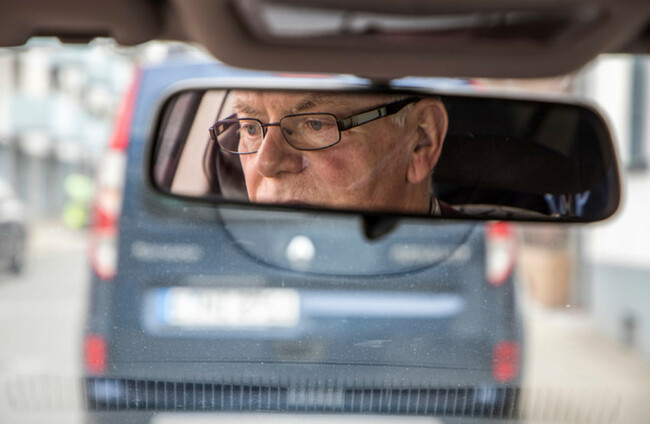
A PROPOSAL FROM the European Commission that could result in drivers over 70 years old having to undergo refresher courses will not be implemented in Ireland, it has been revealed.
Fianna Fáil Senator Niall Blaney said the controversial proposal, which was described as “harmful” by one leading expert, will not be implemented in Ireland after he consulted with junior transport minister Jack Chambers.
The Minister of State for Transport has said there are “no plans” to change the age from over 75 years old, to 70, according to Blaney.
Chambers added, that drivers under 75 will not have to supply a medical report confirming their fitness to drive, unless they have specifically identified as someone who must, have a specific illness or are required to do so by law.
The European Commission proposal centred around some motorists having to undergo regular medical tests and refresher courses to renew their driving licence, which critics say would impact older drivers disportionately.
While the proposals do not mention age-related assessments, it does suggest a “more targeted assessment of medical fitness, taking into account advances in medical treatment for diseases such as diabetes”.
The proposals also suggested mandatory training for professional van drivers as well as allowing children as young as 16 to drive cars that have been fitted with a speed-limiting device.
Responding to his correspondence with the minister, Blaney said: “I very much welcome the Government’s response to this proposal, and I very much hope that the current status quo is never altered.”
He added: “I was also informed that the new EU directive is not mandatory for member states and that the current system in Ireland for older drivers will remain in place.”
Professor Desmond O’Neill, the chairperson of the Irish Society of Physicians in Geriatric Medicine, claimed the measure would have had negative effects for many older people including vulnerable road users.
O’Neill added that the measures would have been “ineffective and harmful”.
Blaney said that while the EU proposals are intended to improve road safety, he believes the directive is ageist and unfair, particularly against rural drivers in areas that have limited access to any alternative form of transport.
He added that he believes in more “innovative and progressive road safety measures” including teaching of driver theory to school children and additional investment in local road improvements.
A conference, organised by the European Transport Safety Council, published a new report on ways to reduce the deaths of older people on European roads.
It revealed that 5,400 people over 65 were killed on EU roads in 2021 of which 55% were vulnerable road users.
A third of all people aged over 65 killed in road traffic collisions are pedestrians, with the figure as high as 50% for fatalities in older women.
Additional reporting by Seán McCárthaigh

To embed this post, copy the code below on your site

















have your say