Sign in. It’s quick, free and it’s up to you.
An account is an optional way to support the work we do. Find out more.
Sign in. It’s quick, free and it’s up to you.
An account is an optional way to support the work we do. Find out more.
EVERY WEEK, WE bring you a round-up of the best longreads of the past seven days in Sitdown Sunday.
For the next few weeks, we’ll be bringing you an evening longread to enjoy. With the news cycle dominated by the coronavirus situation, we know it can be hard to take your mind off what’s happening.
So we want to bring you an interesting read every weekday evening to help transport you somewhere else.
We’ll be keeping an eye on new longreads and digging back into the archives for some classics.
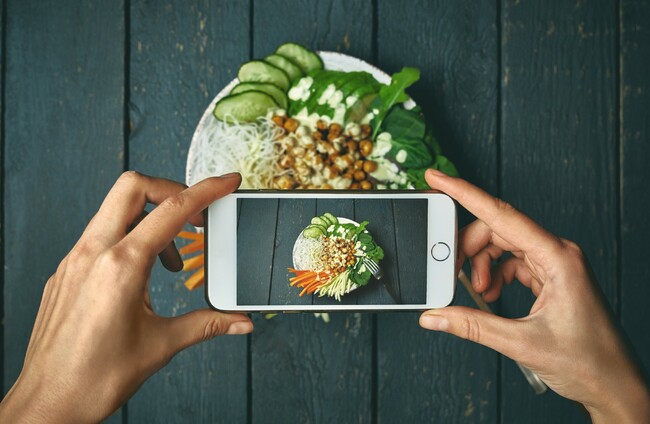
In 2017, food writer Bee Wilson looked atthe topic of ‘clean eating’, and how it grew to become a hugely popular movement. Is it all it’s cracked up to be, or is it giving people complexes about food?
(The Guardian, approx 26 mins reading time)
For as long as people have eaten food, there have been diets and quack cures. But previously, these existed, like conspiracy theories, on the fringes of food culture. “Clean eating” was different, because it established itself as a challenge to mainstream ways of eating, and its wild popularity over the past five years has enabled it to move far beyond the fringes. Powered by social media, it has been more absolutist in its claims and more popular in its reach than any previous school of modern nutrition advice.

To embed this post, copy the code below on your site













have your say