Sign in. It’s quick, free and it’s up to you.
An account is an optional way to support the work we do. Find out more.
Sign in. It’s quick, free and it’s up to you.
An account is an optional way to support the work we do. Find out more.
EVERY WEEK, WE bring you a round-up of the best longreads of the past seven days in Sitdown Sunday.
For the next few weeks, we’ll be bringing you an evening longread to enjoy. With the news cycle dominated by the coronavirus situation, we know it can be hard to take your mind off what’s happening.
So we want to bring you an interesting read every weekday evening to help transport you somewhere else.
We’ll be keeping an eye on new longreads and digging back into the archives for some classics.
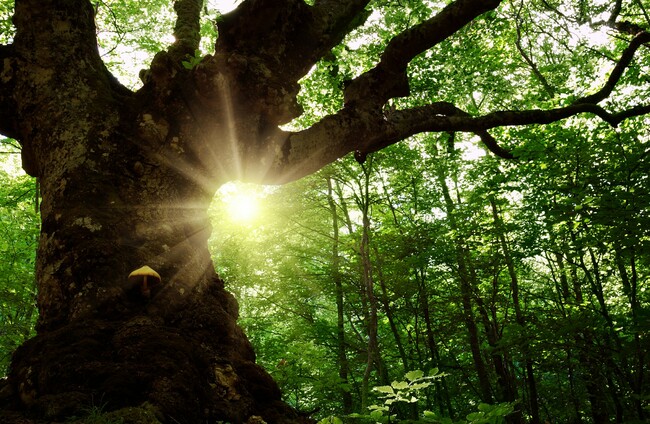
In the 1900s, researchers in the Northwest of the US began to create experimental plots so that they could study trees. To do this, they removed old growth trees and planted seedlings. But it turns out the old growth trees that survived are crucial to fighting climate change.
(Wired, approx 15 mins reading time)
There are scientists racing to invent new technologies that pull carbon from the air, but here, all around him, are billions of needles and leaves that already do it, day in and day out. Through the profound, irreplaceable, utterly ordinary bit of magic that is photosynthesis, trees build themselves from almost nothing, transforming sunlight, carbon dioxide, and water into millions of tons of biomass—approximately half of which is pure carbon, locked safely away from the atmosphere. And old trees, by virtue of their age and size, can hold far more carbon than anybody else.

To embed this post, copy the code below on your site












have your say