Sign in. It’s quick, free and it’s up to you.
An account is an optional way to support the work we do. Find out more.
Sign in. It’s quick, free and it’s up to you.
An account is an optional way to support the work we do. Find out more.
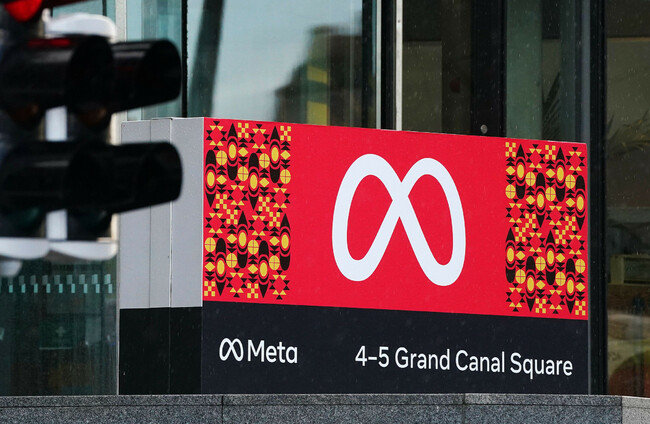
A PRIVATE MEETING with Meta was held in Leinster House today after the tech giant said it would only appear before the Oireachtas Media Committee if the meeting was not held in public session.
The meeting centred around moderation policies the company applies to those in public life.
When The Journal asked the committee chairperson if members were kowtowing to Meta for allowing the meeting to be held in private, Niamh Smyth explained their reasoning.
She said that during the last engagement the committee had with the company, Meta said it had a higher threshold for any action to be taken in relation to content about people in the public eye.
“I think that goes beyond politicians, and we asked why, and they wouldn’t go into it, they said not in a public setting,” she said.
“We were more than anxious to hear about what their reasons are for that, so that is why we agreed to a private setting,” said Smyth.
It is understood committee members deliberated on the matter and whether it should bend to such a request, deciding that it was better to proceed with the meeting rather than not hold the meeting at all.
It is not the first time that tech companies have refused invitations from the media committee, with Meta, TikTok and X all refusing to attend when invited last year, much to the unhappiness of TDs.
Last year, Sinn Féin’s Pearse Doherty said it was unacceptable that tech giants were refusing to attend stating that they had “a responsibility to come before the committee”.
The committee had previously engaged with representatives from Meta on the topic of online safety, online disinformation and media literacy.
During the meeting today it is understood there was a discussion on Meta’s rationale for having a lower level of protection for public figures.
TDs and senators raised questions about the community standards and, in particular, whether standards are being enforced.
The committee also explored the obligations of social media companies under the Online Safety and Media Regulation Act, as well as the Digital Services Act.
Meta was asked about the role the company plays in combating polarisation and disinformation, along with the impact of disinformation, deep fakes and online abuse on upcoming elections and referenda.
There was also a focus on the use of AI for content moderation.
Meta outlined that the bullying and harassment provision of its content policy standards makes a distinction between public figures and private individuals in order to facilitate discussion, including critical commentary of people who are featured in the news or who have a large public audience.
The tech company outlined how it believes users are protected from certain behaviours such as calls for self injury and suicide.
Meta’s standards include rules against content sexualising a public figure, it explained, saying it removes such content once the company receives confirmation from the public figure in question that they object to its publication.
Meta added that it has appointed an oversight board to help resolve difficult questions around freedom of expression.
Fianna Fáil Senator Malcolm Byrne told The Journal that it was a “useful and productive engagement. It certainly helps in our overall consideration of these issues”.
The committee is due to meet Twitter / X on the same issues in February. It is understood this meeting will also be held in private.

To embed this post, copy the code below on your site













have your say