We need your help now

Support from readers like you keeps The Journal open.

You are visiting us because we have something you value. Independent, unbiased news that tells the truth. Advertising revenue goes some way to support our mission, but this year it has not been enough.

If you've seen value in our reporting, please contribute what you can, so we can continue to produce accurate and meaningful journalism. For everyone who needs it.

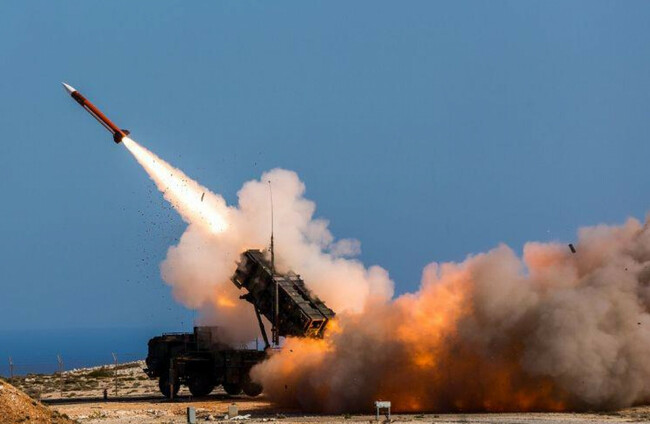
A stock image of a Thaad launcher as an interceptor deploys. Alamy Stock Photo

Concerns UAE may run low on interceptors needed to shoot down Iranian missiles

There are two main types of air defence missiles being used – the THAAD (Terminal High Altitude Area Defence) and the Patriot missile batteries.

AS IRANIANS LAUNCH salvos of rockets and unmanned aircraft the US and United Arab Emirates are struggling to keep up, The Journal has learned. 

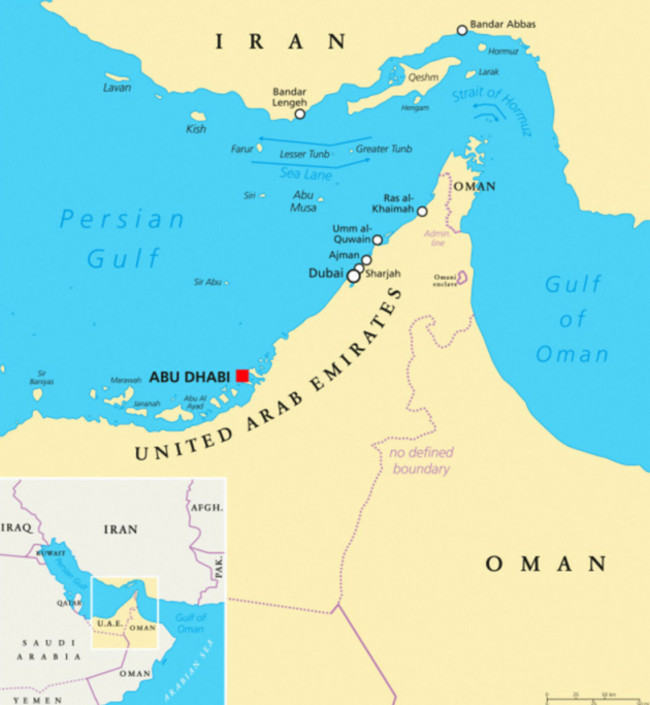
The UAE comprises a number of emirates – most famously Dubai and Abu Dhabi. It also borders Qatar, Bahrain and Oman. All locations have been struck since the war began. 

There are two main types of air defence missiles being used – the THAAD (Terminal High Altitude Area Defence) and the Patriot missile batteries. 

The US is operating systems across the region but as repeat salvos come across the Strait of Hormuz the teams are struggling to keep up. Videos depicting the launches have been circulating on social media and news reports.

As one source said to The Journal, it is basic maths, there is not a bottomless pit of high tech missiles available.

A typical Thaad battery is large and comprises 95 soldiers, manning six truck-mounted launchers with 48 interceptors in total. They are expensive – coming in at around $1bn. 

There is a specialist radar system and a fire and control component also. It is understood that around 10 Thaad batteries exist in the world. 

In analysis seen by The Journal the first two days saw approximately 400 missiles and 1,000 drones were launched by Iran. The response from Arab countries and the US has seen multiple missiles being launched on single incoming targets. 

The concern now is that those stocks are dwindling and if they run out they could leave UAE cities badly exposed. There have been reports among Asian press that the US may be considering moving missile batteries from Korea.  

Naval ships, such as a British frigate, are now being rushed to the region to back fill the land based launchers but they will not arrive for several days.

Meanwhile Israel is also using large amounts of their Iron Dome interceptors as Hezbollah and Iran launch attacks. 

In neutral Cyprus, which is hosting the EU Presidency, attacks by Hezbollah drones has seen British fighter jets in Combat Air Patrols to intercept the incoming aircraft.  

Screenshot (265) A map of the United Arab Emirates.

Sources have said that it is anticipated that US and Israel will have to change tactics to target the launchers. Generally Iran uses mobile launchers contained in flat bed trucks for ballistic missiles. 

There have been reports that the US and Israel have successfully bombed these vehicles as they were on the move. 

In the Gulf wars special forces teams were deployed into the Iraqi desert to hunt so-called Scud launchers – that had some limited success. 

Iran’s latest missile barrages appear to be smaller than those launched in June and in October 2024, when Iran first attacked Israel.

The biggest issue for the defenders is that each incoming missile requires at least two or three interceptors to take them down. 

The other issue is that the missiles, such as Thaad and the Patriot systems are produced in small numbers and with the war in Ukraine having taken some chunk of their annual production, the issue arises that stocks may already be scuppered before they even launch the devices. 

One source familiar with air defence said that the Israelis had completely failed to eliminate the rocket threat from Gaza and Lebanon having led a scorched earth strategy. 

The UAE have rubbished claims of a shortage of interceptors. 

It said it “maintains a robust strategic stockpile of munitions, ensuring sustained interception and response capabilities over extended periods.”

The country said yesterday that it had destroyed 161 out of 174 ballistic missiles and that some had fallen short into the sea.

It said 689 drones had been launched by Iran and 645 were intercepted. There had also been the launch of eight cruise missiles. 

With reporting from AFP

Readers like you are keeping these stories free for everyone...
A mix of advertising and supporting contributions helps keep paywalls away from valuable information like this article. Over 5,000 readers like you have already stepped up and support us with a monthly payment or a once-off donation.

Close
JournalTv
News in 60 seconds