Sign in. It’s quick, free and it’s up to you.
An account is an optional way to support the work we do. Find out more.
Sign in. It’s quick, free and it’s up to you.
An account is an optional way to support the work we do. Find out more.
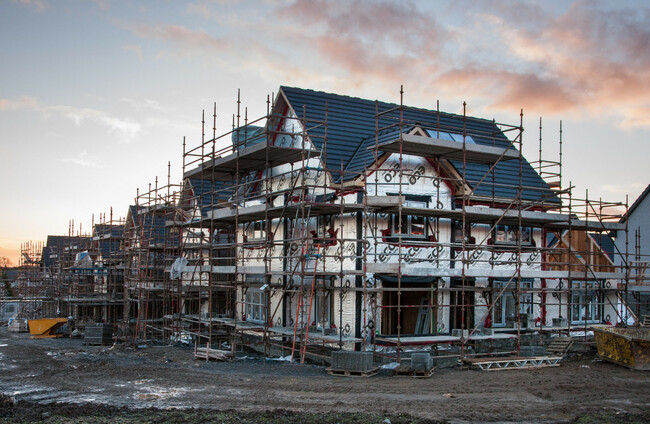
THE PRICE INFLATION of houses in Ireland is at an eight-year high, according to the latest quarterly house price report from property website Daft.ie.
The report, released today, is informed by data from the first quarter of 2025. It shows that housing prices rose nationally by an average of 3.7% since the beginning of the year.
The typical listed price across the country was €346,080. This is 11.6% higher than a year ago, and 35% higher than at the beginning of the Covid pandemic.
The current rate of inflation within the housing market is the second-highest in the last decade, since mortgage market rules were introduced, and it is second only by 0.1% to early 2017, when there was a spike in prices.
The report states that the surge in inflation is being driven by Dublin and the rest of Leinster. In Dublin, inflation is now running at 12.2%,. This is the highest rate in eight years.
In the rest of Leinster, the annual increase in prices is 13.4%, also the highest since early 2017. Galway has seen an increase by 13.2%, and Limerick cities by 13.8%. This is above the national average.
Waterford and Cork cities (11.2% and 9.2% respectively) are seeing house prices inflate at a slower rate.
The surge in inflation is coupled with, and elevated by, a diminished number of second-hand homes available to buy. On 1 March, the number stood at less than 9,300 – down 17% year-on-year- and the lowest total ever recorded in a series extending back to January 2007.
Author of the report, economist at Trinity College Dublin Ronan Lyons, said that even as the number of homes built increases, the lack of supply of second-hand homes is fundamentally driving up housing prices nationally.
“The latest surge in inflation is due, at least in part, to the well-flagged increase in interest rates, which saw existing homeowners fix their rates, often for many years, with consequences for liquidity in the second-hand market.
But while the increase in interest rates has played a role, the underlying issue remains the housing deficit.
“The mortgage market rules were introduced a decade ago to prevent a repeat of the loose lending that drove Ireland’s Celtic Tiger bubble and crash. Nonetheless, prices are up 75% since then, not because of too much credit but because of too few homes.”
He said that this latest report shows that the surge in inflation is not yet over. The housing system in Ireland “seems reliant on government funding and subsidies, an unfortunate circumstance at the best of times but of greater concern given wider economic uncertainties”, he said.
Average list price and year-on-year change – major cities, Q1 2025
Journal Media Ltd has shareholders in common with Daft.ie publisher Distilled Media Group.

To embed this post, copy the code below on your site




have your say