Sign in. It’s quick, free and it’s up to you.
An account is an optional way to support the work we do. Find out more.
Sign in. It’s quick, free and it’s up to you.
An account is an optional way to support the work we do. Find out more.
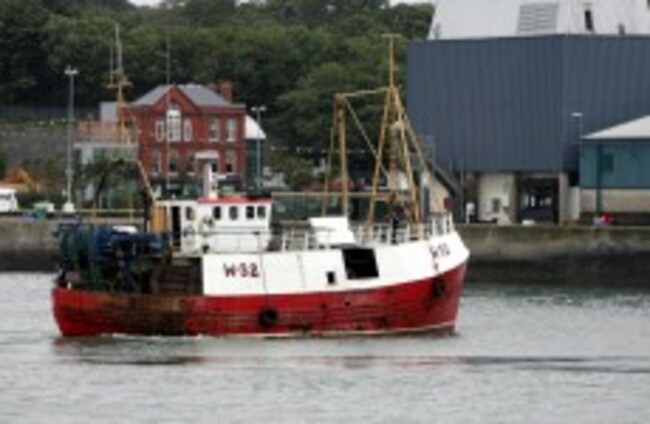
EU MINISTERS HAVE this morning concluded their talks on fish quotas for 2013, with Minister for Agriculture, Food and the Marine Simon Coveney “pleased that we have secured a good deal”.
After two days of talks, it was agreed that there will be 216,300 tonnes of fish quotas for Irish fishermen in 2013.
This included a six per cent increase in the amount of prawns which could be caught, while quotas for whitefish were maintained at 2012 levels.
Speaking following the conclusion of talks at 7am this morning, Coveney said that the “result achieved is a good deal for the Irish fishing industry”.
We have secured increases from last year for key stocks including increased prawn quota in all areas totalling 8,733 tonnes and an increased whiting quota in the Celtic Sea amounting to 6,812 tonnes. The package of quotas secured today will support the economies of those coastal communities which are dependent on the resulting employment created both at sea and in onshore related industries.
The news wasn’t all positive for Irish fishermen, however. The quotas for cod and sole dropped, along with a reduction in the haddock quota of 15 per cent.
While a 63 per cent increase in the quota for blue whiting was agreed (a new total of 13,105 tonnes), final numbers for this, along with mackerel and horse mackerel will not be known until the New Year, after the EU/Norway Fisheries Agreement is completed.
The main changes, by geographical location, were as follows:
The Irish Sea
The Celtic Sea
The North West
Responding to this morning’s announcement, the CEO of the Irish Fish Producers’ Organisation (IFPO), Francis O’Donnell, told TheJournal.ie that the “difficult and protracted” talks had produced a mixed bag for Irish fishermen, the impact of which would largely depend on their fishing area and catch type.
In relation to concerns related to over-fishing, O’Donnell said that it was “in no-ones best interests to over-fish” and that fishermen had, for example, “reduced the levels of juvenile cod being caught to just five per cent, at a huge expense to themselves.”

To embed this post, copy the code below on your site










have your say