Sign in. It’s quick, free and it’s up to you.
An account is an optional way to support the work we do. Find out more.
Sign in. It’s quick, free and it’s up to you.
An account is an optional way to support the work we do. Find out more.

ONE OF THE biggest challenges posed by the so-called Islamic State is just how well funded the group is. Also known as ISIL, the ISIS, or Daesh, the group pulls in hundreds of millions of dollars annually.
A report assessing the UK’s risk of money laundering and terrorist financing released by the government earlier this year spells out clearly just how groups like Islamic State, Al Qaeda, Al Shabaab, and Boko Haram raise the money needed to operate a terrorist group.
We’ve rounded up the ways terrorists finance their activities below, drawing on the report and other investigations, and ordered them based on how profitable each activity is estimated to be.
One way terrorists can get funds is by scamming banks. The key dangers are fraud and complicit employees helping terrorists gain access to bank accounts and loans.
Fraudulent loan applications provide a key source of funds for jihadists wanting to travel to Syria to join the group, funding their journey. A recent New York Times report on the Paris terrorist attacks notes that one future jihadist got €15,000 from ING Belgium.
The UK government report adds: “The use of the banking sector by terrorists remains a threat, in particular in the context of Syria. Individuals can use cash machines/ATMs to withdraw funds in neighbouring countries where there is a formal banking sector and then carry funds into Syria.”
There is also some evidence that the UK’s student-loan system has been abused to fund terrorism, according to the report. But it concludes that the banking system is only a “medium” risk — the funds raised through these means are comparatively low.
Islamic State has wasted no time in looting the heritage of the parts of Syria and Iraq under its control.
While the destruction of antiques and artefacts has generated more headlines,Unesco warned earlier this year that ISIS was looting antiques and artefacts on an “industrial scale.”
Many of these “blood antiques” are thought to end up on the market in London, one of the biggest international markets, according to The Guardian.
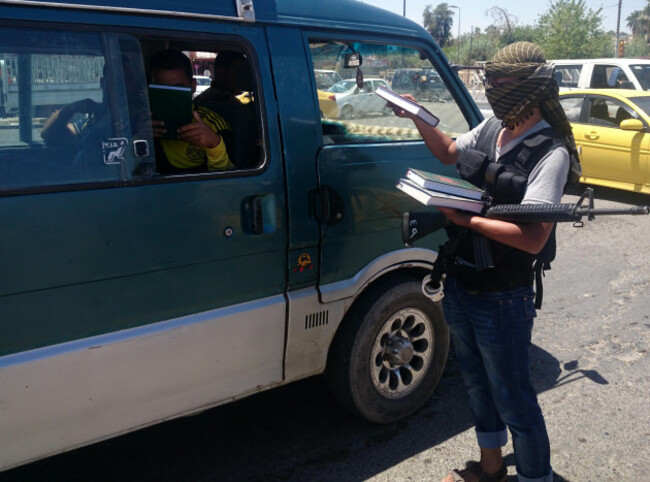
Terrorist organisations enjoy a stream of donations from supporters in countries around the world.
These can take the form of small operators collecting from local communities or, largely in the Gulf states, big-ticket donations.
“Private donations originating from the Gulf are a vital funding stream for AQ,” or Al Qaeda, “and AQ affiliated groups,” according to the report.
In the case of small operators, the report notes that there are some instances of fundraisers abusing the charity sector. In one case in 2013, two men were convicted of “fraudulently presenting themselves as charity fundraisers using high visibility vests and collection buckets bearing the name of the charity Muslim Aid.”
Once raised, donations are passed to a network of facilitators who move the money to terrorist groups without detection.
They do this by making a series of small transfers at money-transfer shops, small enough to not need identification documents, or by using cash couriers who take the funds across borders.
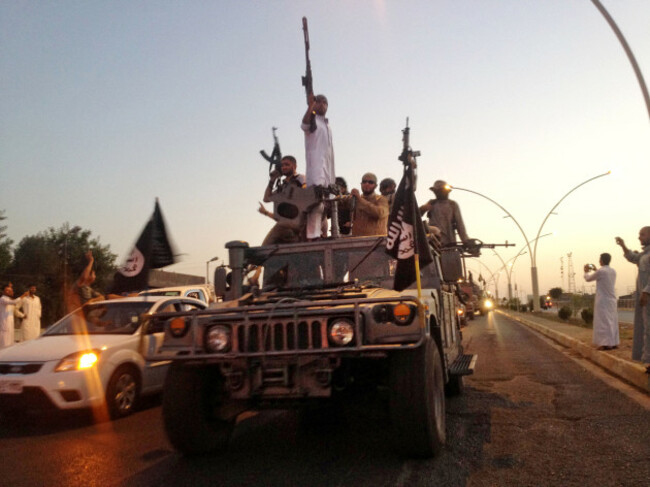
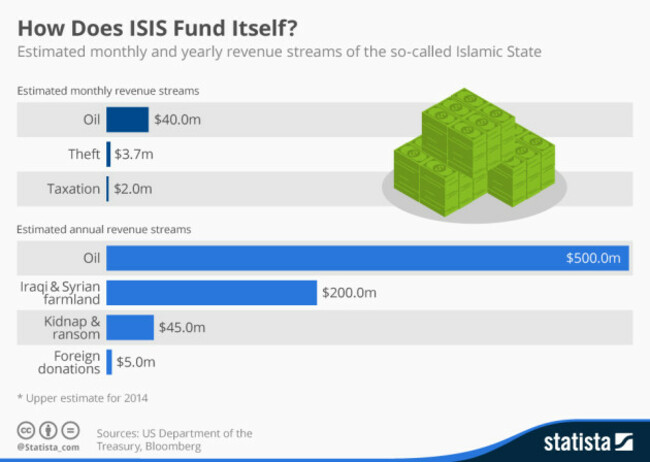
The UK government’s report estimates that the so-called Islamic State raised an estimated $35 million to $45 million from September 2013 to September 2014 through ransoming hostages.
Al Qaeda is even more prolific in this area, raising at least $125 million from kidnappings since 2008, including $66 million just in 2013,according to The New York Times.
Britain and the US have a strict policy of not paying ransoms to terrorist groups, but other European nations have paid up, leading The New York Times to conclude last year that“Europe has become an inadvertent underwriter of Al Qaeda.”
A big advantage Islamic State has over other groups is its access to oil. The group has taken control of existing fields in Syria and Iraq and is exporting its oil via Turkey.
A recent Financial Times investigation into the terrorist group’s oil-trading operation found “a sprawling operation almost akin to a state oil company” that employs engineers, trainers, and managers.
The group is believed to be making an estimated $50 million a month from this trade, equivalent to $600 million a year.
Britain has made disrupting ISIS’ oil trade a key priority of its recently launched bombing campaign in Syria.
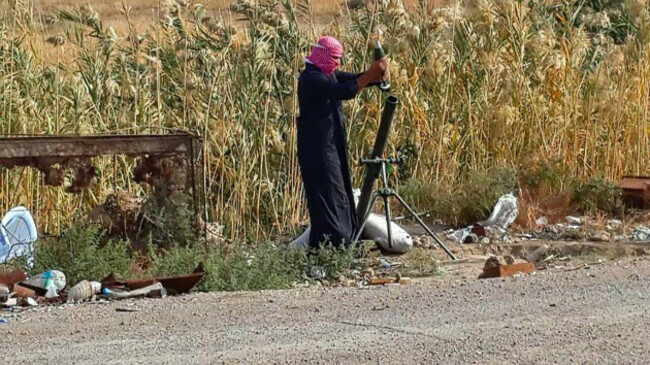
As well as oil, control of territory gives these terrorists access to another revenue stream other groups don’t have: taxation.
The so-called Islamic State is thought to make as much as $900 million a year from residents and businessmen in its territory, according to a recent New York Times investigation. It charges import taxes, rent for businesses, fines for breaking laws, utility bills, and income tax.
Taxation is thought to be the group’s main source of revenue.

To embed this post, copy the code below on your site















have your say