We need your help now

Support from readers like you keeps The Journal open.

You are visiting us because we have something you value. Independent, unbiased news that tells the truth. Advertising revenue goes some way to support our mission, but this year it has not been enough.

If you've seen value in our reporting, please contribute what you can, so we can continue to produce accurate and meaningful journalism. For everyone who needs it.

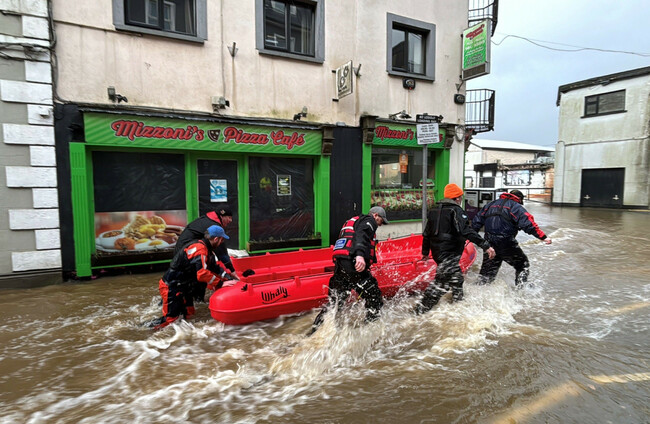
Members of Slaney Search and Rescue working in floodwater in Enniscorthy, Co Wexford, on Tuesday Alamy

Joanna Donnelly: Met Éireann does have discretion to issue warnings based on impact, not numbers

Ireland’s Meteorological Service has come in for some criticism this week in the wake of Storm Chandra.

FORMER MET ÉIREANN forecaster Joanna Donnelly says weather warnings should be determined by predicted impact, rather than rainfall or windspeed thresholds.

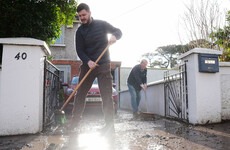
Locals in parts of Dublin experienced severe flooding this week, but had little warning, as none were issued by Met Éireann.

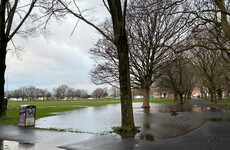
The Dodder River overflowed and closed roads, and cars were left stranded across Rathfarnham, Sandyford, Nutgrove and Rathgar. Sections of the M50 were also shut on Tuesday due to floodwaters.

Meanwhile, warnings issued for other counties did not detail the potential disastrous impacts of Storm Chandra.

The high winds and heavy rains have left many communities with homes and businesses in dire straits after flooding, leading Housing Minister James Browne to accuse Met Éireann of ‘withholding information’.

Speaking on South East Radio, he said: “I think more needs to be done on the communication side of it from Met Éireann, and I’m really frustrated that some state agencies seem to think that it’s, you know, their duty to somehow withhold information.

“I’m a great believer in information should be out there.”

However, Social Democrats TD Jennifer Whitmore said his remarks were an “attempt to evade responsibility”.

A Met Éireann forecaster told The Journal that the forecasting didn’t go far enough this week because it was a decision to enact warnings based solely on the level of rainfall and did not account for how wet the ground already was before a storm arrived.

For example, when mean winds are expected to be above 55km/h but below 65km/h, a Status Yellow wind warning is considered.

Similarly, a Status Yellow rain warning is chosen if rainfall is expected to be 30mm-40mm in 12 hours or less, or 30mm-50mm in 24 hours.

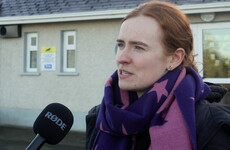
Joanna Donnelly, a meteorologist and weathercaster who worked for Met Éireann for three decades before leaving last year, told The Journal that this week’s events show the need for a pivot in how warnings are decided. 

“A forecaster has discretion to issue a higher threshold warning even though the wind speeds might not necessarily be expected, based on the impact the wind may have. This is referred to as impact based forecasting,” she explained.

Even though Met Éireann still operates a threshold based warning system, she said, there is an understanding that impacts are to be accounted for.

“This covers timing. Is the event to take place during rush hour, for example, or during the St Patrick’s Day Parade or Electric Picnic?

“It also covers conditions. For example, are the trees in full leaf, is the event following shortly on the back of a previous storm, are ESB crews still out clearing up?”

The UK Met Office uses an impact-based system for its warnings, which takes into account many variables.

While Met Éireann states in relation to its warnings that there are “impact considerations”, it appears that the warnings issued for Tuesday either did not take them into account or did not believe they were sufficient to increase warning levels.

It didn’t account for river levels or the amount of rainfall in the previous days or weeks.

Donnelly said it’s time to implement a full impact-based forecasting system and only use thresholds as guidelines.

She also said that specialist flood forecasters, which Met Éireann employs, should be the ones informing the public and answering the media’s questions during storms like this, rather than a general forecaster.

“A good forecaster looking more closely at impacts would certainly have been more likely to have caught the situation that unfolded this week.

“I believe that didn’t happen because of the constraints placed on forecasters”, Donnelly said.

There have been calls this week for greater political and stakeholder efforts to bring Ireland’s weather and flood warning systems up to international best practice levels

Readers like you are keeping these stories free for everyone...
A mix of advertising and supporting contributions helps keep paywalls away from valuable information like this article. Over 5,000 readers like you have already stepped up and support us with a monthly payment or a once-off donation.

Close
14 Comments
This is YOUR comments community. Stay civil, stay constructive, stay on topic. Please familiarise yourself with our comments policy here before taking part.
Leave a Comment
    Submit a report
    Please help us understand how this comment violates our community guidelines.
    Thank you for the feedback
    Your feedback has been sent to our team for review.

    Leave a commentcancel

     
    JournalTv
    News in 60 seconds