We need your help now

Support from readers like you keeps The Journal open.

You are visiting us because we have something you value. Independent, unbiased news that tells the truth. Advertising revenue goes some way to support our mission, but this year it has not been enough.

If you've seen value in our reporting, please contribute what you can, so we can continue to produce accurate and meaningful journalism. For everyone who needs it.

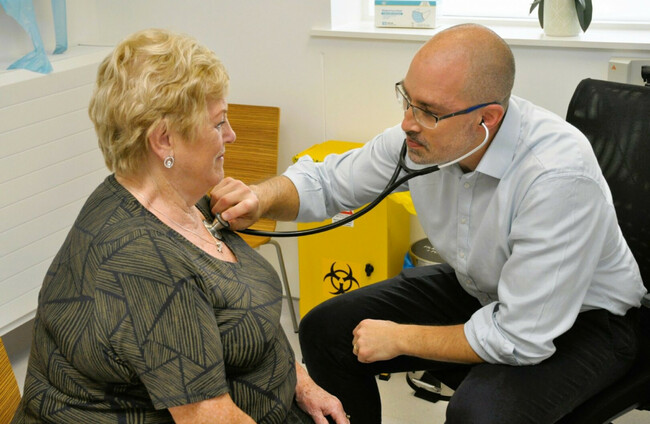
New research looked at how attitudes influence the management of obesity in Ireland. European Association for the Study of Obesity

'Don't manage the disease alone': Irish people with obesity wait years before seeking health help

Stigma and outdated beliefs are holding people back from accessing treatment.

IRISH PEOPLE WITH obesity wait an average of eight years from first becoming concerned about their weight before talking to a healthcare professional about it, delaying access to care.

That’s the finding of a new study in the journal Obesity Pillars, which found the problem compounds the long wait times for specialised obesity care – and is exacerbated by healthcare professionals’ reluctance to initiate conversations about weight with patients.

They tend not to open those conversations until patients are already suffering complications of obesity, such as diabetes, the research found.

Almost one in three Irish adults has obesity.

Obesity is now understood to be a chronic disease, but this research indicated outdated beliefs about the condition persist in Ireland and may hold people back from accessing treatment.

In particular, the vast majority of over 500 people with obesity who took the study’s online survey felt they themselves were solely responsible for weight loss.

Fiona Curran, a postdoctoral researcher at UCD who led the research, said people with obesity should not feel they have to manage the disease alone.

“If you have gained weight and it’s beginning to impact your health, physically or psychologically, seek support,” Curran said.

“If you have an internal voice that tells you that you should be able to do this alone, or that you don’t need or deserve treatment, that’s not true, and it’s not your fault. That’s the effect of weight stigma and internalising bias from society and healthcare in past generations.”

The research found healthcare professionals, by contrast, generally believed responsibility for improving obesity outcomes lay with health professionals, government and the food industry.

‘Generic lifestyle advice’

Of 159 healthcare professionals surveyed – dietitians, doctors, nurses and others – just one in five had completed more than five hours training in obesity and weight management.

Less than half indicated they routinely discuss weight management or the impact of weight during appointments with people with obesity. 

The researchers found that while healthcare workers recognised obesity as a chronic disease, this has not yet translated to substantial changes in practice.

Healthcare professionals were far less likely to refer people with obesity to specialists or to discuss treatments such as prescription medication or bariatric surgery than they were to dole out “generic lifestyle advice”, such as reducing calories or taking more exercise.

Curran said it is well established that the chronic, relapsing nature of obesity means once the disease has emerged, generic lifestyle interventions are not enough.

The study also found few healthcare professionals routinely referred patients for psychological support, despite one third of people with obesity reporting anxiety or depression.

Curran said obesity care has changed and healthcare professionals need to upskill, becoming more aware of obesity stigma and bias, and developing appropriate communication skills. 

“Outcomes would be better if people received treatment earlier,” Curran said.

Treatment or management starts with empathetic, blame-free conversation and then follows with evidence-based treatment.”

Weight bias

She added that she was shocked that almost a third of healthcare professionals surveyed believed experiences of weight bias could motivate people to lose weight. Curran said this is “almost never” the case.

“If somebody is shamed into a weight-loss strategy, that’s not going to work in the long term.

When communication is compassionate and collaborative, people feel heard and supported, and that improves motivation and strengthens the therapeutic relationship.”

Curran is currently developing an obesity stigma education project for healthcare professionals which will be rolled out by the HSE in the new year.

Readers like you are keeping these stories free for everyone...
A mix of advertising and supporting contributions helps keep paywalls away from valuable information like this article. Over 5,000 readers like you have already stepped up and support us with a monthly payment or a once-off donation.

Close
JournalTv
News in 60 seconds