We need your help now

Support from readers like you keeps The Journal open.

You are visiting us because we have something you value. Independent, unbiased news that tells the truth. Advertising revenue goes some way to support our mission, but this year it has not been enough.

If you've seen value in our reporting, please contribute what you can, so we can continue to produce accurate and meaningful journalism. For everyone who needs it.

Schools can now tell the Department of Education if they would like to make changes based on the survey results. Rollingnews.ie

Over 73% of households with kids in single-sex schools want co-education, survey finds

Over 240,000 households in Ireland were asked what they want primary schools to look like in the future.

OVER 73% OF households with children in single-sex primary schools would like the school to change to a co-education format, according to a new survey from the Department of Education. 

Households with children currently in primary schools, as well as those with children soon to begin school, were asked what they want primary schools to look like in the future.

The survey included answers from over 240,000 households and aimed to establish preferences on school patronage and ethos, co-educational or single-sex provision and teaching language. Over 32,000 staff were also surveyed.

The 3,000 schools can now tell the Department if they would like to make changes to their configuration based on the survey results.

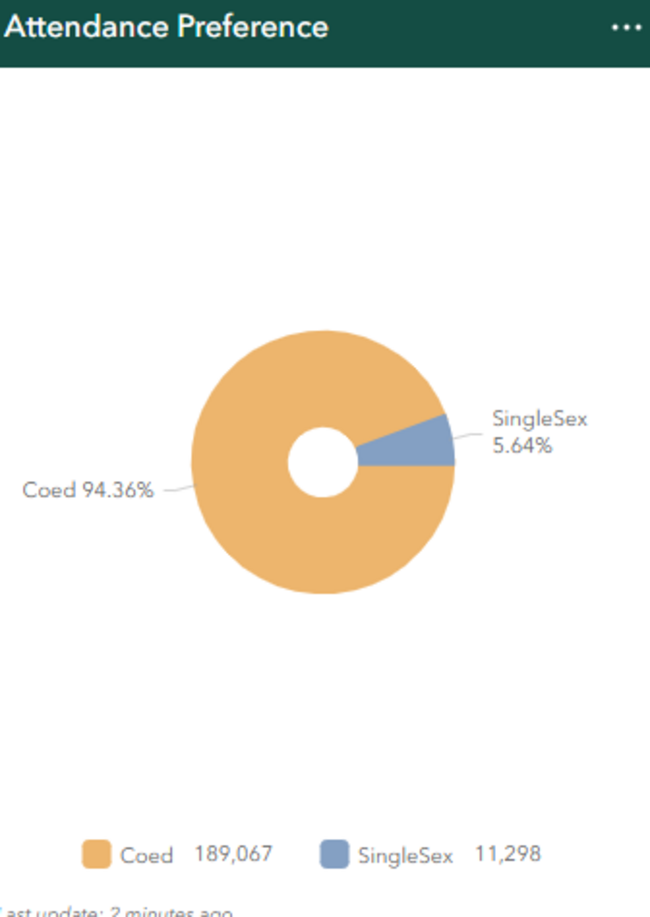
Around 13% of primary schools in Ireland are currently single-sex, however, the results suggest the majority of households with kids in these schools would like change.

Overall, over 94% of all households surveyed, including those who are already linked to a co-educational school, indicated a preference for co-education over single-sex.

A large majority (94%) of school staff also indicated a preference for co-education.

PastedImage-53238 Dept. of Education Dept. of Education

Religion

Another major finding of the survey was that over 40% of households with a child who is currently attending, or is likely to attend, a denominational school, would like the school to become multi-denominational. 

The figure was similar (42%) for parents who intend to send a child to a denominational school but who would prefer it to be multi-denominational. 

Overall, Catholic schools accounted for 88% of the schools in which a household currently had a child attending school, a total of 145,702 households. 

By comparison, the next highest ethos was multi-denominational at 8.4% (12,179 households) and then Church of Ireland at 2.6% (3,857 households). 

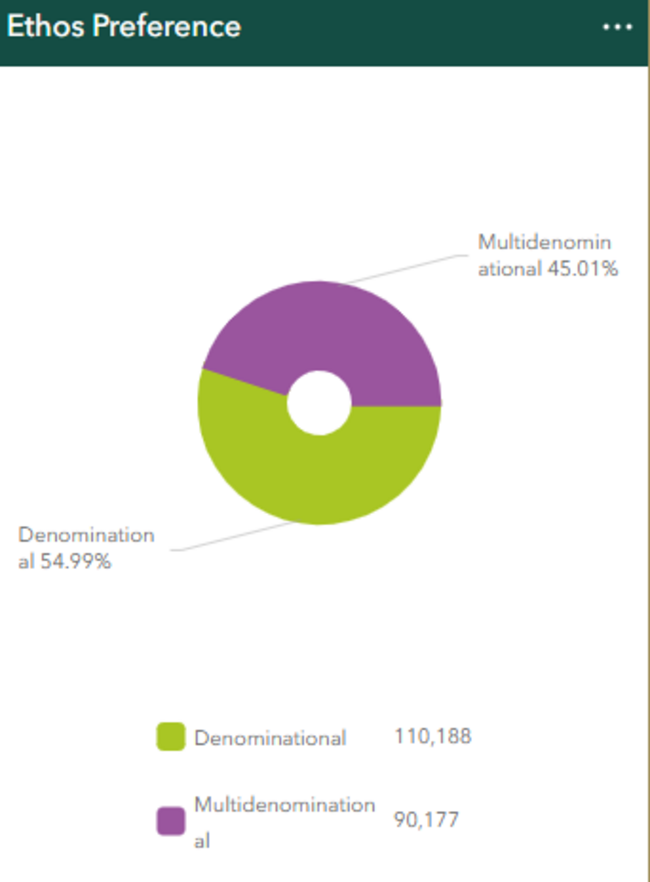
However, when considering all households with a child in school, the preference for denominational education (55%) was around 10 percentage points higher than multi-denominational (45%). 

PastedImage-37395 Dept. of Education Dept. of Education

The figure of 44% does contrast with the current availability of multi-denominational schools, which based on the survey response is about 8.4%.  

The survey also suggested denominational education is popular amongst staff, with over 65% of expressing a preference for it.

Language

Households were also asked if they would like the language their child is taught through to change.

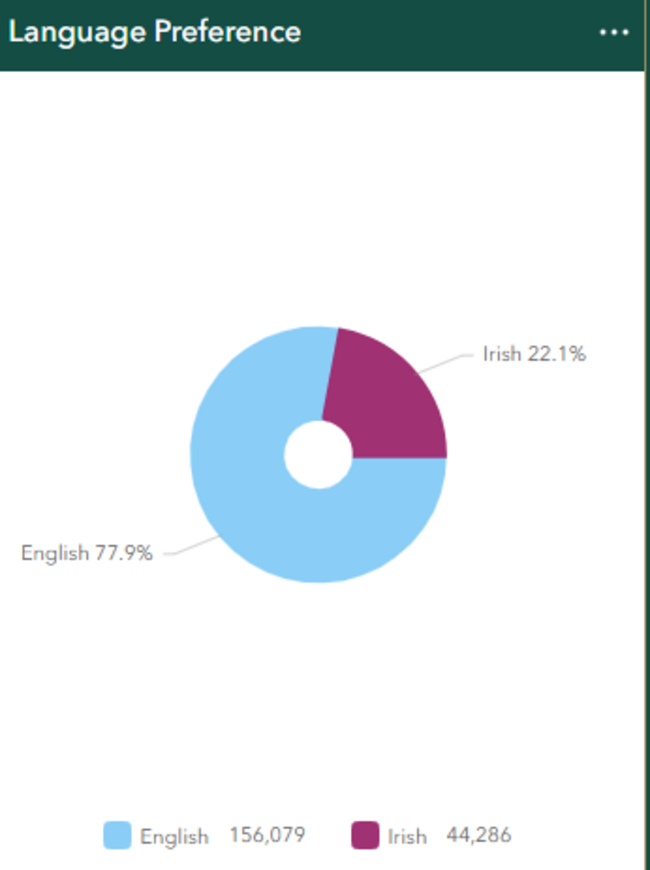
Only around 13% of households with children linked to English-taught schools wanted change, which corresponded to the 13% of staff who wanted change.

However, the findings suggest households with children linked to Irish-taught schools are happy with the offering, as over 89% said they wanted the school to continue to teach through Irish. 

PastedImage-62896 Dept. of Education Dept. of Education

The full breakdown of data indicating the preferences of households in each school surveyed is now available online.

Schools have until the end of September to engage with households, staff and the local community around making changes to their configuration based on the survey findings.

If the community would like to be in the first group of schools to make changes, they can bring the plan to the board of management of the school and inform the Department by 31 October.

The Department will then help schools decide on the next steps to make the transition.

The first changes are expected to be seen in schools from September 2027.

Education minister Hildegarde Naughton said the results offer a “detailed picture”, for the first time, around what parents want primary schools to look like.

“The next stage is for school communities to come together to reflect on the results, discuss what they mean locally and consider the opportunities they present,” she said.

“I want every school community to have the time and space to engage openly, respectfully and constructively with these findings before any decisions are made. This is about listening to local voices and ensuring that future developments reflect the needs and wishes of families and communities.”

Readers like you are keeping these stories free for everyone...
A mix of advertising and supporting contributions helps keep paywalls away from valuable information like this article. Over 5,000 readers like you have already stepped up and support us with a monthly payment or a once-off donation.

View 24 comments
Close
24 Comments
This is YOUR comments community. Stay civil, stay constructive, stay on topic. Please familiarise yourself with our comments policy here before taking part.
Leave a Comment
    Submit a report
    Please help us understand how this comment violates our community guidelines.
    Thank you for the feedback
    Your feedback has been sent to our team for review.

    Leave a commentcancel

     
    JournalTv
    News in 60 seconds