Sign in. It’s quick, free and it’s up to you.
An account is an optional way to support the work we do. Find out more.
Sign in. It’s quick, free and it’s up to you.
An account is an optional way to support the work we do. Find out more.
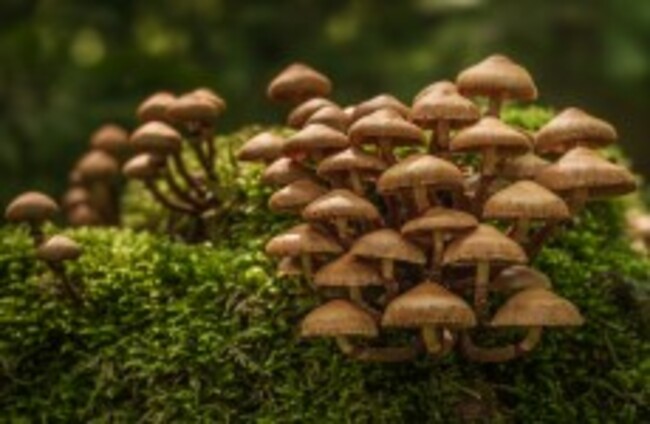
THERE HAS BEEN a stark increase in the number of people being poisoned by wild mushrooms this year.
So far this year, 18 cases have been notified to the National Poisons Information Centre of Ireland – 7 adults and 12 children.
Poisonous
This is a significant increase, as last year, there were 19 cases in total for the entire year.
There are 14 native species of mushrooms growing in Ireland that can cause food poisoning and a further 13 species that are highly dangerous and can cause hepatic and renal toxicity and ultimately, can be life threatening.
The Food Safety Authority of Ireland (FSAI) has issued a warning, strongly advising people not to eat any part of a mushroom found in the wild without first seeking the advice of an expert mushroom forager.
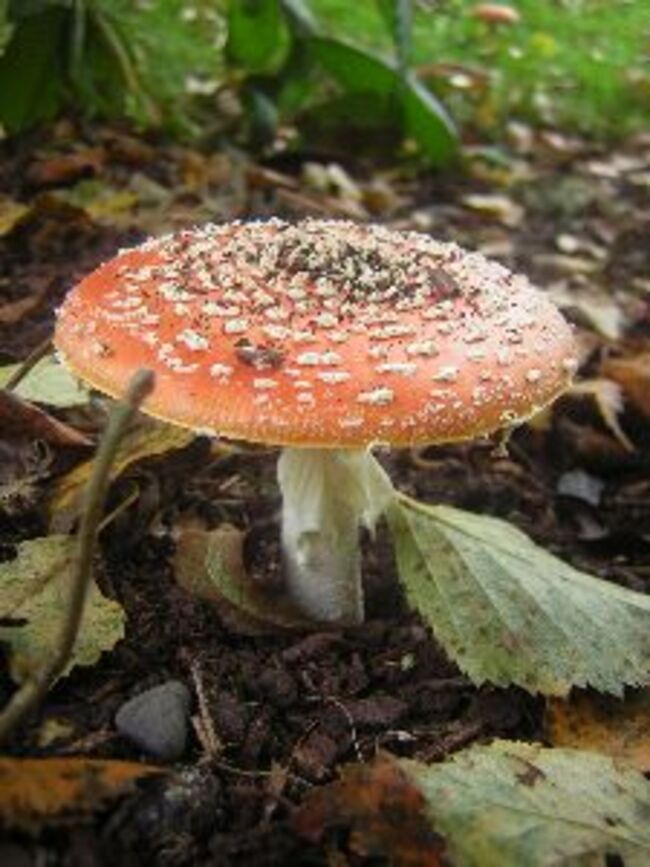
The Fly Agaric (pictured above) is one mushroom that is easily recognisable, and is poisonous, causing nausea, vomiting, muscle in-coordination, dizziness, drowsiness and confusion if eaten.
Reaction
However, others look fairly harmless, like the Ink Cap (pictured below). These look similar to ones you might find in the supermarket, but this mushroom contains Coprine, a chemical that can react with alcohol.
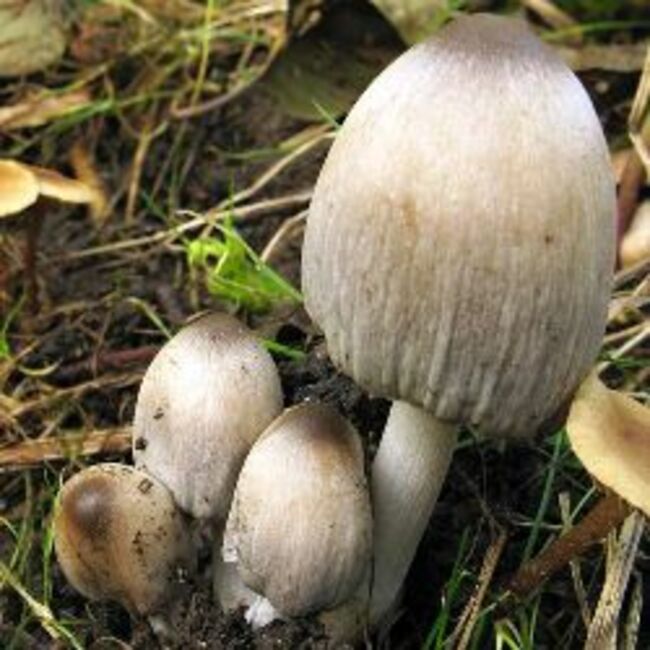
If alcohol is taken at the same time, a few hours before, or even a few days after eating this mushroom, then signs of poisoning can occur. There may be nausea, vomiting, flushing, dizziness, headache, weakness, collapse, a drop in blood pressure, and an increase in heart rate.
The FSAI state that websites and books showing pictures of mushrooms are not sufficient to identify safe mushrooms and do not recommend people to solely rely on these to determine the safety of a wild mushroom,
Child safety
They warn of the serious risks associated with eating poisonous mushrooms. The authority also warns parents to be extra vigilant with their children and to ensure that they do not consume wild mushrooms that may be growing in gardens or fields.
Director of Consumer Protection of the FSAI, Ray Ellard, said:
The high number of cases involving children in particular points to the need for parents and guardians to be vigilant and to teach children not to eat wild mushrooms. We’re advising parents and guardians to specifically watch children who may be playing in gardens or fields where wild mushrooms could be growing in case they occidentally eat a poisonous mushroom.
He said that it was important for people to remember that cooking does not make these mushrooms safe as it does not kill the toxins.
“Eating a wild poisonous mushroom, raw or cooked, can result in people becoming very ill with symptoms such as nausea, vomiting and diarrhoea and, in some cases, it can result in liver failure,” added Ellard.

To embed this post, copy the code below on your site












have your say