Sign in. It’s quick, free and it’s up to you.
An account is an optional way to support the work we do. Find out more.
Sign in. It’s quick, free and it’s up to you.
An account is an optional way to support the work we do. Find out more.
THE WORDS ‘PREFABRICATED concrete’ might just send a shiver down your spine if you grew up in 1960s Ireland.
From hospitals to schools to the US consulate, Ireland’s love affair with prefab was long and often unjustified.
But here are some folks in Puerto Rico – showing us how prefab should be done.
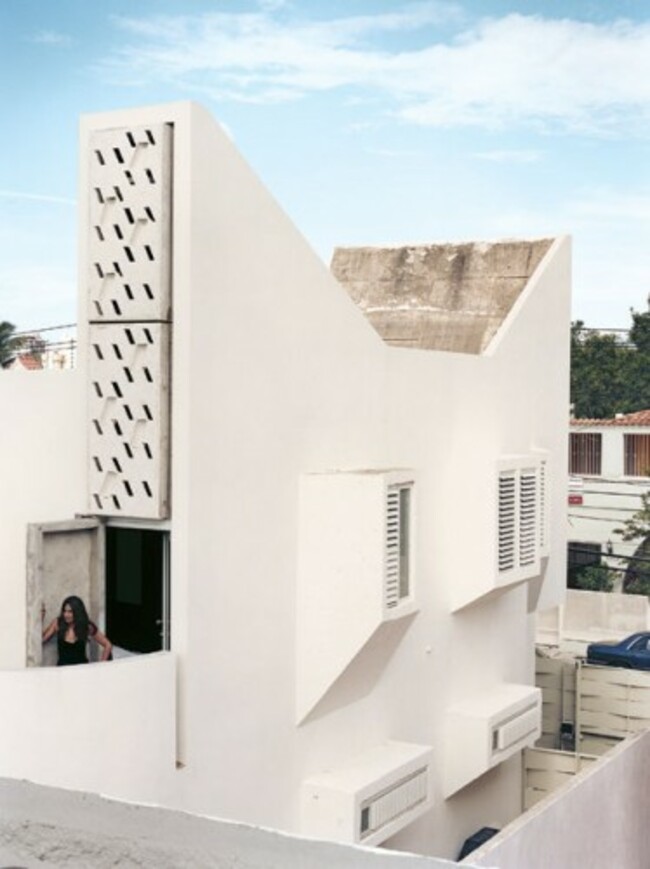
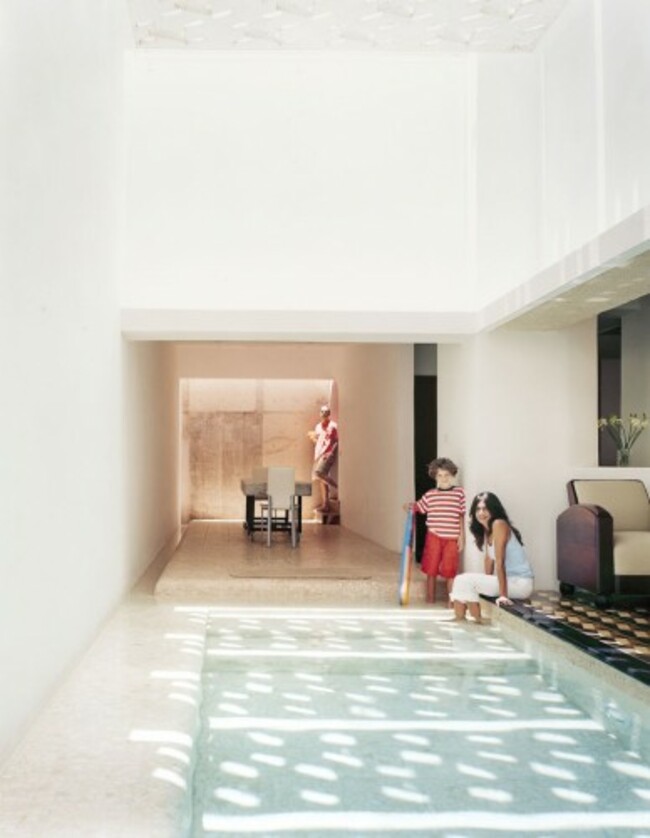
Architect Nataniel Fuster rebuilt this house in Puerto Rico to take advantage both of the light and its play on the property throughout the day and also the occasional rain that falls in torrents during tropical showers.
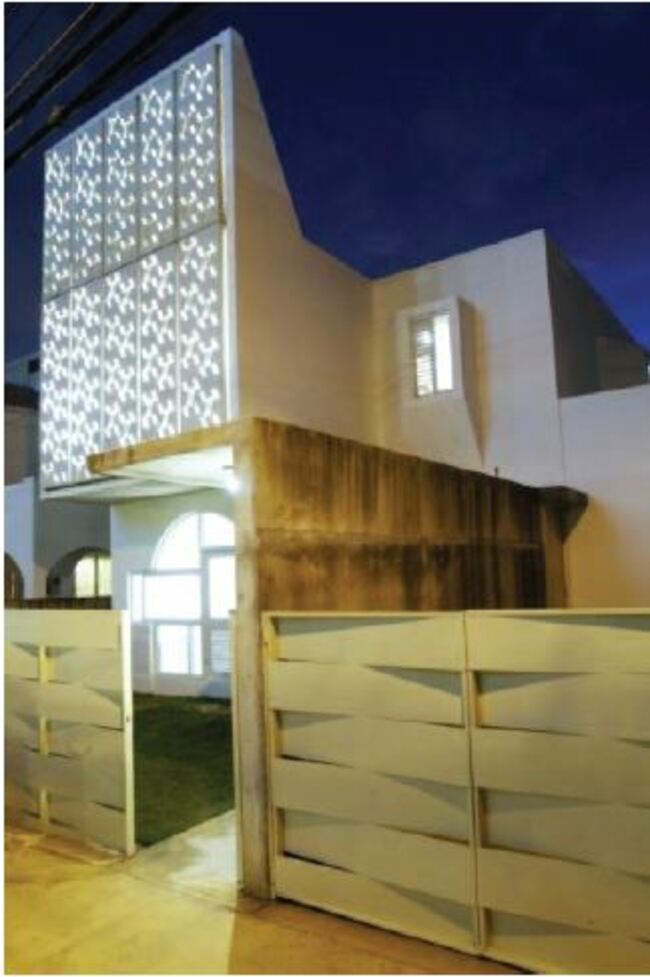
Originally a labyrinthian house built in the 1940s with little regard for its tropical setting and Puerto Rican heritage, there was plenty of yard-space but the interiors were dark and uninviting.
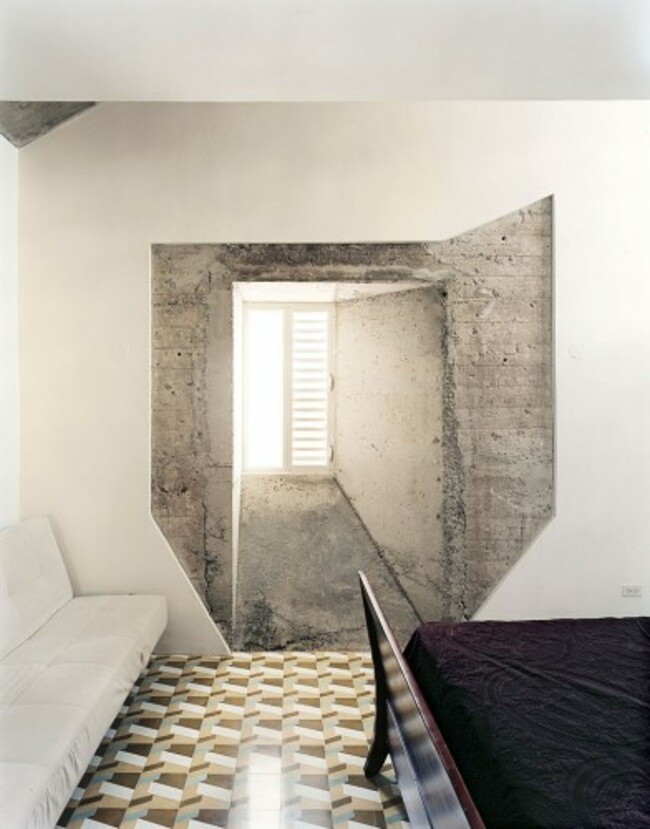
The owners wanted to reflect the Puerto Rican architectural heritage as well as re-design the interior space with more light and continuity throughout.
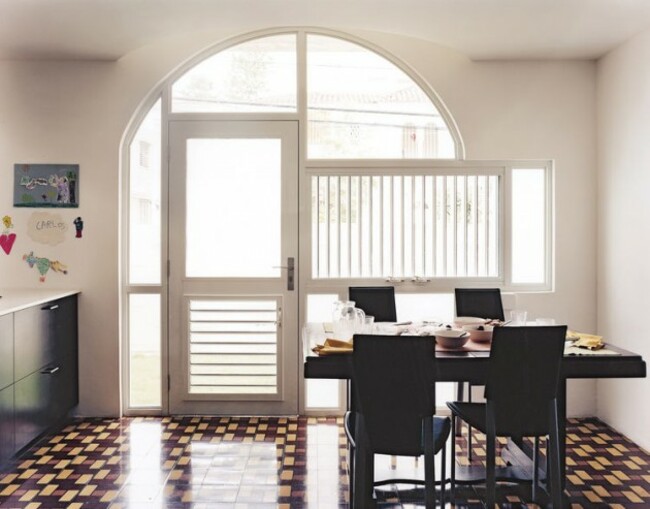
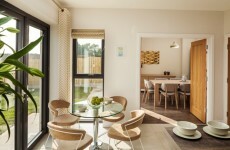
Intrinsic to the new layout was moving the kitchen to the noisier part of the house at the front and rearranging the living spaces towards the back. There are no doors or screens throughout the ground floor, allowing the air to circulate freely and removing the need for air-conditioning, quite a feat in this tropical climate.
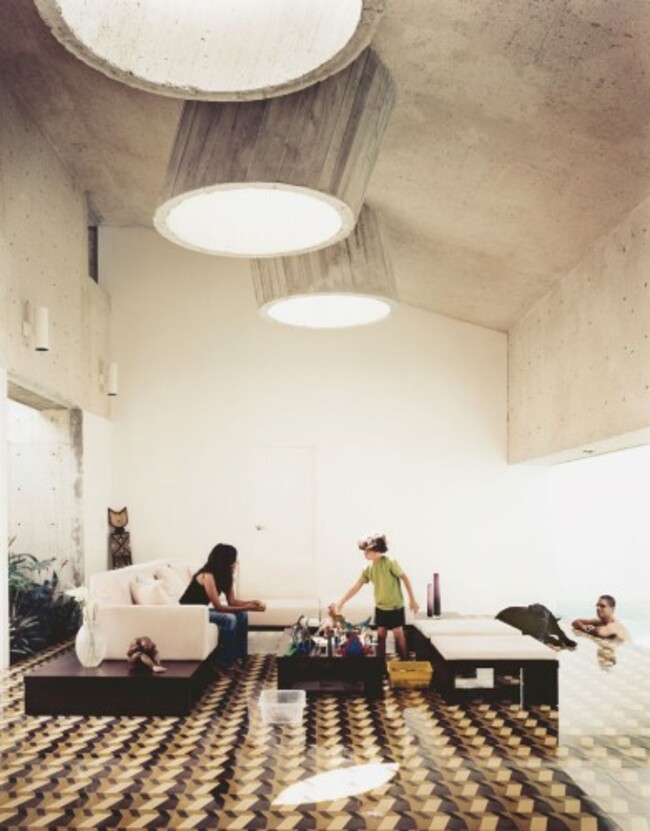
The are three skylights cast into the concrete ceiling panels – two facing east and one west, so that both the morning sun and afternoon light are captured throughout the day.
The pièce de résistance has got to be the eleven pre-fabricated concrete ceiling panels, which have been perforated to allow light to filter through them and create shimmering patterns throughout the property and over the pool during the day.
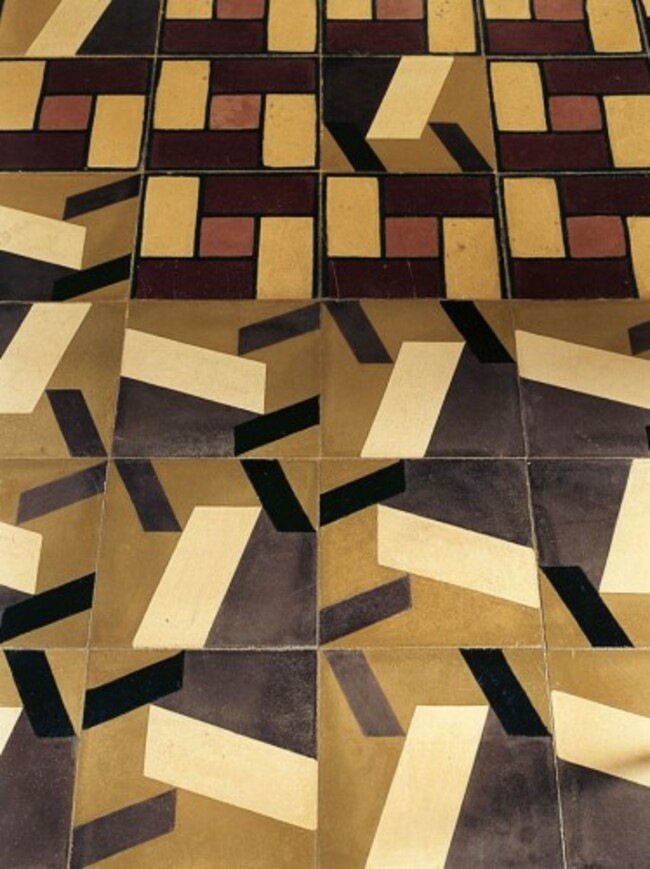
It certainly wasn’t a case of ‘out with the old’ as the original geometric patterned floor tiles were maintained throughout.

To embed this post, copy the code below on your site







have your say