Sign in. It’s quick, free and it’s up to you.
An account is an optional way to support the work we do. Find out more.
Sign in. It’s quick, free and it’s up to you.
An account is an optional way to support the work we do. Find out more.
THINGS MOVE QUICKLY in the property world, and sometimes it can be hard to keep abreast of the stories that matter. We’re here to help. Every Friday, we collect five of the week’s biggest property stories, so you can catch up in one fell swoop.
Here’s what’s been going on this week, from a new Dublin office block to an update on the Irish economy…
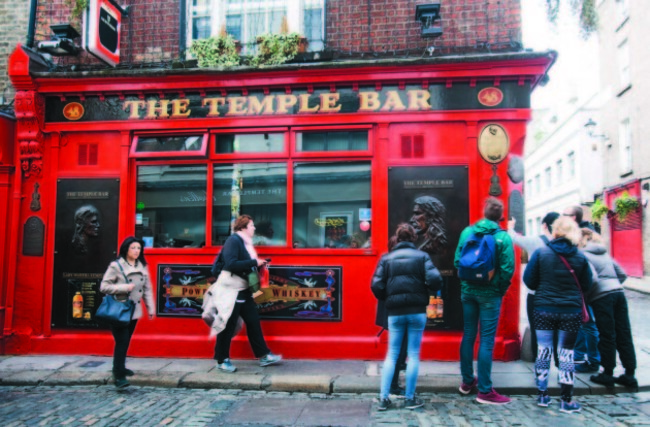
It was a “duplicitous volte face” that prevented Temple Bar from becoming the city’s main transport hub back in the 1980s. The plan had been around for over a decade prior, with CIE buying up numerous properties in the proposed area.
However, an about face by the then-government led to a scrapping of the plan, and a vigorous redevelopment of the area by the incoming Fianna Fail cabinet led to the proposed transport hub becoming the city’s most famous tourist area instead.
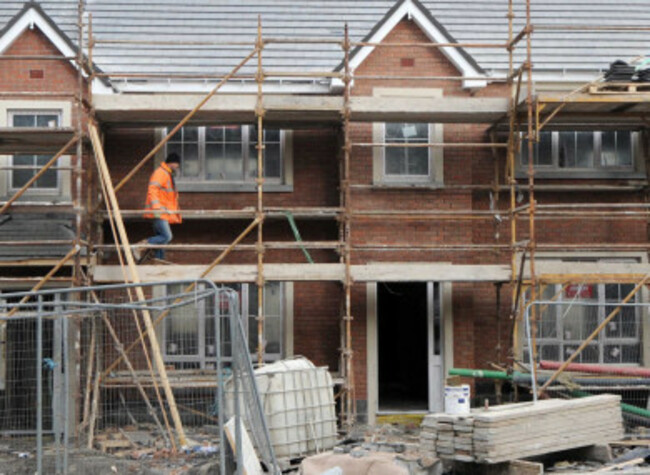
Ireland’s largest business representation group, IBEC, has forecast that the Irish economy will grow by 4.2% this year, and is moving out of its “recovery phase”. IBEC says that Ireland surpassed “many of the most important pre-crisis milestones” in 2017 and has hailed the economy as solid and growing.
It did, however, note the damage to competitiveness caused by the cost of renting in Dublin and beyond, addressing this as a “key challenge ahead for both business and the government”.
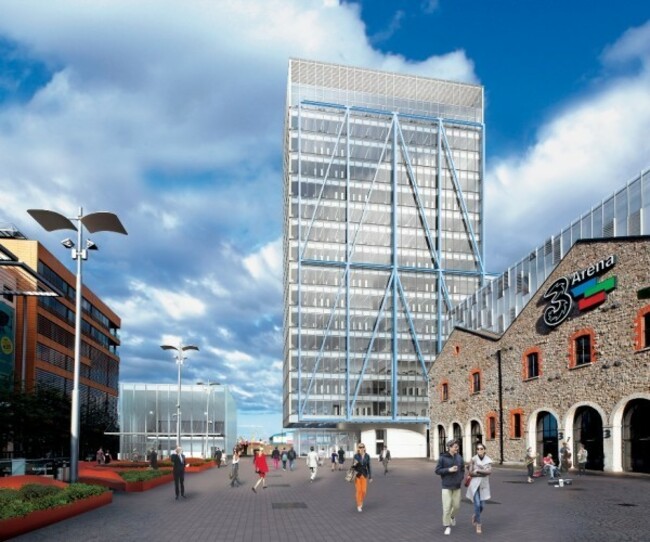
The site of Ireland’s future tallest office block has been purchased by a European property investment fund, with construction to begin at the end of the month. The acquisition of the Exo building was agreed at the end of 2017, though financial details have not been disclosed.
The 17-storey building is expected to cost about €80 million to build, and will be able to house 2,000 workers. Construction is due to be completed by 2020.
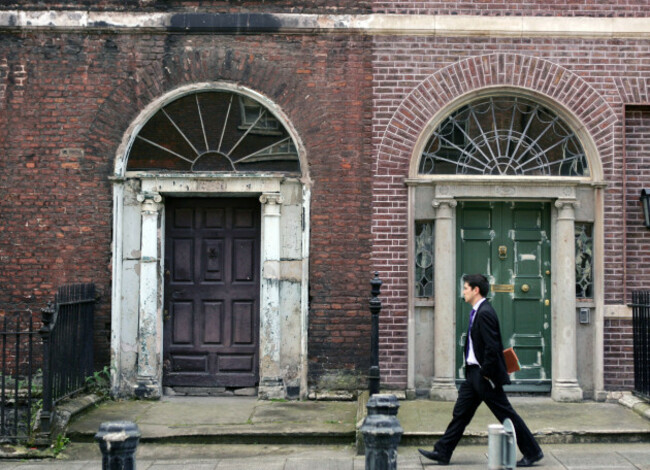
Goodbody stockbrokers has slammed the government’s response to the housing crisis, claiming that it “lacks urgency” on the issue. Goodbody’s chief economist Dermot O’Leary was discussing the recently-introduced levy on vacant sites, and said that it would “not be a silver bullet to unlock significant amounts of land for housing purposes.”
The levy was introduced to try and prevent the practice of land hoarding across the country, though concerns have been raised as to whether a 7% rate was high enough to deter landowners from the practice.
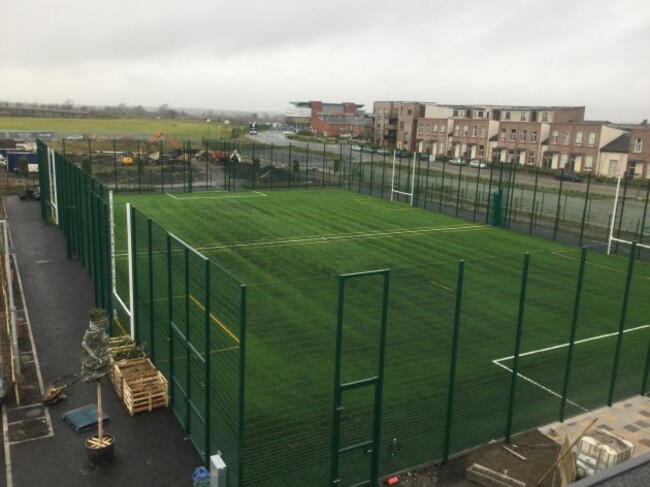
Adamstown, the first of the government’s Strategic Development Zones, is home to approximately 3,500 people – but the developer behind it all hopes that this number will shoot up in 2018. The town was intended to house 20,000 people, but building slowed and stopped during the crash years.
However, new builds in the area have rejuvenated it, with Castlethorn construction saying that sales have been “very strong” in recent months. It is hoped that this turnaround will continue, aided by €20 million in funding from the Local Infrastructure Housing Activation Fund.
We’re breaking down the complicated world of property jargon, one buzzword at a time. This week, it’s dormer bungalow. This is a bungalow with a window in its roof space, and a loft area. Dormer bungalows can often be described as having “one-and-a-half” stories.

To embed this post, copy the code below on your site









have your say