We need your help now

Support from readers like you keeps The Journal open.

You are visiting us because we have something you value. Independent, unbiased news that tells the truth. Advertising revenue goes some way to support our mission, but this year it has not been enough.

If you've seen value in our reporting, please contribute what you can, so we can continue to produce accurate and meaningful journalism. For everyone who needs it.

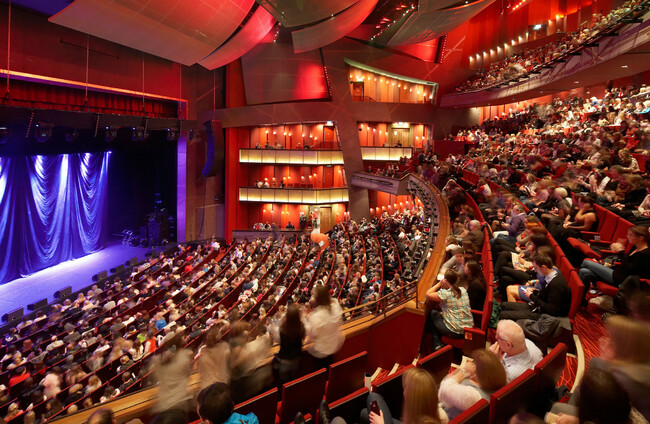
File photo of the Bord Gáis Energy Theatre in Dublin. Alamy Stock Photo

TD New adults had their teens interrupted by Covid. A free 'culture card' could be the remedy

Peter ‘Chap’ Cleere writes that new 18-year-olds should each be given €100 to spend as they choose on arts, culture or sports.

YOUNG PEOPLE TURNING 18 in 2026 have faced a very different set of challenges to earlier generations.

They were 12 when Covid-19 shut down their schools, leisure facilities and community centres. Their early teenage years were spent in and out of lockdown. Those of us who are parents, myself included, can recognise that our children’s worlds were vastly different to ours.

While we went to the cinema, the youth club, played team sports, and attended the occasional teen disco, our children spent their days on zoom classes, physically separated from their peers.

The lasting effect of this is more time spent on screens, less time socialising in person, increased isolation and loneliness.  

Recently in the Dáil, we heard a debate around the need for a youth culture card in Ireland. Minister for Culture Patrick O’Donovan confirmed his department officials were in the “preliminary stages” of reaching out to potential stakeholders and partners in relation to a Culture Card.

The introduction of such a card would be transformative. It would open our cultural landscape to a new generation.

The concept is simple; every young person turning 18 in a given year receives a card (digital or physical), pre-loaded with €100. The €100 can then be redeemed for tickets to live events, museums, art and music classes, or sports club membership.

The aim of the initiative is to make culture and sports more accessible to young people, thereby fostering positive habits for their adult life.

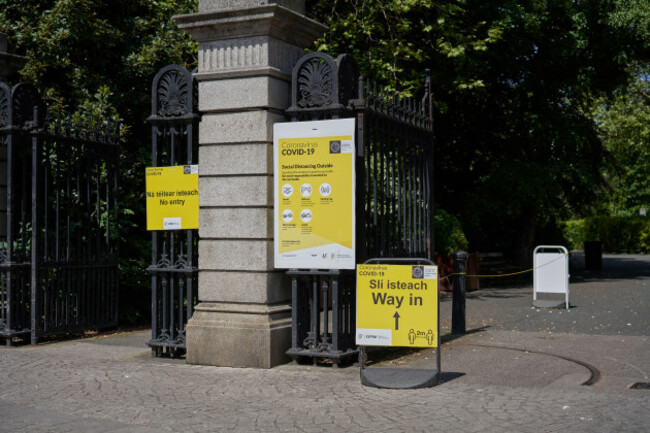
signs-instructing-the-public-during-coronavirus-pandemic-in-dublin-city-ireland Social distancing signs during the Covid-19 pandemic. Alamy Stock Photo Alamy Stock Photo

Of course, the card would come at a financial cost to the State, but this would be mostly offset. When young people attend events and engage in activities, they spend money not just on admission fees but also on transportation, food and merchandise. Local businesses would benefit significantly, creating a ripple effect that can help sustain jobs and stimulate economic growth.

More importantly, the benefits for the young person are immeasurable. Transitioning into adulthood can be a daunting experience, underscored by newfound responsibilities and the pressures of the modern world. We must provide our young adults with avenues to explore and express themselves creatively throughout their formative years.

The pandemic meant that many of us fell out of habit of going to live events. It is quite normal now for an 18-year-old to not have attended a play or music event since they were a child. One trip to theatre can spark a lifetime’s interest that will stay with them for the rest of their life.

A subsidised drama or art class could be just what a child in this space needs to open the door to positive changes. 

The cultural and sports card would serve as a bridge, connecting them to Ireland’s diverse landscape of cultural offerings. Whether it’s catching a local band at a community festival, or enjoying a play at the Gaiety Theatre, the card would enable young people to engage with the arts in meaningful ways. It would instil a sense of identity and belonging, allowing youth to discover their passions and align them with their personal narratives.

Then there are the physical health benefits to be gained, both direct and indirect. The card would create opportunities for young people to get involved in local sports clubs, improving their fitness. The card also provides an alternative to harmful teenage pursuits.

For example, Reykjavik’s Leisure Card, worth approximately €400 to the young person per annum, was brought in as part of a suite of measures to tackle teenage drinking. It has worked, rates of teen drinking and substance abuse have plummeted in Iceland, and Icelandic teens are now, on average, much healthier than previous generations.

There are also educational benefits for the young person. Participation in cultural activities has been found to enhance critical thinking skills, improve empathy, and a foster greater understanding of societal issues.

When young adults are given the tools to experience culture and sports early on, they are more likely to continue these practices throughout their lives. In years to come, fostering an appreciation for culture and sports will have a ripple effect, when these young people involve their families and friends in their newfound interests. This not only enhances their personal well-being but contributes to a more vibrant society.

The cultural card may sound too out there for some. But similar schemes already exist in France, Spain, Italy, Germany and Iceland.

Why should Ireland not take this step toward fostering a healthier, more engaged, and culturally rich society, like our neighbours have done?

As we move forward, let’s embrace this opportunity with optimism and collaboration. By investing in our young people today, we are nurturing a brighter, more vibrant future for all of Ireland.

It is time to unlock the doors of culture and sports for our youth, allowing them to explore, engage, and thrive in ways that will shape their identities and contribute to the tapestry of our nation.

Peter ‘Chap’ Cleere is a Fianna Fáil TD for Carlow Kilkenny and a member of the Oireachtas committee on culture and sport. He was previously manager of Kilkenny Senior Camogie and Carlow Senior Camogie.

Readers like you are keeping these stories free for everyone...
A mix of advertising and supporting contributions helps keep paywalls away from valuable information like this article. Over 5,000 readers like you have already stepped up and support us with a monthly payment or a once-off donation.

Close
40 Comments
This is YOUR comments community. Stay civil, stay constructive, stay on topic. Please familiarise yourself with our comments policy here before taking part.
Leave a Comment
    Submit a report
    Please help us understand how this comment violates our community guidelines.
    Thank you for the feedback
    Your feedback has been sent to our team for review.

    Leave a commentcancel

     
    JournalTv
    News in 60 seconds