We need your help now

Support from readers like you keeps The Journal open.

You are visiting us because we have something you value. Independent, unbiased news that tells the truth. Advertising revenue goes some way to support our mission, but this year it has not been enough.

If you've seen value in our reporting, please contribute what you can, so we can continue to produce accurate and meaningful journalism. For everyone who needs it.

Andrew Downes, XPOSURE

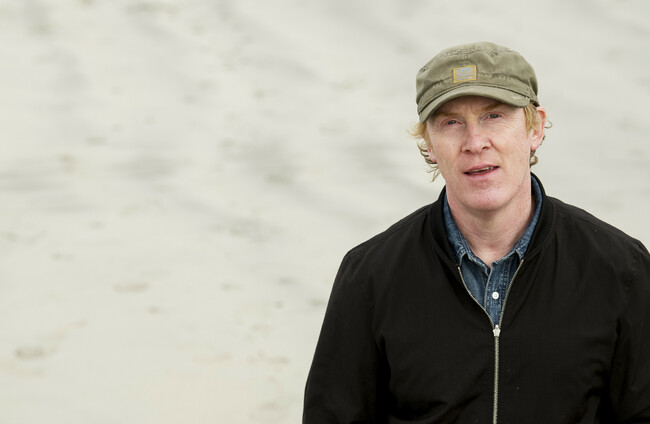
Hector Ó hEochagáin I was sent photos of the word 'loinnir' being tattooed on readers’ skin

In the introduction to his latest book, Hector shows his delight at how many people are re-introducing more than a cúpla focal into their every day.

TO BE SITTING here writing the introduction to my second book about Irish is surreal. It’s mad to think that I’m about to share more brilliant and enriching Irish words and phrases with you, and I’m so very proud that this language adventure continues.

The reaction to and love for The Irish Words You Should Know has been incredible. It was amazing to hear the words that caught people’s attention, like gafa (busy), scaití (sometimes) and ar bís (buzzing), but nothing could compare to the love you all had for loinnir. Someone got in touch to tell me they had christened their new boat in the Claddagh Loinnir, and I was sent photos of the word being tattooed on readers’ skin. Dochreidte! (Unreal!)

I think loinnir caught on because it does that thing the Irish language does so beautifully. It’s a word straight from nature – the glistening of the sun on the waves – that has been recycled to mean something social: the merry feeling you get after early pints.

I have more words like that for you in this book, ones like fonn, which means to be in the mood for something (fonn ort), but also to be able to pick up and play a tune (an bhfuil fonn agat?) – because the Irish language knows that our moods are the tunes of our bodies, and we dance to their rhythm.

Every word in every language is formed and forged from the landscape, and it’s in this landscape that it lives and breathes. Irish is a river that’s always flowing, and we just have to dip our toes in. We can hear its sruth (current) if we listen out for it: on the radio, in schools, in cafés and even in our own minds – if we open ourselves up to it.

Irish has blessed us with so many ways to say things. Each word is used exactly when it’s needed, spoken when the situation calls for it. So now I come to you with a word for every day of the year. I harvested them from anywhere and everywhere: words that popped into my head, words that I plucked from conversations, words I heard on TG4 or on Raidió na Gaeltachta and words that came to me from the landscape. At the beginning of the project, I bought a small,  ornate notebook in a shop fionnuar (cool) in Clifden and took it with me to Australia and New Zealand, where I was filming for the TG4 travel show in early 2025. I found myself. scribbling words like ollmhór (gigantic) and gráinnín gainimh (grain of sand) as we drove through some of the most remote places on the planet. Even in the outback of Australia, Irish was there waiting for me.

Now all these words have come together to fill the pages of this book, and I hope the stories I’ve written to describe them fill up your samhlaíocht (imagination) and help you feel their vibe. I want you to learn these words, to share them, engage with them and try to use them. That’s really the key here. There will be words that are new to you and, if you went to school in Ireland, words you already know but probably forgot about. Our language is rich and we can enjoy using the everyday words as much as we enjoy learning a fancy new one; tearmann (sanctuary) is no better or worse than bronntanas (present). We should give ourselves credit for the amount of Irish words we already know from school. There’s just something inside that stops us, an embarrassment that we can’t string sentences together.

But this language is yours to use, no matter how much or little of it you know. Throwing a word or phrase as Gaeilge into your English-language conversations and texts is how we revive a language – one word at a time and one day at a time. We dole out the Spanish ‘siesta’ no problem when we want a little afternoon nap, so why not use sos beag (small break) instead?

I’m excited to find out which words from this book take flight, the words you name your boat after or get tattooed on your arm. So once again I say go raibh míle to this language of ours. It’s ready to greet you when you want to call in; all you have to do is walk up to the door and knock. Beidh fáilte romhat i gcónaí! (You will always be welcome!)

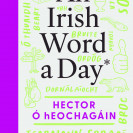
  • An Irish Word A Day, published by Gill Books, is nominated for Best Irish-Published Book, a category sponsored by The Journal in the An Post Irish Book Awards 2025.

Readers like you are keeping these stories free for everyone...
A mix of advertising and supporting contributions helps keep paywalls away from valuable information like this article. Over 5,000 readers like you have already stepped up and support us with a monthly payment or a once-off donation.

Close
13 Comments
This is YOUR comments community. Stay civil, stay constructive, stay on topic. Please familiarise yourself with our comments policy here before taking part.
Leave a Comment
    Submit a report
    Please help us understand how this comment violates our community guidelines.
    Thank you for the feedback
    Your feedback has been sent to our team for review.

    Leave a commentcancel

     
    JournalTv
    News in 60 seconds