We need your help now

Support from readers like you keeps The Journal open.

You are visiting us because we have something you value. Independent, unbiased news that tells the truth. Advertising revenue goes some way to support our mission, but this year it has not been enough.

If you've seen value in our reporting, please contribute what you can, so we can continue to produce accurate and meaningful journalism. For everyone who needs it.

Alamy Stock Photo

Seven ways to de-stress Our ancient human survival system is being overrun by modern life

From ‘fight or flight’ to burnout, Dr Stephen McWilliams explains the toll of chronic stress — and how to manage it.

IN TIMES LONG long past, a threat would produce a “fight or flight” response. A large wild animal arrives in your village, or your nearest rivals decide to attack with spears, and your adrenal glands produce a surge of adrenaline.

You become instantly more vigilant, your heart rate and breathing quicken, blood is diverted to your arms and legs, your gastrointestinal tract tries to empty, you perspire to cool down, and so forth. The net effect is that you fight the enemy or run away so that you live to fight another day.

Our ability to do this has helped us to survive as a species for millions of years. Enter the Industrial Revolution some 250 years ago and, barely ten generations later, our daily threats are no longer wild animals or soldiers with spears; they are stressful jobs, PowerPoint presentations, financial problems, time-management pressures, social gatherings and relationship issues. But ten generations is very short in evolutionary terms. No species can fully adapt that quickly.

Internationally, April is Stress Awareness Month. Observed annually every April since 1992 and championed by organisations such as the UK-based not-for-profit Stress Management Society, its mission is to help individuals and organisations recognise and reduce stress to foster happier, healthier and more resilient communities. It aims to achieve this by increasing the understanding of stress, creating open conversations, empowering individuals and organisations with practical tools, and offering guidance and resources.

But what is stress exactly? It has been defined in the technical sense as “a negative emotional experience accompanied by predictable biochemical, physiological, cognitive, and behavioural changes that are directed either toward altering the stressful event or accommodating to its effects”.

In simpler terms, the World Health Organization (WHO) regards it as a natural human response to challenges and threats, with the American Psychiatric Association (APA) adding that it is often linked to significant social and economic stressors. Indeed, “stress” is a commonly used term by people who feel overloaded or overwhelmed.

Stress is usually triggered by an external situation, in contrast to anxiety, which often originates from within us. Stress can be acute (when you get a fright) or chronic (for example, in a high-pressure job). Sometimes stress can be positive (termed “eustress”), perhaps with a holiday or a first date, and is marked by excitement and motivation. But more often, we consider stress to be a problem we would rather do without.

Different stressers

Stress can cause a lot of different symptoms that could reasonably be divided into the physical, the psychological and the social varieties. Physical symptoms include perspiration, digestive problems, a faster heartbeat, chest pain, high blood pressure, muscle tension or weakness, headaches, dizziness, tremor and aches and pains.

Psychological symptoms include poor sleep, persistent worry, rumination, indecisiveness and poor concentration and memory. Social symptoms include anxiety or irritability around others, avoidance of family or friends, poorer job performance and an inability to manage usual responsibilities.

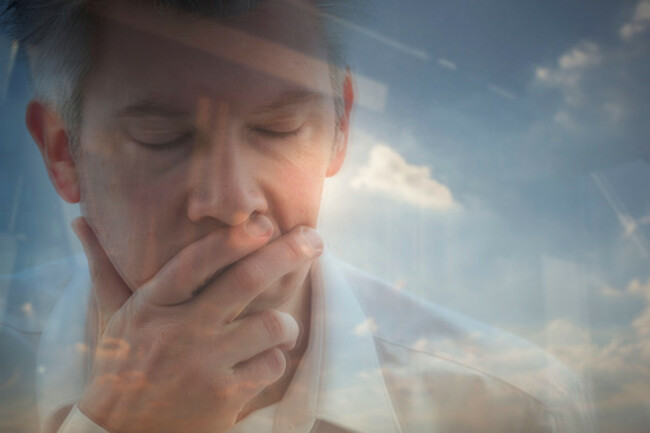
businessman-looking-stressed Alamy Stock Photo Alamy Stock Photo

And chronic stress naturally takes its toll. The human body is well equipped for short-term surges of adrenaline, but less so for the longer-term wear and tear of all that additional bodily activity. In response, the adrenal glands start to produce more cortisol, a steroid hormone that acts as an anti-inflammatory to protect the body from the effects of adrenaline, a bit like motor oil protects a revved-up car’s engine.

But, like all steroids, cortisol is an immunosuppressant which, if chronically elevated, leaves us prone to infections and other even more serious physical illnesses. It is implicated in obesity, cardiovascular disease and even cancer. In addition, stress markedly increases our risk of anxiety and mood disorders – and even psychosis.

Stress of a modern world

And stress is very common indeed. The Growing Up in Ireland: Cohort ’98 at age 25 survey revealed that 15.3% of men and 21.8% of women experience moderate or high levels of stress. According to Ibec, 46% of young people feel stressed or anxious most of the time and half of employees under 40 are burnt out.

The knock-on economic effects of absenteeism and burnout are estimated to cost the EU and US economies more than €1.8 trillion per year in lost productivity. The American Psychological Association tells us that 75% of adults report experiencing moderate to high levels of stress in the past month, with nearly half reporting that their stress has increased in the past year. Rising stress rates have been reported in both China and Australia. Undoubtedly, stress is a global problem.

A recent study by Canaletti and colleagues examined levels of reported stress across 2.4 million participants in 146 countries from 2006 to 2023. It found that the odds of people reporting stress effectively doubled over the 18-year period. People aged 45-59 experienced the sharpest increase. Moreover, the gender divide widened, with women reporting higher increases in stress by the 2020s.

Unsurprisingly, those financially worst off reported higher stress levels, as did people living in countries with a high level of “state fragility” (meaning war, unstable governments, and so forth). The authors concluded that their study “reveals an alarming increase in stress globally and calls for prioritising structural approaches to reverse this trend”.

How to de-stress

So, how should people manage their stress? Coping strategies can be divided into “adaptive” (helpful) and “maladaptive” (unhelpful) types. Adaptive coping strategies include healthy eating, regular exercise, a regular sleep schedule, meeting with friends and family, discussing your stress with someone you trust, and practicing mindfulness meditation.

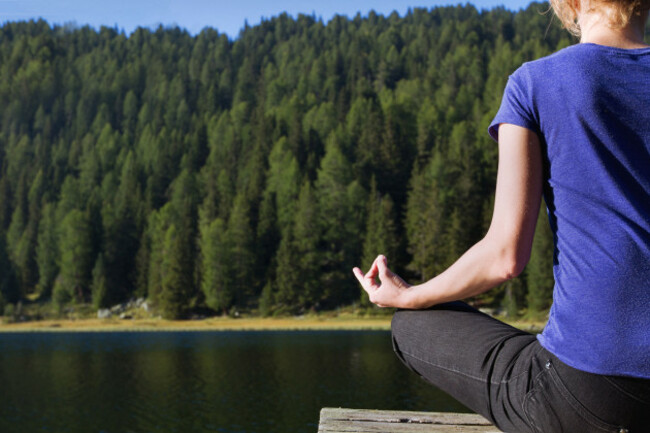
yoga-and-meditation-near-mountain-lake Alamy Stock Photo Alamy Stock Photo

Maladaptive coping strategies include alcohol, cigarettes, illicit drug use, overuse of prescription medications, under- or overeating, an unhealthy diet, social isolation, or engaging in risky behaviours such as self-harming.

Alcohol is deceptively unhelpful for stress. While it is a “euphoriant” (making you temporarily happy) and “anxiolytic” (making you less anxious) in the first hour or two of drinking it, these effects quickly wear off overnight, leaving you much unhappier and more anxious than you would have otherwise been the next morning. If you are at all vulnerable to stress, this so-called “hanxiety” can last for days.

Broadly speaking (without wishing to propose an exhaustive list), here are seven practical things that might help the average individual experiencing chronic stress:

  1. Boundaries and Time Management – restructure your responsibilities where possible, with an emphasis on daily routine. Avoid taking on more work than you can manage. Avoid the constant pressure to respond to emails or social media messages. Learn when to say “no”.
  2. Lifestyle – prioritise regular exercise, a balanced sleep schedule and a nutritious diet (avoiding too many processed foods) in line with the “adaptive” coping strategies. A lunchtime walk may help to combat stress during the day.
  3. Relaxation Techniques – practice progressive muscular relaxation, breathing techniques, mindfulness or other forms of meditation if you can get the hang of them.
  4. Social Support – combat the tendency to socially isolate by meeting regularly with friends and family. Cultivate relationships and discuss your stress and its causes with someone you trust.
  5. Psychological Techniques – keep a diary that will allow you to become more aware of the triggers in life that cause you stress. Write down the events that happen each day, along with your associated thoughts, feelings and behaviours. It may help to consider the benefits of a counsellor or cognitive therapist.
  6. Avoid Maladaptive Coping Strategies – alcohol, cigarettes, illicit drug use, overuse of prescription medications, risky behaviours such as self-harming, as outlined above. None of these behaviours is helpful, however enticing they may seem.
  7. Escalate – book an appointment with your GP where stress is so severe or persistent that it risks causing physical or mental illness. This might ultimately involve referral to a psychologist or psychiatrist.

Finally, if you notice someone else experiencing the effects of chronic stress, perhaps the most useful thing you can do is to sit and listen.

Skills in reaching out to do this effectively are available through organisations such as Mental Health First Aid Ireland.

Dr Stephen McWilliams is a consultant psychiatrist at St John of God University Hospital, Stillorgan, Co Dublin, a Clinical Associate Professor at the School of Medicine, University College Dublin, and an Honorary Clinical Senior Lecturer at RCSI University of Medicine and Health Sciences.

Need help? Support is available.

  •  Samaritans – 116 123 or email jo@samaritans.ie
  •  Pieta House – 1800 247 247 or email mary@pieta.ie (suicide, self-harm)
  • Aware – 1800 80 48 48 (depression, anxiety)
  • Teen-Line Ireland – 1800 833 634 (for ages 13 to 18)
  • Childline – 1800 66 66 66 (for under 18s)
  •  SpunOut – text SPUNOUT to 50808 or visit spunout.ie

Readers like you are keeping these stories free for everyone...
A mix of advertising and supporting contributions helps keep paywalls away from valuable information like this article. Over 5,000 readers like you have already stepped up and support us with a monthly payment or a once-off donation.

Close
31 Comments
This is YOUR comments community. Stay civil, stay constructive, stay on topic. Please familiarise yourself with our comments policy here before taking part.
Leave a Comment
    Submit a report
    Please help us understand how this comment violates our community guidelines.
    Thank you for the feedback
    Your feedback has been sent to our team for review.

    Leave a commentcancel

     
    JournalTv
    News in 60 seconds