Sign in. It’s quick, free and it’s up to you.
An account is an optional way to support the work we do. Find out more.
Sign in. It’s quick, free and it’s up to you.
An account is an optional way to support the work we do. Find out more.
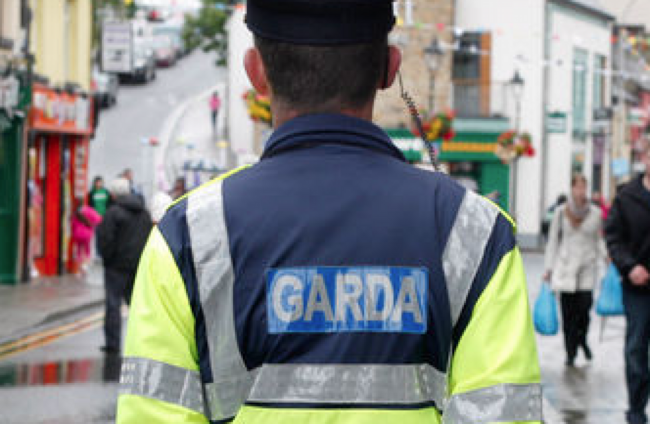

AN GARDA SÍOCHANA and its independent oversight bodies are set for a major overhaul this year as a new Bill goes through the Oireachtas.
It follows from the recommendations from the Commission on the Future of Policing (CFP) that the Garda be transformed from a police force into a police service with human rights as the purpose and foundation of policing.
The CFP made particular recommendations around the need to improve and update the independent oversight bodies to bring them in line with best practices internationally.
The Garda Síochána Ombudsman Commission (GSOC), the body tasked with receiving complaints about the Gardaí, has been criticised by everyone from complainants who find their complaints are getting nowhere to international bodies who say the body isn’t properly empowered or resourced to do their job effectively.
An investigation published recently by the investigative journalism platform Noteworthy and part-funded by the Irish Council for Civil Liberties revealed deep problems in GSOC.
Huge delays in dealing with complaints, a lack of transparency in outcomes, a lack of powers to sanction gardaí beyond the making of findings, and an inability to follow up or oversee the Garda’s response to their findings are just a few of those problems.
A new Bill due to be heard by the Oireachtas Justice Committee today, the Policing Security and Community Safety Bill (PSCS Bill), will make changes to GSOC, but those changes don’t go far enough.
GSOC will be renamed the Police Ombudsman in an attempt to better signal its independence from the Garda, but the Minister for Justice will still hold its purse strings. A three-person Commission structure will be replaced by one Ombudsman, a change which is designed to give clearer leadership.
The Ombudsman will now receive all complaints, but the expanded workload will need to be matched by proper resourcing and expertise. There’s no new duty on gardaí to cooperate in a timely manner, as called for by GSOC itself, nor is there any new power to sanction gardaí for failing to act on its findings.
Of significant concern is the fact that the Ombudsman will have its hands newly tied when seeking to search garda stations, with the requirement that they must notify the Garda Commissioner. The elastic term ‘security of the state’ can be used by the Garda Commissioner to object to the Ombudsman searching garda stations. Any police officer can refuse to share information with the Ombudsman for the same reason.
The Bill will introduce an Independent Examiner of Security Legislation who will review those refusals.
Ostensibly this person will have the right to access everything done by the State in the name of national security, to ensure everything is lawful and the State isn’t going too far in infringing on rights.
Examples from other jurisdictions have been blanket surveillance of the whole population, targeted policing on the basis of racial or ethnic profiling, disproportionate use of force, unfair trials and even ill-treatment of detainees.
But this new oversight body’s hands are being tied too. First of all, the legislation provides that this person can only be a judge. It is likely to be a retired judge, which means the person is likely to come from a particular background that doesn’t reflect the over-policed in our society: minority ethnic groups or people from lower socio-economic backgrounds. We’ve seen internationally that minoritised groups tend to bear the brunt of police overreach in the name of national security.
The Examiner can also be denied access to certain information for a number of reasons, including on the basis that it might affect ‘international intelligence sources’.
This is completely out of keeping with international best practice, including in Northern Ireland, the UK and Australia, where the Independent Security Examiner is vetted at the highest levels and then given the right to access everything. It has been criticised by a former member of the CFP and the Australian independent national security legislation monitor. Without full access, it’s clear the Examiner will not be able to do its job.
The PSCS Bill also reforms the Policing Authority, a body established in 2015 which has brought much-needed transparency and accountability to the Garda. This body will be merged with the Garda Inspectorate and be called the Policing and Community Safety Authority.
However, there’s a missed opportunity to task this body with oversight of the new Community Safety Partnerships, meaning we won’t get the same insights, transparency and accountability where things go wrong with these new structures.
The inspection powers of this new body may also clash with the new inspection body for places of garda custody foreseen under the Inspection of Places of Detention Bill; a Bill designed to fulfil our international obligations under the Optional Protocol to the UN Convention against Torture, once ratified. A clearer legislative basis for the cooperation between these bodies is necessary.
The PSCS Bill retains prosecutorial powers for An Garda Síochána in the District Court. This is in direct contravention of the very clear recommendation from the CFP that prosecutions should only be carried out by the office of the Director of Public Prosecutions (DPP). International standards are clear that an independent prosecution service is vital to protect the independence and integrity of criminal trials. Ireland is out of step with most democratic States on this and the Government must properly resource the DPP to facilitate this change.
Independent, effective investigations into complaints against Gardaí and oversight of Garda compliance with human rights are crucial if we are to maintain trust and confidence in our police service. The PSCS Bill represents a clear opportunity to bring Ireland in line with international best practices. As currently drafted, this opportunity will be missed.
Doireann Ansbro is Head of Legal and Policy with the Irish Council for Civil Liberties.
To embed this post, copy the code below on your site















have your say