Sign in. It’s quick, free and it’s up to you.
An account is an optional way to support the work we do. Find out more.
Sign in. It’s quick, free and it’s up to you.
An account is an optional way to support the work we do. Find out more.
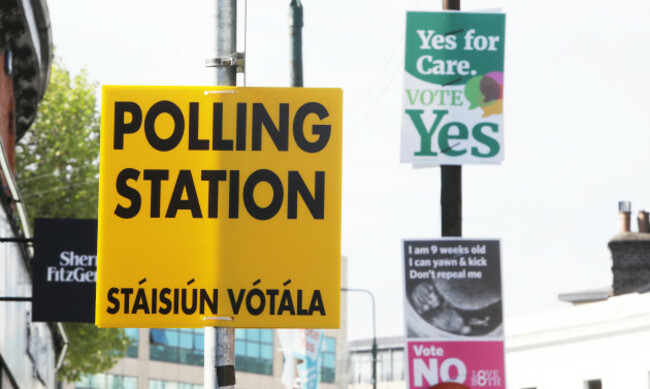
IF YOU LIKE voting, you’re going to be absolutely over the moon about May 24.
You’ll be able to cast your vote in local elections, European elections, a referendum, and – depending on where in the country you live – maybe even a plebiscite.
Needless to say, you won’t be able to take part in any of this if if you’re not registered to vote.
Time is running out. You have until close of business today, May 7, to make sure you’re registered.
On May 24 the country will go to the polls to elect a new batch of councillors to our city and county councils. A total of 949 people will be elected, but you will only have to worry about a small number of these running in your constituency.
You will also get the chance to vote for new Members of the European Parliament (MEPs), who will represent Ireland at EU-level.
There’s just 13 places up for grabs – four in Dublin, four in Midlands–North-West, and five in the South constituency. Here’s who’s running.
The final person to be elected in Dublin and South will not be able to take their seat until after Brexit, when the United Kingdom’s seats in parliament are redistributed.

The referendum taking place will be on divorce, a subject the Irish public have voted on two times previously.
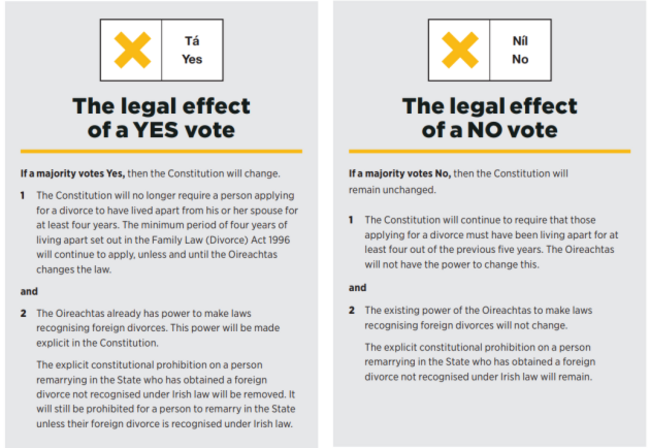
This time round, we’re looking at an amendment that would do two things:
Like with the Eighth Amendment referendum, it’s largely a vote that would allow the Oireachtas to make a decision rather than being bound by the Constitution. The government has already proposed that if the referendum is passed, they would move forward with legislation that would reduce the waiting time for a divorce to two years.
You can get a broad overview of what’s involved using this helpful leaflet from the Referendum Commission. Here’s the summary they provide:
And finally: If you live in Cork city, Limerick city and county, or Waterford city and county, you will get to have your say in a plebiscite on whether or not you think there should be directly-elected mayors. This would be a paid position and the person elected would perform “a significant amount” of the executive functions currently carried out by local authority chief executive.

The government will not be bound by the results of these votes. More detail about how this would work is available here on the Department of Local Government’s website, and here’s what they will and won’t be able to.
There’s slightly different criteria for each vote:
Referendum: You must be an Irish citizen and over 18.
European elections: You must be a citizen of the European Union and were 18 years old on 15 February.
Local elections: As long as you’re over 18, you’re pretty much good to go. Irish, British, EU and non-EU citizens are entitled to vote.
Plebiscites: The same criteria as the local elections applies.
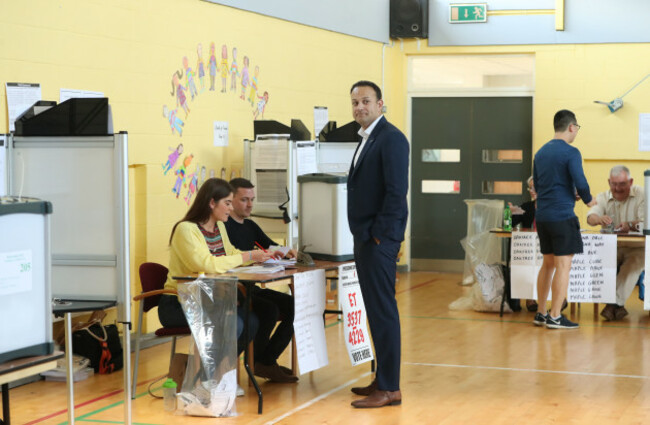
The deadline has passed to register for a postal vote (available to Irish diplomats, members of An Garda Síochána and Defence Forces, prisoners, people with a physical illness or disability, students studying full-time in Ireland but away from home, and for those who would not be able to get to their polling station due to their job) and to be included on the special voters list (for people who live in hospitals, nursing homes or similar institutions).
And that’s it – if you have any niggling questions, Citizens Information has more details about the ins-and-outs of registering to vote here.
2019 will likely be the year when it becomes significantly easier for patients to access medicinal cannabis in Ireland. Will Ireland be able to grow its own, and will it herald the start of Ireland’s cannabis industry? Sinéad O’Carroll and Christina Finn explore the subject in the latest episode of The Explainer.
The Explainer / SoundCloud

To embed this post, copy the code below on your site















have your say