Sign in. It’s quick, free and it’s up to you.
An account is an optional way to support the work we do. Find out more.
Sign in. It’s quick, free and it’s up to you.
An account is an optional way to support the work we do. Find out more.
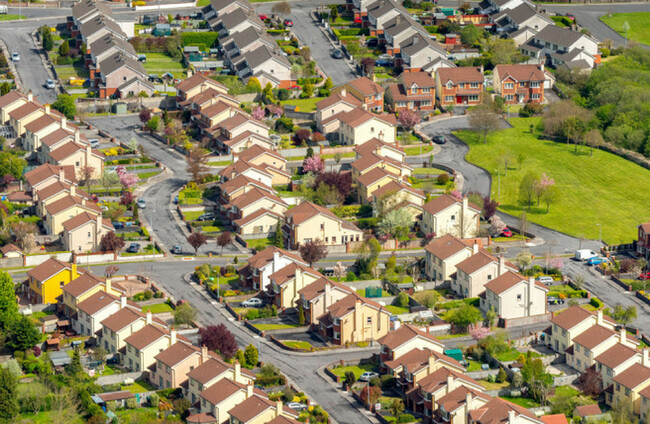
HOMEOWNERS HAVE BEEN reminded by Revenue of the 7 November deadline they must meet to begin the process of paying the new Vacant Homes Tax.
The tax, announced in Budget 2023, will target 60,000 properties across Ireland and it will be at a rate three times that of the local property tax which must be paid by the start of January.
The tax is aimed at making more housing available by encouraging those who own empty houses to put them up for sale or into the rental market.
There currently is no database of these properties and the tax is self-assessed, but Revenue say it’s “very important” for homeowners to determine if they are required to pay the tax.
The levy will apply to all unoccupied homes if their property was occupied for less than 30 days by 1 November.
Revenue is also writing to 25,000 property owners to advise them of the steps they need to take towards their Vacant Homes Tax return.
“Those who received this letter are required to submit a return, even if their property does not meet the relevant conditions for the tax to apply,” Revenue said today.
Exemptions are included for homes that are undergoing refurbishment or are holiday homes but today Revenue emphasised that the self-assessed tax must be paid, regardless if the property owner has been written to.
Details of a Revenue document were published in the Irish Independent in September revealing a vacant house worth €300,000 will have a rate due of €945.
Speaking to The Journal in September, Taoiseach Leo Varadkar said that the Government will see if it has a long-term, positive impact on the current housing market and were going to “have to see how it works” before suggesting further measures.
Varadkar said he believes the tax is not going to be the ultimate solution to the housing crisis but instead will run in tandem with other measures. He added that the government were also open to increasing the cost of the tax in the future.
Approximately 800,000 homeowners are also being reminded today by the Revenue Commission that they must set up their payment options towards the Local Property Tax.
As of 1 November, newly built residential properties or homes which have been refurbished and have been occupied between 2 November 2022 and 3 November 2023 are now also subject to the local property tax.
If a taxpayer bought or built a new residential property between 2 November 2022 and 1 November 2023, Revenue is reminding them that the property is liable for the local property tax.
As the tax is based on the valuation of the house at 1 November 2021, Revenue said that the taxpayer must value the newer property as if it had existed in its completed state on that date.
This measure was brought in as part of the Government’s pandemic recovery package which made it so that every person who bought a home since 2013 was required to pay the property tax.
Property owners can seek guidance on this valuation on the Revenue Commission’s website as well as finding information on how to submit the property tax return.
Includes reporting by Niall O’Connor

To embed this post, copy the code below on your site















have your say