Sign in. It’s quick, free and it’s up to you.
An account is an optional way to support the work we do. Find out more.
Sign in. It’s quick, free and it’s up to you.
An account is an optional way to support the work we do. Find out more.

RETAILERS BELIEVE THIS Christmas trading period could be the best ever since 2009, with consumer sentiment up and shoppers ready to spend big.
Part with your cash
From supermarkets to department stores, retailers are carefully engineered to get you to spend the most money possible.
If you want to beat retailers at their own game, then you’d better learn how they think. Here are some of the clever ways they try and make you part with your cash:
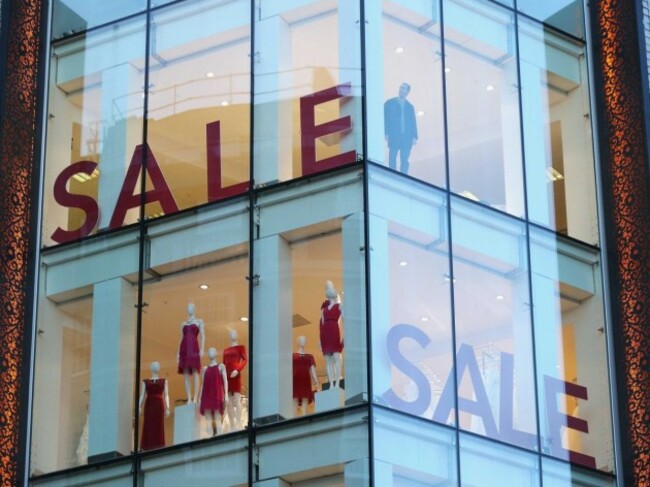
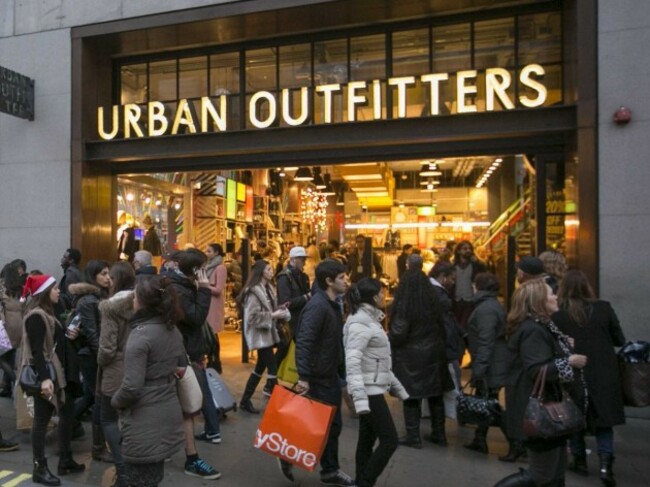
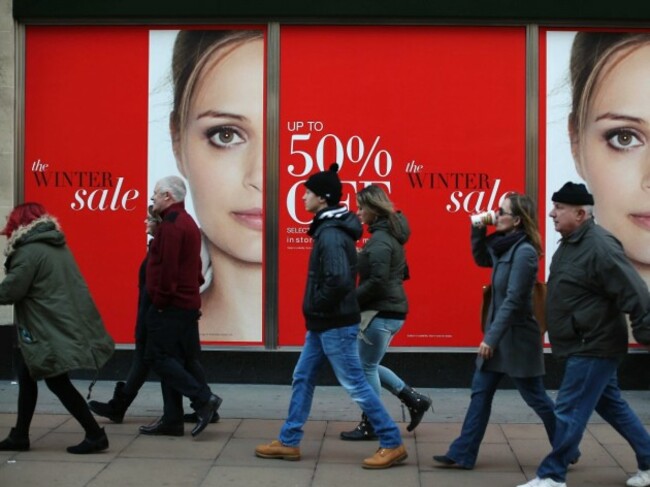
Did someone say SALE!: A big, bold “SALE” sign helps get people in the store, where they are likely to buy non-sale items.
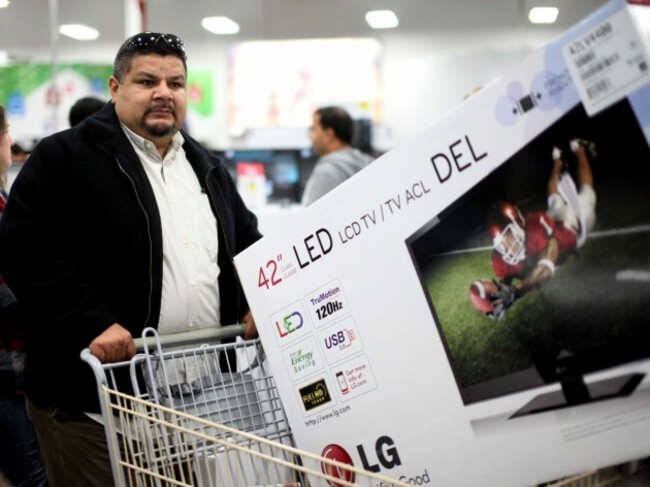
Supermarket sweep: Once you enter, there’s the shopping trolley. This invention was designed in the late 1930s to help customers make larger purchases more easily.
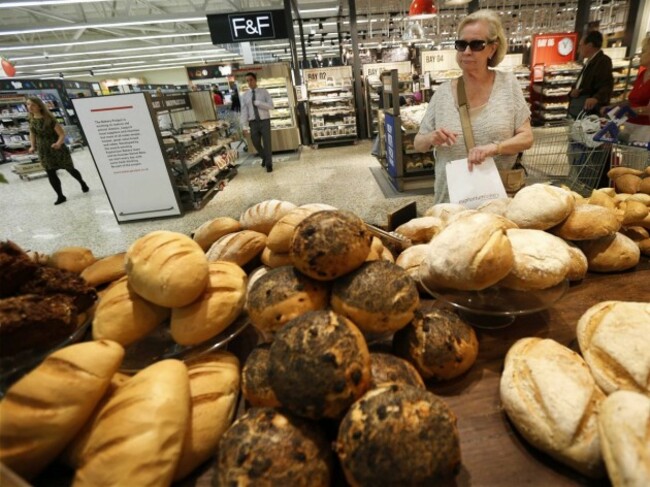
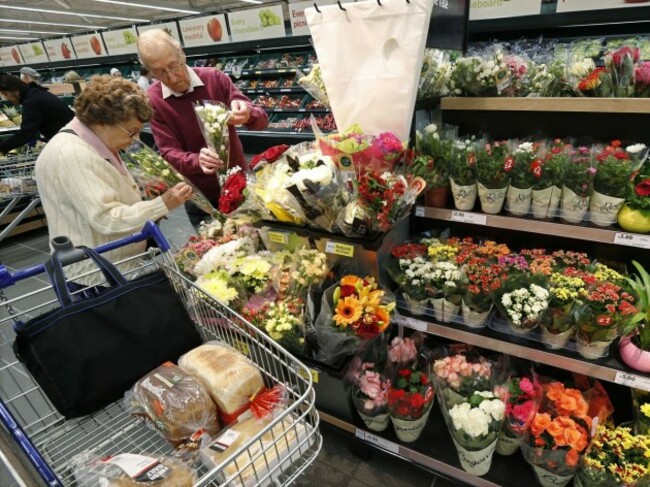
‘I can afford this’: In supermarkets, high margin departments like floral and fresh baked goods are placed near the front door, so you encounter them when your trolley is empty and your spirits are high.
Mmm… something smells good: Flowers and baked goods also sit near the front of stores because their appealing smell activates your salivary glands, making you more likely to purchase on impulse.
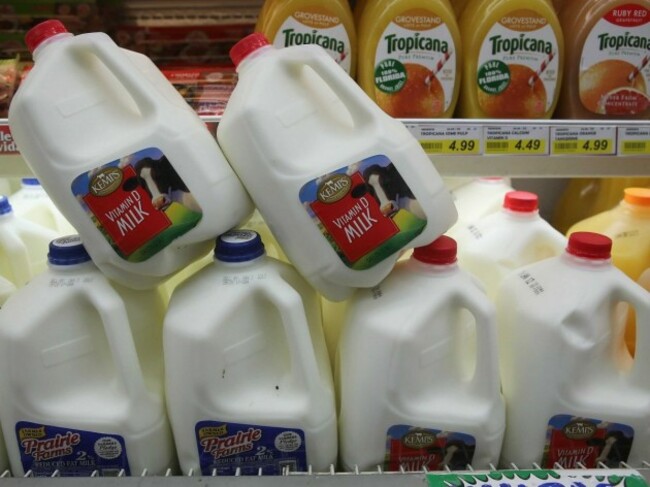
They hide things: Supermarkets like to hide dairy products and other essentials on the back wall, forcing you to go through the whole store to reach them.
They get you to walk a lot: Once customers start walking through a shop’s maze of aisles, they are conditioned to walk up and down each one without deviating.
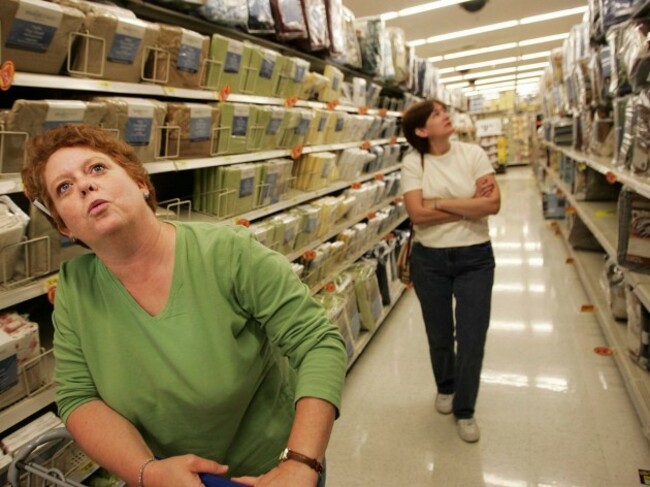
Right in front of your eyes: Anything a store really wants customers to buy is placed at eye level. Particularly favoured items are highlighted at the ends of aisles.
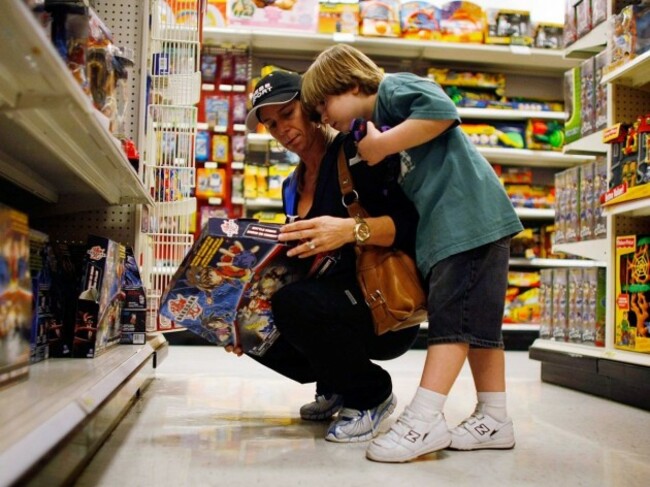
Kids: There’s also kid eye level. This is where stores place toys, games, sugary cereal, candy, and other items a kid will see and beg his parents to buy.
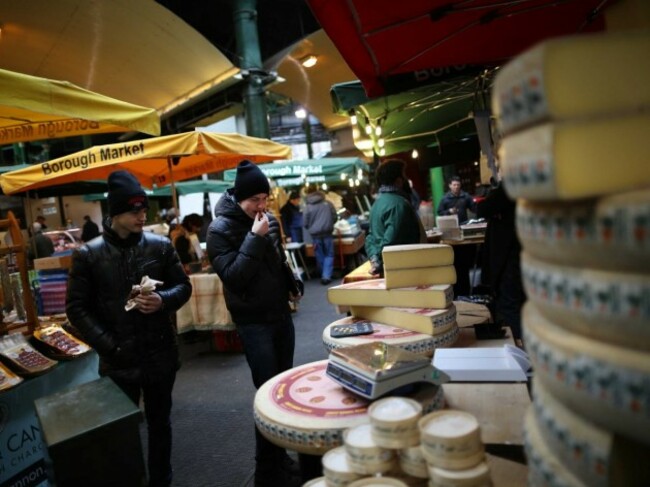
‘Try me’: Sample stations and other displays slow you down while exposing you to new products.
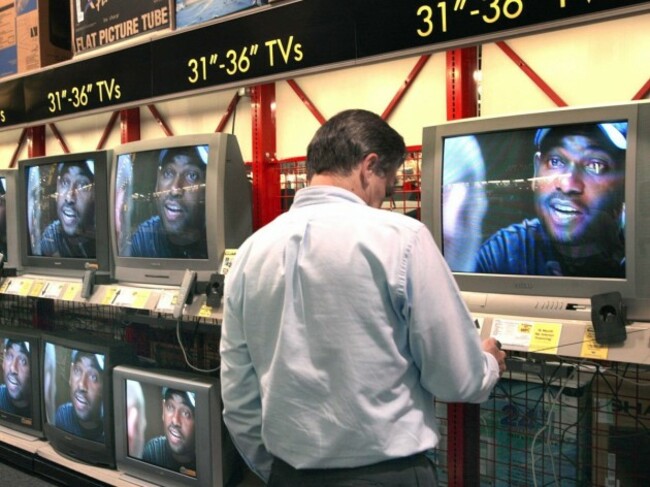
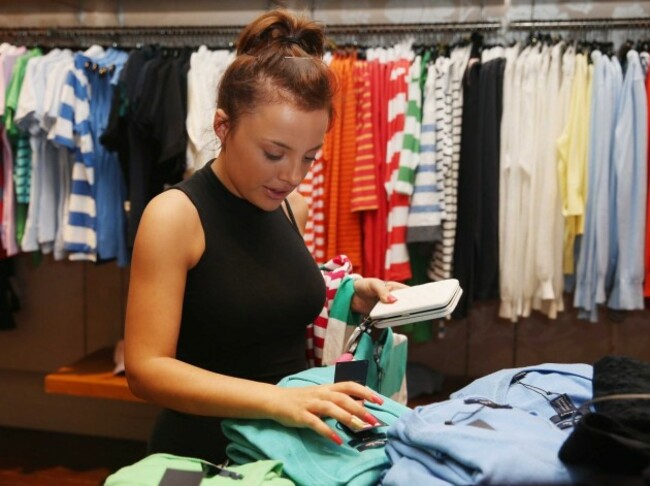
Touch and feel: Stores also want items to be in easy reach. Research shows that touching items increases the chance of a purchase.
Enticing colours: Colour affects shoppers, too. People are drawn into shops by warm hues like reds, oranges, and yellows, but once inside cool colours like blues and greens encourage them to spend more.
Hear that music?: Studies show that slow music makes people shop leisurely and spend more. Loud music hurries them through the store and doesn’t affect sales. Classical music encourages more expensive purchases.
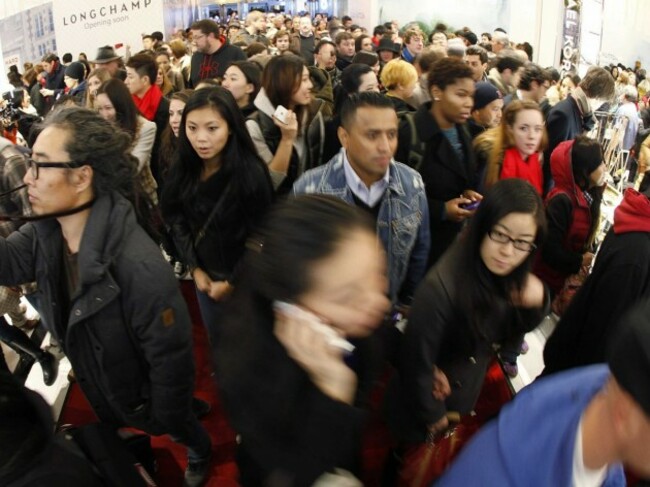
Large spaces: Store size matters, too. In crowded places, people spend less time shopping, make fewer purchases (planned and impulsive), and feel less comfortable .
You must buy this now!: Stores not only entice you with sales, they also use limited-time offers to increase your sense of urgency in making a purchase.
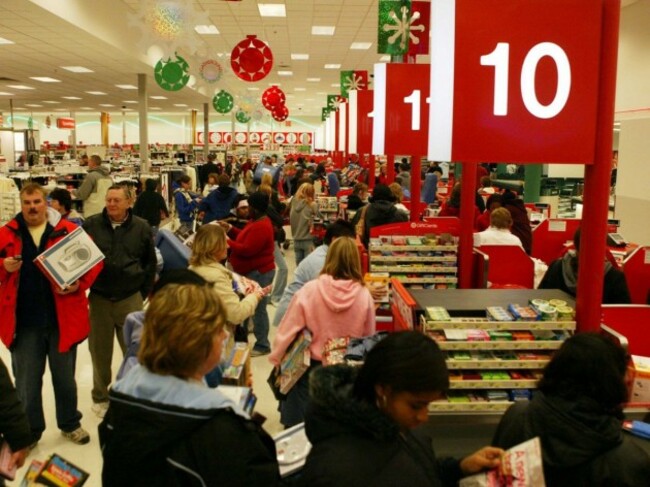
Waiting in the queue: The most profitable area of the shop is queuing for the checkout. Shops bank on customers succumbing to the sweets and magazine racks while they wait.
Now you know all the trade secrets you can be a bit savvier navigating the shops this season.

To embed this post, copy the code below on your site












have your say