Sign in. It’s quick, free and it’s up to you.
An account is an optional way to support the work we do. Find out more.
Sign in. It’s quick, free and it’s up to you.
An account is an optional way to support the work we do. Find out more.
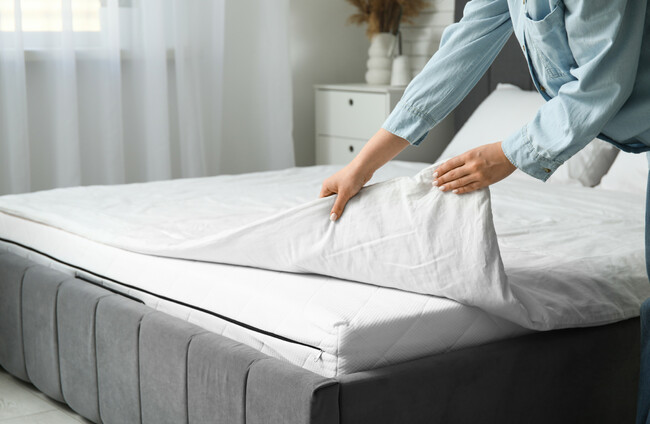
OVER THE WINTER period, many of us tend to become slightly better acquainted with our beds.
Whether this is because there are more opportunities to have a lie-in (for some), or because the cold weather outside means we retreat to bed for warmth, the colder months tend to be a time for cosiness.
But the more we use our beds and bedsheets, the more we need to make sure we are taking good care of our bedding, keeping it all clean, fresh and hygienic. Keeping a clean and organised bed is an important part of sleep health and hygiene, and can make a difference to your overall wellbeing.
More than just washing
Ideally, you should change your bedsheets once every 7-10 days, washing them at least once every two weeks. However, keeping your bedding clean and fresh is an ongoing process so that you have the perfect place of rest every night.
Every morning, try pulling back the covers for 30 minutes to let any moisture from the night before (such as sweat or oils) evaporate, thereby minimising odour, residue and irritants. Do this before you make the bed so everything is aired out.
Just as important as how often you wash your sheets is how well you dry them. Putting your sheets on your bed if they are even slightly damp is a surefire way to leave your sheets smelling slightly off until their next wash.
Be strict with yourself
In between washes, you want your bed sheets to be comfortable so that you can quickly achieve a sense of peace and comfort upon settling down for the night. Crucially, this means you should avoid eating in bed whenever you can. Not only is it bad for your sense of routine, but crumbs and particulate matter in the bedsheets will haunt you until it’s time for your next wash.
Other behaviours that should be avoided in order to avoid musty or damp smells setting in are making sure your pets don’t climb on the bed (though this is a personal choice), no shoes on the bed (no matter how clean they might seem) and no falling asleep with wet hair.
One habit you should definitely get into is showering before bed (controversial), which minimises the risk or bringing outside matter like dust, pollen and whatever else into the bed. The cleaner you are, the cleaner your bed will be.
Pillow talk
It’s actually important to wash your pillow cases more often than the rest of your sheets, changing them every few nights. As they are in contact with our hair, they gather more oils, sweat, bacteria and hair than the rest of our sheets. They’re also in direct contact with our faces for longer, so it’s essential to change them often for the sake of your skin.
Use protection
One of the best ways to protect your sheets and pillows over time is to use mattress and pillow protectors. Protectors give you an extra layer of defence against things like pet dander, dead skin cells, dust and other particles from burrowing into your bedding. Crucially, they’re also an added layer of protection should you ever spill a morning cup of tea, thereby extending the life of your bedding and saving you money in the long run.

To embed this post, copy the code below on your site





have your say