Sign in. It’s quick, free and it’s up to you.
An account is an optional way to support the work we do. Find out more.
Sign in. It’s quick, free and it’s up to you.
An account is an optional way to support the work we do. Find out more.
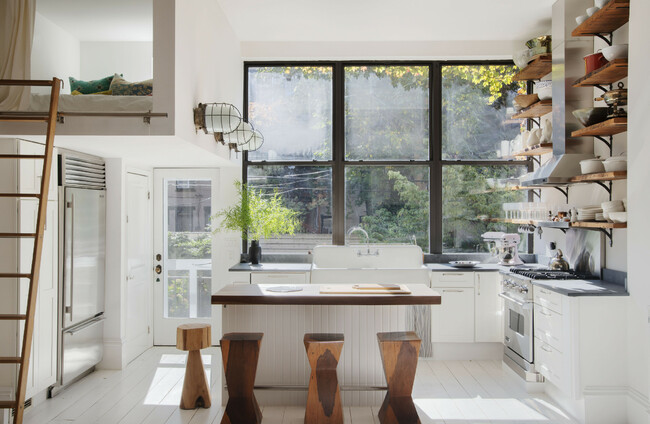
IF YOU THINK having a more sustainable home means sacrificing on colour or style, then think again. As an acclaimed interiors stylist and art director, Nicole Gray’s new book The Reimagined Home contains a wealth of ideas on how to embrace stylish and sustainable design via the homes of some of the world’s most respected creatives. Ruth O’Connor speaks to the author about creating joyful spaces that incorporate existing pieces, adaptable design ideas and conscious purchases.
‘Sustainable places created with joy’. Why was it important for you to write a book on this topic?
Although perceptions of what sustainable design looks like are slowly starting to shift, there is still a common misconception that an eco-friendly aesthetic must follow a specific pattern: a neutral colour palette, wooden furniture, and a minimalist layout. I wanted to challenge this idea – to find a balance between homes that are sustainability-led but also textured, patterned, and, dare I say it, colourful.
How do you think people’s perceptions of sustainability in design have changed over time?
I think initially sustainability was viewed as a set of limitations – a list of things we had to give up or do without to help protect the environment. Now, it’s starting to be seen as an opportunity for design innovation, growth and improved quality of life.
The way we live in our homes has played a big role in this shift. We’re living longer, the housing shortage has led to more multigenerational living arrangements, and the rising cost of living has created an urgent need to find creative ways to preserve and make the most of our spaces. I also believe that the influx of young interior designers and architects showcasing sustainable materials in fresh and exciting ways has also contributed to this change.
While many of the homeowners you feature in the book have ethics or an ethos in common they channel that in different ways aesthetically. Tell us about how you organised them by themes in your book.
I wanted to highlight that there’s no one-size-fits-all approach to living more consciously. Many of the people share values around sustainability, creativity or community, but the way they express those values is entirely their own. I tried to let each home tell its own story and then explore what made it unique – whether through design, materials, rituals or how the space is used. Grouping them by theme felt like a way to celebrate that diversity while also drawing attention to the common threads.
Did you know what themes you wanted to tackle before embarking on the project or did that become more apparent as you learnt more about these homes?
The idea for this project started when I visited the home of Jules Haines, founder of the resale textile platform Haines Collection. Jules had a bright red stair guard made from repurposed bungee cord fastened with brass pipe holders at the bottom. It was originally installed as a temporary measure to prevent her two young children from falling off the stairs and has since become a permanent fixture. I fell in love with it because it embodied everything I believe sustainable design should be: accessible, affordable and creative. These were the themes I used as a springboard to research other spaces and I developed the chapters based on what I discovered along the way.
Do you have a favourite home in the book?
That’s like asking me to choose a favourite child! I love them all for different reasons. If I had to choose one to live in, however, it would be the townhouse conversion by Kate Blower. Kate is the founder of the sustainable lifestyle brand Resinn, which she runs with her husband Eric, from their converted basement in Sunderland. The property originally belonged to a sea captain in the 1870s, before being carved up into student accommodation in the 1990s. Kate used YouTube tutorials to learn how to restore the home to its former glory with traditional building techniques and materials such as linseed oil and distemper paint. It’s so clever yet still feels accessible.
What key lessons did you learn from each of your interviewees that you’re hoping readers will also take away from reading it?
I learned so much from each of the homeowners featured in the book, but my standout takeaways would have to be:
Always choose patina over polish
In the converted docker’s bar of interiors stylist and photographer Helma Bongenaar, standout features include wooden flooring salvaged from a skip, discarded cabinets repurposed as kitchen units, and a compact vestibule Helma handcrafted with her partner, Jeroen Alberts, using vintage school doors. These materials will not only last a lifetime but also continue to look better with age, adding character and depth to the space.
Sustainable design can be an extension of your personality
The colourful, retrofitted kitchen of Patricia and Gwen in Tottenham features an amazing upside-down curved arch ceiling inspired by their favourite artwork, Untitled 1963 by Donald Judd. Made up of 19 timber fins, it creates a unique focal point that’s deeply personal to them. I also loved the fun plywood pegboard shelf wall they installed, which allows them to swap items in and out whenever they fancy a change of scenery. Genius.
Renovations are not about what you take out, but what you leave in
Before working on the book, I thought renovations were all about what you ‘ripped out.’ Maria Speake’s ethos of letting the bones of her Hampstead house guide the refurbishment- rather than the other way around-inspired me immensely. Maria, the co-founder of the renowned salvage brand Retrouvius, designed each room around existing elements: a bathroom door sanded down to reveal a mottled swirl pattern in a rich tomato shade left untouched, original Victorian timber-braced brickwork left exposed rather than plastered over, and original limed floorboards used as boxing throughout.
What are the key innovations you’ve seen that can help people’s homes become more sustainable?
For those at the renovation stage of the journey, I am very excited about the bio-based and recycled building materials coming to the forefront of construction, such as hempcrete (a bio composite material made from hemp hurds mixed with lime and water) which offers excellent thermal and acoustic insulation; seaweed based concrete (often in powder form) that binds concrete together naturally without the need for conventional Portland cement; and cork, which although already widely used for flooring and tiles, is now being tested as the next step in biodegradable air-tight exterior cladding.
For those at the decorative stage of their journey, I’m also excited about the innovative wall coverings gaining popularity, such as grasscloth, sisal, jute, and bamboo. These are all made from renewable or biodegradable fibers and offer a beautifully textured alternative to paint.
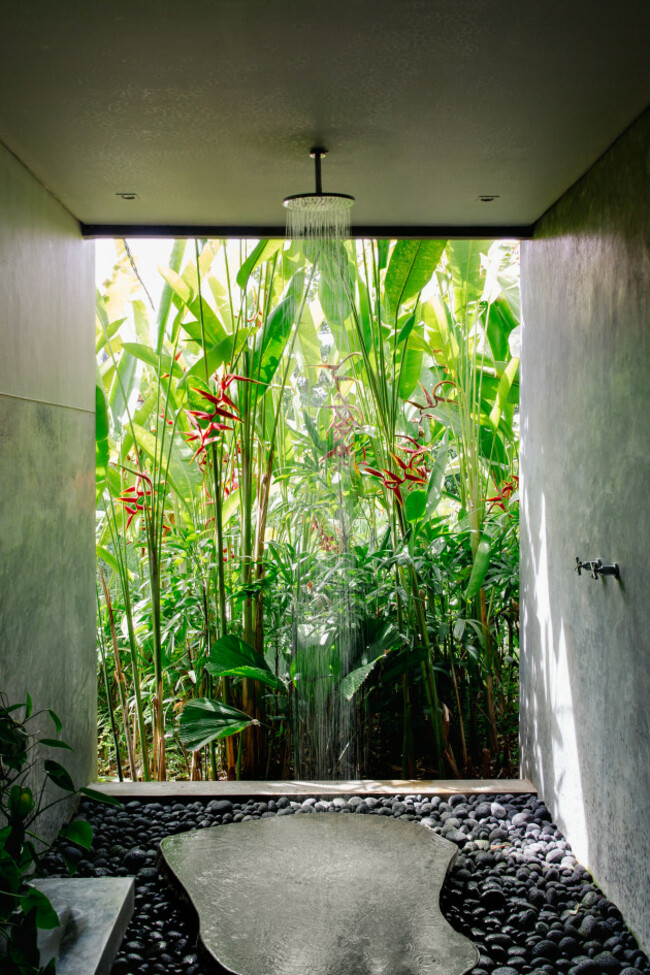
Access to nature and biophilic design seems to be key to several of these homes. What do you think are the benefits of incorporating nature/ natural forms into home design?
Having frequent access to nature in the form of plants or sources of natural light lowers our cortisol levels and helps us feel calmer- a welcome antidote to the hectic lives we all now lead. Plants also absorb carbon dioxide and release oxygen, which purifies the air (very helpful for those with respiratory issues), with some plants such as spider plants and peace lilies filtering out harmful toxins like benzene, formaldehyde, and toluene which can contribute to health problems over time. Studies also show that nature-infused environments help improve focus, memory, and problem-solving skills, which is great if you are working from home.
One of the things that strikes the reader about many of the homes was the appreciation for craft and materials. Can you tell us more about why this is a sustainable aspect of the homes you feature?
Hardwearing materials like solid wood, stone, metal, and clay often last for decades, unlike synthetic, unrecyclable alternatives that wear, chip, or peel and eventually be discarded. While wear and tear is inevitable over time, choosing maintenance over replacement helps keep furniture and fittings out of landfill.
Homes that prioritize natural, low-toxicity materials-such as wood, lime plaster, jute, clay and hemp are also healthier for the people living in them as they produce fewer VOCs.
Handmade items also require less energy to produce than factory-made ones, and at the end of their life, these natural materials biodegrade and/or recycle much more easily.
One of our other features this week is on a repair cafe in Dublin. Why do you think it’s so important to breathe new life into existing things?
I’ve dedicated a whole chapter in the book to this very idea, called Rethink, Reuse, Reinvent, because I believe it’s crucial to how we move forward – not just sustainably, but creatively and culturally. When we repair or reinvent something rather than discard it, we’re not only reducing waste, we’re also honouring the history, value and potential of what already exists.
I think it is also important to flag, however, that buying something new should not be villainised, especially if you love it! The key is to treat that piece as a design classic within your home – something you can repaint, reupholster or reinvent over time so it lasts for generations.
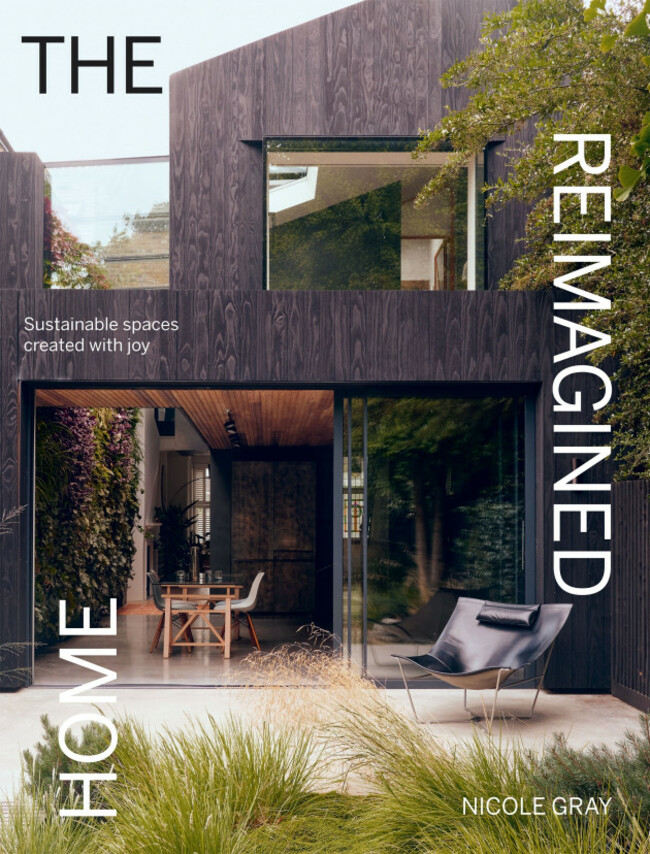
The Reimagined Home: Sustainable Spaces Created with Joy by Nicole Gray is available now in all good bookshops and online. Published by Quadrille. Hardback, RRP UK£35.
Instagram: @nicolegraystylist
Order The Reimagined Home here.
To embed this post, copy the code below on your site




have your say