Sign in. It’s quick, free and it’s up to you.
An account is an optional way to support the work we do. Find out more.
Sign in. It’s quick, free and it’s up to you.
An account is an optional way to support the work we do. Find out more.
LAST UPDATE | 23 Jun 2023
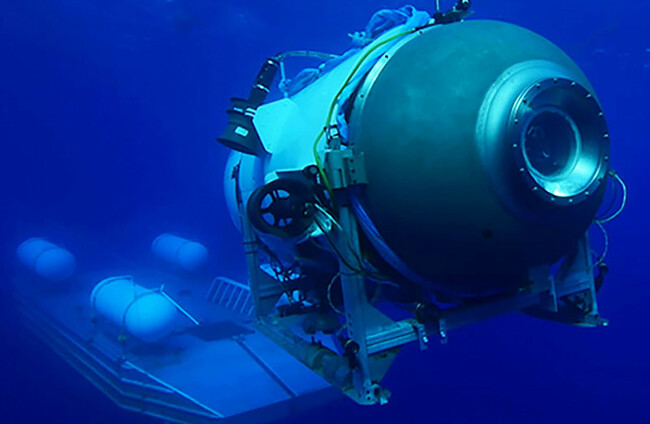
THE CHIEF EXECUTIVE of the company responsible for the Titan submersible dismissed safety concerns over the deep-sea vessel, emails have allegedly shown.
The five people on board the deep-sea vessel – Hamish Harding, Shahzada Dawood, his son Suleman Dawood, Paul-Henri Nargeolet and the chief executive and founder of OceanGate Expeditions Stockton Rush – were killed after it imploded on its way to the Titanic wreckage.
The BBC reported Rush, who was one of the five people who died in Titan’s catastrophic implosion, had previously written that he had heard “baseless cries” of “you are going to kill someone” – which he believed were a “serious personal insult”.
His words could be seen in emails between Rush and deep sea exploration specialist Rob McCallum – in which he also said he was “tired of industry players who try to use a safety argument to stop innovation”.
The emails, seen by the BBC, show McCallum told OceanGate’s chief executive that he was “mirroring that famous cry” of the Titanic’s builders: “She is unsinkable.”
The broadcaster reported that the email exchange ended when the company’s lawyers threatened legal action.
After the emails were released, McCallum told the BBC he repeatedly urged OceanGate to seek certification for the Titan before using it for commercial tours.
One of his emails read: “I implore you to take every care in your testing and sea trials and to be very, very conservative.
“As much as I appreciate entrepreneurship and innovation, you are potentially putting an entire industry at risk.”
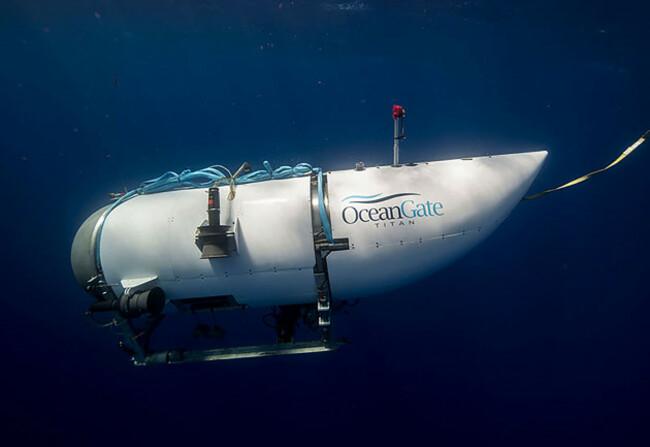
The US Coast Guard confirmed yesterday that the tail cone of the deep-sea vessel was discovered around 1,600 ft from the bow of the Titanic wreckage.
It came after the submersible lost contact with the tour operator an hour and 45 minutes into the two-hour descent to the wreckage, with the vessel reported missing eight hours after communication was lost.
The Titan was on its third visit to the wreck, having previously made trips to the site in 2021 and 2022.
In a statement published online, Charles Haas, president of the Titanic International Society questioned whether visits to the historic site 3,800m below the surface should continue.
The society was set up in 1989 to preserve the history of the Titanic.
Haas said: “It is time to consider seriously whether human trips to Titanic’s wreck should end in the name of safety, with relatively little remaining to be learned from or about the wreck.
“Crewed submersibles’ roles in surveying the wreck now can be assigned to autonomous underwater vehicles, like those that mapped the ship and its debris field in high-resolution, 3-D detail last summer.
Haas said there needs to be an investigation into the voyage.
He said: “We believe that an extensive, detailed investigation by the US Coast Guard, the National Transportation Safety Board and/or their Canadian counterparts clearly is warranted.
“It should deeply inquire into the submersible’s design, structure, communication and safety systems, owners’ policies and emergency preparations and procedures, and the proximity, state of readiness and deployment of deep-sea rescue systems to the site.
“Additionally, intensive pre-service inspection of deep-sea submersibles should be required by international regulation.
Just as Titanic taught the world safety lessons, so, too, should Titan’s loss.
Until 2019, no one had visited the wreck for 14 years before five dives were made in eight days to take the first ever 4K images of the ship as it decayed.
Haas also paid tribute to Nargeolet, saying his “consummate knowledge of the wreck and wreck site was unique and unparalleled”.
Nargoleot is believed to have visited the wreckage more than 30 times.
The Transportation Safety Board of Canada (TSB) has said it is launching a safety investigation into the fatal implosion.
In a short statement, the TSB said: “In accordance with the Canadian Transportation Accident Investigation and Safety Board Act and international agreements, the TSB, as the investigation authority of the flag state of the support vessel involved in the occurrence, will conduct a safety investigation regarding the circumstances of this operation conducted by the Canadian-flagged vessel Polar Prince.
“A team of TSB investigators is travelling to St John’s, Newfoundland and Labrador, to gather information, conduct interviews, and assess the occurrence.
“In the coming days, we will coordinate our activities with other agencies involved.”
Film director James Cameron, who has visited the wreck a number of times and was a friend of the Frenchman, said there were warning signs ahead of the voyage to the wreck.
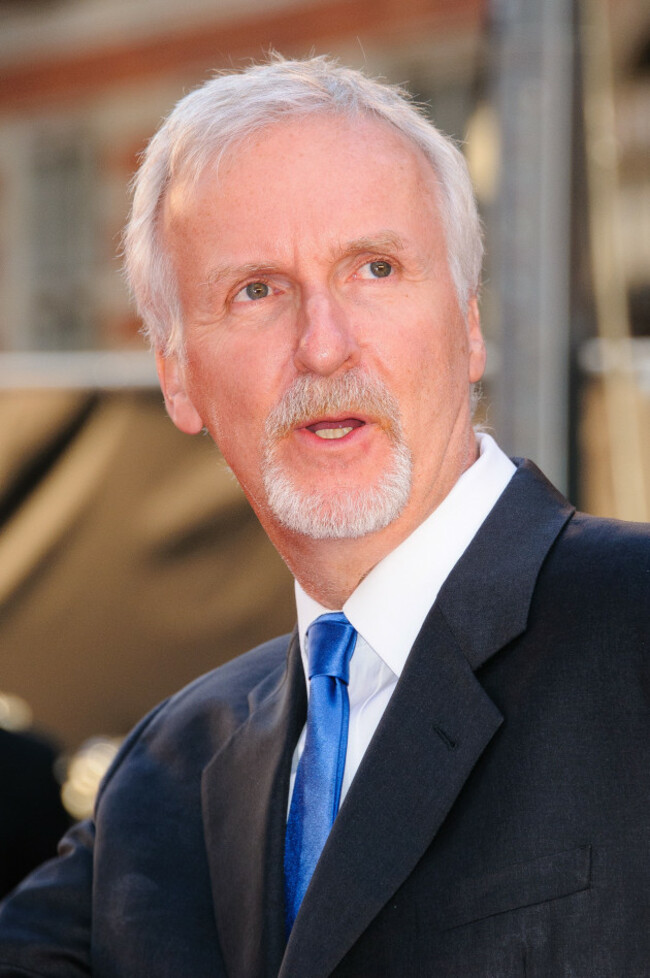
Speaking to ABC News about submersible engineering, Cameron said: “This is a mature art and many people in the community were very concerned about the sub.
“A number of the top players in the deep submergence engineering community even wrote letters to the company, saying that what they were doing was too experimental to carry passengers and they needed to be certified.”
In response, Guillermo Sohnlein, co-founder of OceanGate Expeditions, said the company’s CEO was “extremely” serious about safety.
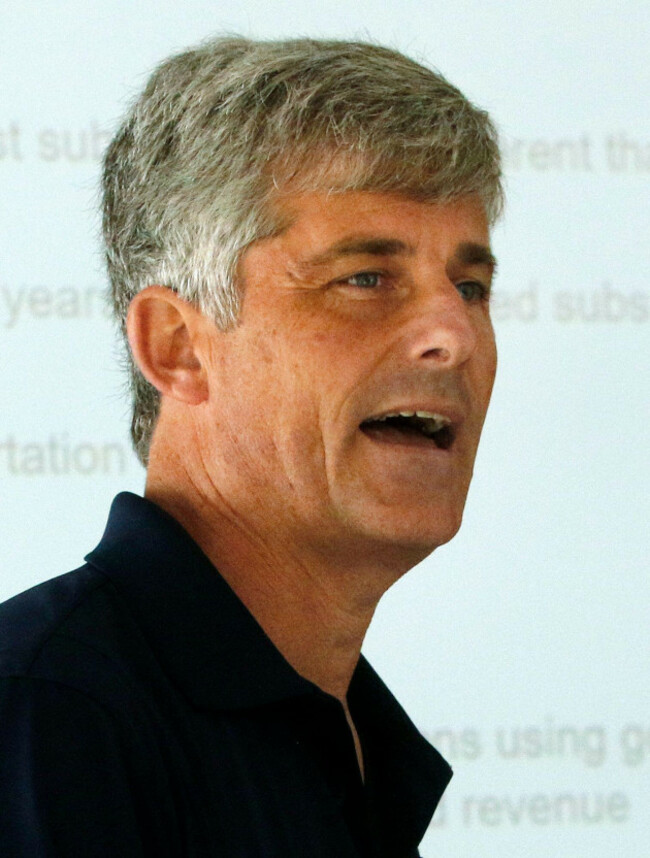
Previous comments from Stockton Rush have emerged in recent days which have resulted in criticism being levelled at his attitude towards safety and regulation.
Guillermo Sohnlein, co-founder of OceanGate Expeditions, said there are regulations in place surrounding submersibles but they are “sparse” and “antiquated”.
“[Rush] was extremely committed to safety,” Soehnlein told Britain’s Times Radio, while stressing he was not involved in Titan’s experimental design.
“He was also extremely diligent about managing risks, and was very keenly aware of the dangers of operating in a deep ocean environment,” he said.
Soehnlein noted that Cameron himself had conducted many submersible descents, including more than 30 to the Titanic site, and to the Earth’s deepest point in the Pacific Mariana Trench.
“I think he was asked about a similar risk and he said: ‘Look, if something happens at that depth, it will be catastrophic in a matter of microseconds.’”
In that scenario, he said, “the implosion happens at almost supersonic speeds and you’d basically be dead before your brain could even process that anything was wrong”.
William Kohnen, chairman of the Manned Underwater Vehicles Committee, a voluntary industry body, said OceanGate was “not willing” to undergo a standard certification process for the Titan submersible.
Kohnen told BBC radio that his Los Angeles-based committee raised safety concerns in 2018 about OceanGate’s development of Titan.
But the company wanted to go its own way, despite the committee’s warning the project’s development could have “negative outcomes from minor to catastrophic that could have serious consequences”.
Voluntary industry regulations were “written in blood” to prevent just such an outcome, he said, adding: “We’re only smart because we remember what we wrote and what we did wrong last time.”
The families of Shahzada Dawood, his son Suleman, and Hamish Harding have paid tribute after they died in the Titan submersible’s catastrophic implosion.
A statement from the Dawood family said: “Our beloved sons were aboard the OceanGate’s Titan submersible that perished underwater.
“Please continue to keep the departed souls of our family in your prayers during this difficult period of mourning.
— Dawood Foundation (@DawoodTdf) June 22, 2023
The sister of Shahzada Dawood and aunt of Suleman, Azmeh Dawood, told NBC News in the US that the 19 year old was terrified about going on the trip.
“I feel disbelief … It’s an unreal situation,” she said.
“I feel like I’ve been caught in a really bad film, with a countdown, but you didn’t know what you’re counting down to. I personally have found it kind of difficult to breathe thinking of them.”
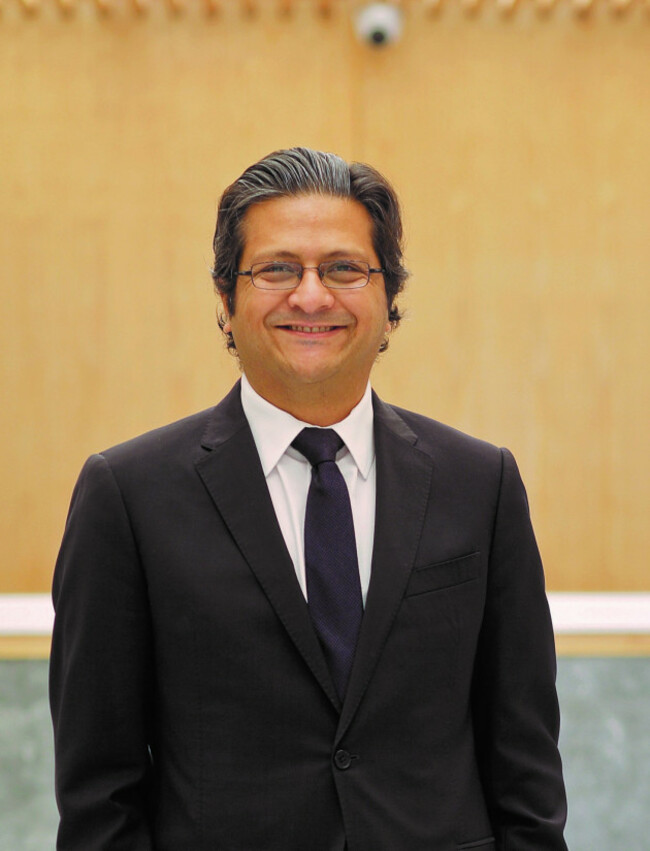
Meanwhile, the family of a British billionaire Harding have paid tribute to their “dedicated father”.
He was described as “a guide, an inspiration, a support, and a living legend” following the news of his death yesterday.
According to court documents, safety concerns had previously been raised about the Titan submersible by a former employee of OceanGate.
The filings said David Lochridge, OceanGate’s former director of marine operations, claimed wrongful dismissal after flagging worries about the company’s alleged “refusal to conduct critical, non-destructive testing of the experimental design”.
Court papers suggest Lochridge “identified numerous issues that posed serious safety concerns” but he was allegedly “met with hostility and denial of access” to necessary documents before later being fired.
With reporting from PA

To embed this post, copy the code below on your site










have your say