We need your help now

Support from readers like you keeps The Journal open.

You are visiting us because we have something you value. Independent, unbiased news that tells the truth. Advertising revenue goes some way to support our mission, but this year it has not been enough.

If you've seen value in our reporting, please contribute what you can, so we can continue to produce accurate and meaningful journalism. For everyone who needs it.

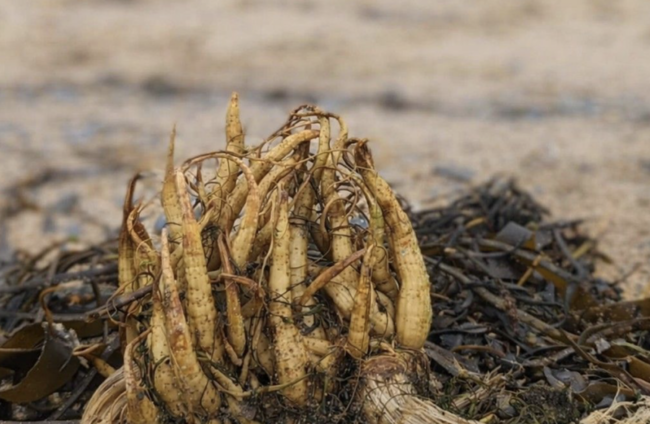
Image of suspected Hemlock Water Dropwort roots on a Co Meath beach. Meath County Council

Warning over appearance of highly poisonous flowering plant on Co Meath beaches

Hemlock Water Dropwort, sometimes known as Dead Man’s Fingers, is one of the most toxic plants in Ireland

MEATH COUNTY COUNCIL has issued a warning over the appearance of hemlock – a highly poisonous flowering plant – on beaches along the Meath coast.

Hemlock Water Dropwort, sometimes known as Dead Man’s Fingers, is one of the most toxic plants in Ireland. It is poisonous to animals and humans.

The council said there have been reports of possible sightings of the plant washing up on Bettystown and Laytown Beach.

There have also been reports that a dog needed veterinary care after coming into contact with the plant in Loughshinny, North Dublin.

Ingestion of any part of the plant can be fatal, causing vomiting, seizures, and respiratory failure within an hour.

Touching the plant can cause skin irritation, painful dermatitis, or rashes, while contact with the sap can cause severe skin blistering. Toxins can also potentially be absorbed through open wounds, or the eyes, nose, or mouth

There is no cure or antidote for poisoning from hemlock.

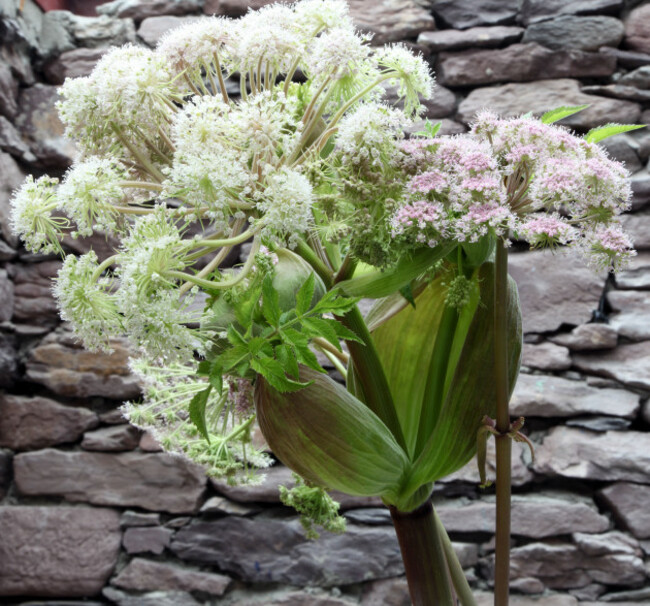
water-hemlock-plant-that-killed-socrates-growing-wild-in-co-kerry Flower hemlock looks similar to the Cow Parsley plant. Alamy Stock Photo Alamy Stock Photo

Hemlock grows in damp grassland and wet woodland, often along river and stream banks. The roots of the plant – the most poisonous part – can wash up on beaches after storms.

Meath County Council warned that the roots look similar to parsnips, but advised the public to “steer clear” as they are highly toxic.

“Don’t touch anything that looks like a parsnip‑shaped root washed up on the beach. Keep pets and little ones close. If you spot something unusual, let Meath County Council know,” it said.

“Even brushing against the plant can irritate skin and ingesting it can be severely dangerous for both people and animals.”

The council said that due to recent high tides, winds, and swollen rivers, it’s likely the plants were uprooted from their usual habitats along the banks of waterways and shoreline.

“Please stay alert on your coastal walks. Please continue to enjoy our beaches but stay safe and stay aware!” it said.

The plant is known for being used in Ancient Greece to execute criminals or prisoners.

The philosopher Socrates was sentenced to death and forced to drink hemlock after being put on trial in Athens in 399BC. 

Readers like you are keeping these stories free for everyone...
A mix of advertising and supporting contributions helps keep paywalls away from valuable information like this article. Over 5,000 readers like you have already stepped up and support us with a monthly payment or a once-off donation.

View 11 comments
Close
11 Comments
This is YOUR comments community. Stay civil, stay constructive, stay on topic. Please familiarise yourself with our comments policy here before taking part.
Leave a Comment
    Submit a report
    Please help us understand how this comment violates our community guidelines.
    Thank you for the feedback
    Your feedback has been sent to our team for review.

    Leave a commentcancel

     
    JournalTv
    News in 60 seconds