Sign in. It’s quick, free and it’s up to you.
An account is an optional way to support the work we do. Find out more.
Sign in. It’s quick, free and it’s up to you.
An account is an optional way to support the work we do. Find out more.
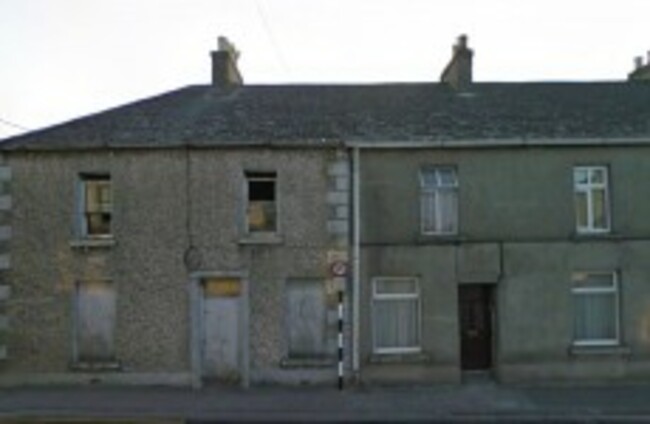
THE NATIONAL BODY for heritage in Ireland has hit out at a report that says no evidence exists of a medieval “manse” remaining at a house in Kilkenny.
Last week the consultant archaeologists to Kilkenny’s Central Access Scheme presented a preliminary account of their archaeological investigations to date at numbers 21-22 Vicar Street in the city.
The report found that the “manse house”, typically a home where a minister would live, was gone prior to 1679, meaning that the houses could be demolished to make way for the scheme. The Central Access Scheme is aimed at relieving traffic congestion around the city.
However, An Taisce says that these findings “cannot be supported by any thorough analysis and needs close scrutiny”.
“The archaeological evidence for this is to be found in the south gable of No.22, whose stone chimney breast with shouldering finds clear parallels in Renaissance buildings in Kilkenny and further afield,” says a statement from An Taisce.
It cannot be stressed often enough that the evidence for the existence of the manse house at Vicar Street is just one reason amongst a host of others, why the Central Access Scheme should not proceed.
To date, over 6,500 locals have added their name to a petition calling for the prioritisation of the completion of a ring road over the Central Access Scheme.

To embed this post, copy the code below on your site














have your say