Sign in. It’s quick, free and it’s up to you.
An account is an optional way to support the work we do. Find out more.
Sign in. It’s quick, free and it’s up to you.
An account is an optional way to support the work we do. Find out more.
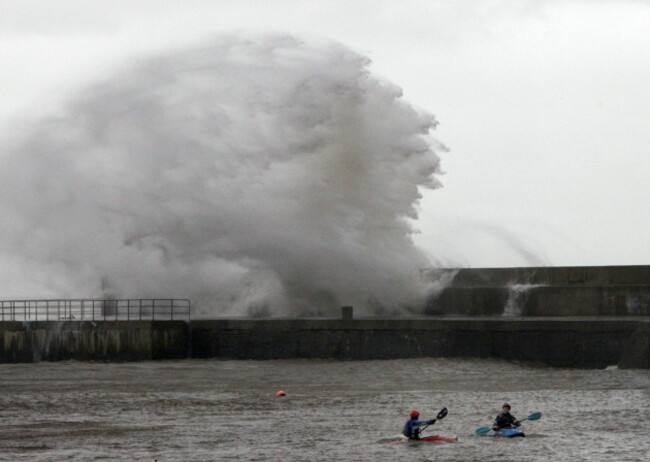
WE MAY BE just exiting the winter from hell, but new research suggests that horrible flooding and general climate upheaval is set to be the ‘new-normal’ for Ireland.
The study, by among others Dr Conor Murphy of NUI Maynooth’s Department of Geography, states that periods of extreme temperature, rainfall and drought will become commonplace in Ireland in the near future.
Using data stretching back 150 years, the investigating team looked at the most extreme winters and summers on record here in an attempt to model the kinds of weather we can expect to deal with in the near future.
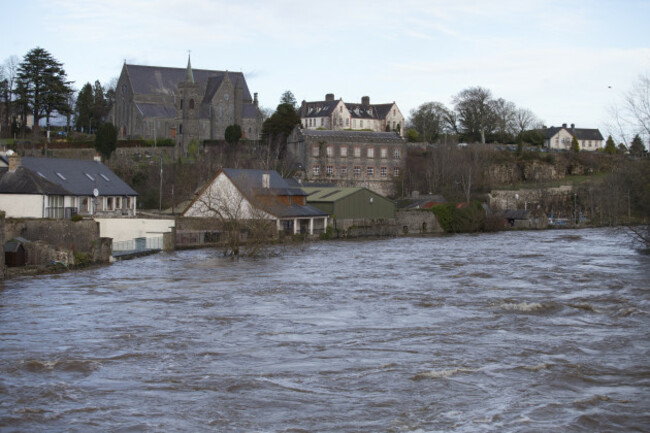
The conclusions are sobering:
Put a different way, 26 out of the last 30 years of this century are expected to be as warm as the hottest summer on record.
Or, more apocalyptically, the winter we’ve just been through is likely to be repeated on an eight-yearly basis. Oh dear… Climate change is real and knocking at our door it seems.
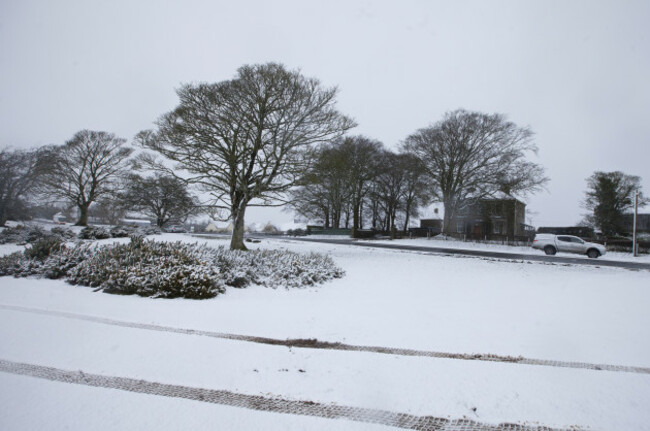
As the study says: “the ramifications of these changes are not to be taken lightly”.
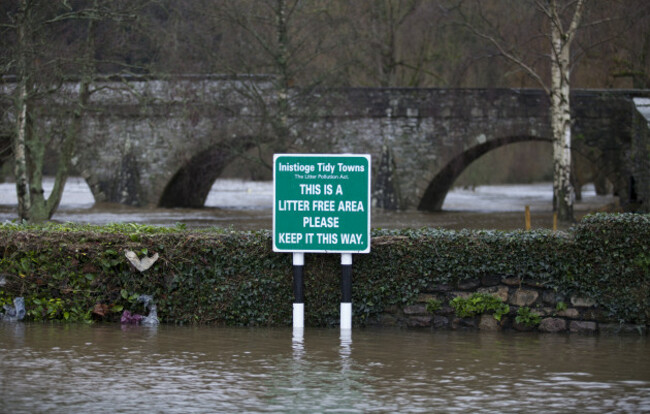
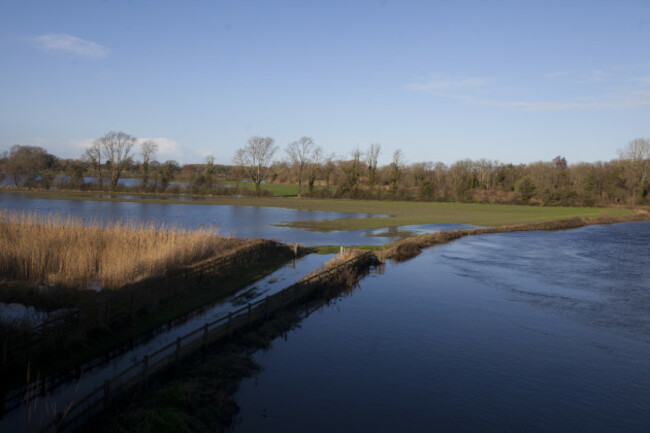
Research has shown that exceptionally hot temperatures in an Irish context have a significant effect on the normal mortality rate in our temperate climate, while increasingly wet winters “imply a significant challenge for water resource management and agriculture”, a fact not likely to be lost on those Irish people who saw their homes and farms devastated by flooding last December.
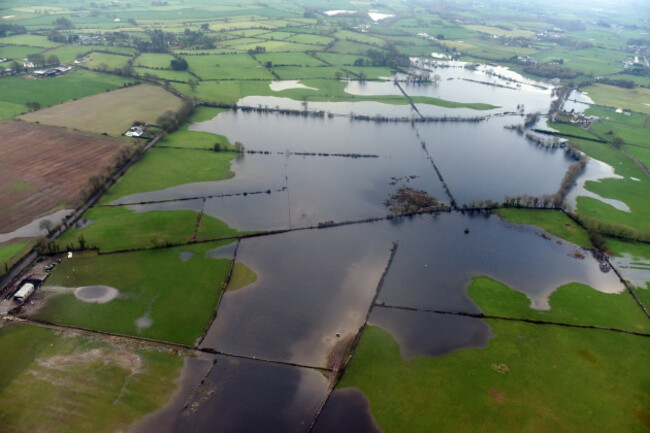
“There is an undeniable need for us all to reduce our emissions and plan appropriately for climate change,” says one of the paper’s authors Dr Tom Matthews, previously of Maynooth and now at Liverpool John Moores University.
However, there’s a common perception that climate change is distant from people’s lives, and this reduces public engagement with the issue. The impetus behind this research was a desire to combat that.
“By contextualising climate change relative to extreme weather that people have observed in their own lifetimes, it is our hope that this research will provide a more tangible reference point for a wide range of audiences,” says Murphy.
Fingers crossed.
You can read the full report here.

To embed this post, copy the code below on your site













have your say