Sign in. It’s quick, free and it’s up to you.
An account is an optional way to support the work we do. Find out more.
Sign in. It’s quick, free and it’s up to you.
An account is an optional way to support the work we do. Find out more.
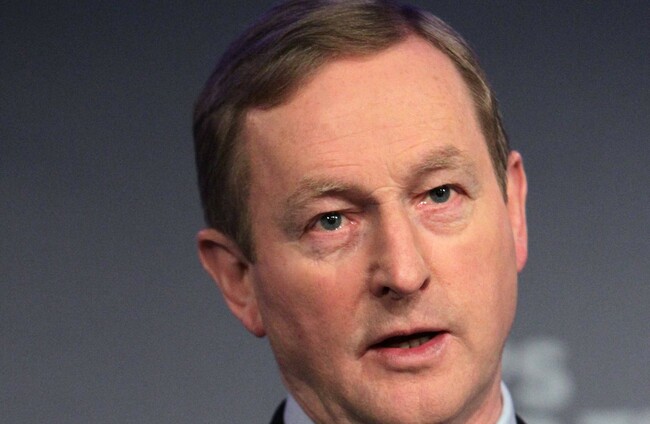
ENDA KENNY HAS said Fine Gael is determined to play its part in providing a government for the Irish people following the uncertain outcome of the general election.
In a statement issued this evening, the Taoiseach said that the party will formulate a set of principles in the coming days that will guide Fine Gael’s participation in a future government.
Fine Gael will be the largest part in the next Dáil, with either 50 or 51 seats depending on the outcome of the final count in Longford-Westmeath. This is just a handful more than Fianna Fáil which now has 44 seats.
Kenny said the party will engage “fully and inclusively” with other parties, groups and independents to ensure a government is established.
The statement was issued following a meeting of Fine Gael ministers and the cabinet in Dublin today. The Fine Gael/Labour government remains in place until a new one is formed, which is expected to take a number of weeks.
The new and smaller Fine Gael parliamentary party will meet at Leinster House on Thursday morning for what is likely to be a lengthy election post-mortem.
There are mixed views within Fine Gael as to whether Kenny can remain on as party leader, although the consensus is that it’s unlikely he has a long-term future in the role.
While many believe that the immediate priority must be to try and form a government, there are some who think Kenny should go if he fails to be elected Taoiseach – as is currently likely – when the Dáil resumes on 10 March.
Thursday’s meeting is expected to be fraught with TDs having their first chance to outline to the party hierarchy were the election campaign went wrong.
Already one TD who lost his seat, Cork East’s Tom Barry, has called on Kenny to resign, saying he should “gracefully step aside” along with Fine Gael’s general secretary Tom Curran.
“If they don’t deliver, then they have to be held to account,” Barry told RTÉ.
The first meeting of the Dáil will see the election of the Ceann Comhairle and then the election of Taoiseach, with it likely there will be no conclusive outcome to the latter.
Ahead of this, political parties and groupings are holding their first post-election meetings in the coming days. Fianna Fáil is due to hold the first meeting of its enhanced parliamentary party on Thursday in Leinster House.
In his first substantial post-election remarks, party leader Micheál Martin last night proposed that all government formation negotiations should be put off for a month to allow for cross-party talks on widespread Dáil reform.
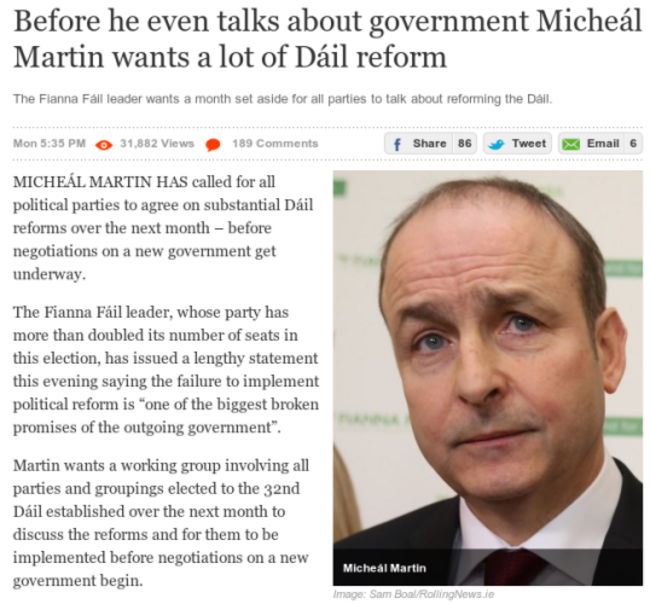
Martin will be putting his name forward for Taoiseach on 10 March with the party hoping to secure support from some independents, including those formerly of Fianna Fáil, for his nomination.
However Limerick TD Willie O’Dea admitted this evening it was “quite possible, probable in fact, that no one will be elected Taoiseach” on Thursday week.
A vastly depleted Labour parliamentary party is likely to meet early next week with either six or seven TDs making up its numbers in the 32nd Dáil. Tánaiste Joan Burton has already indicated that Labour will support Enda Kenny’s nomination for Taoiseach when the Dáil returns.
However, Labour is now firmly of the view that it will not be part of the next government. This evening Burton’s spokesperson said the “onus is on opposition parties and groupings to form a government”.
Elsewhere, the six Independent Alliance TDs met in Leinster House this evening with independent Mattie McGrath also attending the meeting. The possibility of forming a technical group for Dáil speaking rights was among the issues discussed.
A statement said:
The members resolved to act responsibly in the interests of the entire nation in all negotiations over the formation of a new government.
Meanwhile, Mick Barry, the newly-elected AAA-PBP TD in Cork North Central suggested that his party may propose a “radical left nominee” for Taoiseach.
“The basic idea of radical left Taoiseach nominee is something that we should look at it, but it it wouldn’t be myself,” he told TheJournal.ie earlier.

To embed this post, copy the code below on your site








have your say