Sign in. It’s quick, free and it’s up to you.
An account is an optional way to support the work we do. Find out more.
Sign in. It’s quick, free and it’s up to you.
An account is an optional way to support the work we do. Find out more.
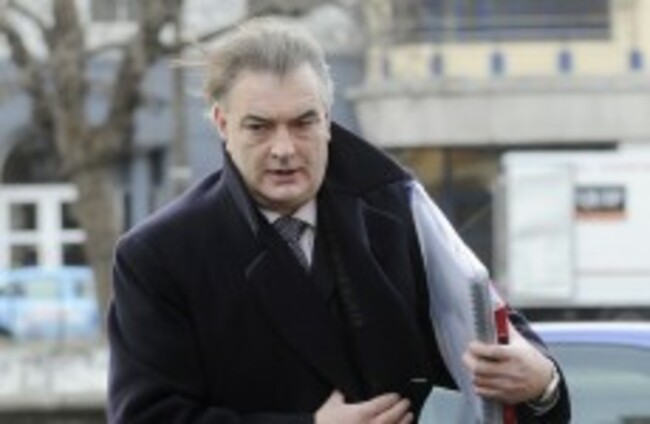
GSOC HAS BEEN given 12 days to disclose statements it received as part of their investigations into a complaint made by Ian Bailey.
The Director of Public Prosecutions has also promised to hand over any relevant documentation.
The High Court heard today from counsel for An Garda Síochána, the DPP, GSOC and Bailey ahead of a case he is taking against An Garda Síochána for wrongful arrest.
Bailey is taking a civil action against the gardaí claiming that he was wrongfully arrested over the murder of French film maker Sophie Toscan du Plantier.
GSOC was told by Judge John Hedigan to hand over statements made to it by Bailey, Jules Thomas, Marie Farrell and Martin Graham.
A questionnaire filled out by Farrell in 1997 is also to be retrieved.
James B Dwyer for GSOC told the High Court that there was only one employee looking through the volume of material relating to the case, something which is causing delays.
Judge Hedigan accepted this and said that this “first tranche” of statements be handed over within 12 days with the remainder within four weeks.
Patrick Giblin acting on behalf of Bailey also told the court that they had already received documents from the Director of Public Prosecution which “tended to show wrongdoing”.
These documents were provided by the DPP on a voluntary basis and the High Court made no order for further documents to be handed over. Instead, the concurred with an assurance made by the DPP that it would hand over any relevant documents they hold.
Bailey’s legal team was also told that it was required to hand over documents which would provide evidence of potential loss of earnings he may have incurred as a result of his arrest.
It was argued that this would be needed to both show that he was at a financial loss and for the State to issue of a defence.
The issues of taped recording was also raised by the State who said there had been a “misconception” about their objection to some of the tapes. They say their concerns related to how they were described rather then their actual use in the trial.
The Judge said the trial was dues to start imminently, as early as November if possible.

To embed this post, copy the code below on your site














have your say