Sign in. It’s quick, free and it’s up to you.
An account is an optional way to support the work we do. Find out more.
Sign in. It’s quick, free and it’s up to you.
An account is an optional way to support the work we do. Find out more.
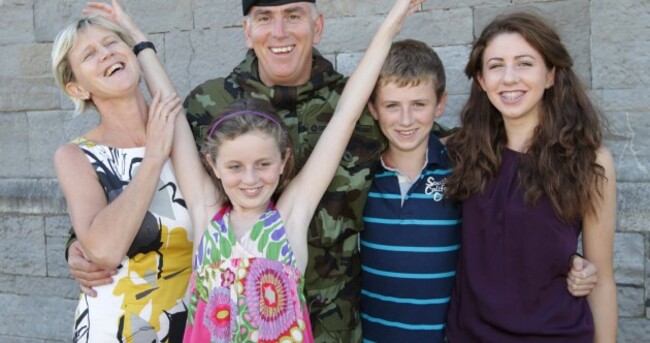
THE IRISH DEFENCE Forces members due to head out to Syria in the coming days took part in the traditional ‘review of the troops’ ceremony in warm September sunshine this afternoon. The ‘first chalk’ of the group is set to fly out to the Middle East tomorrow, with the remainder departing on the 18th.
They will be taking part in the long-established UNDOF mission in the Golan Heights region, on the border with Israel.
Established in 1973 following the Yom Kippur War, the UN mission was set up to maintain the ceasefire between the two countries. Its mandate has been renewed every six months, but this is the first time Irish troops will take part.
Defence Minister Alan Shatter sought to allay safety concerns as he spoke after the ceremony at Cathal Brugha Barracks in Rathmines, saying that safety was always “a primary concern” with every mission.
“We have a very competent and well trained Defence Forces,” the Minister said.
“By virtue of the nature of the work you are going to troubled regions,” he noted, adding that the troops had a “very important role to play” in ensuring the conflict didn’t spill over into a dispute between Syria and Israel.
(Youtube: TheJournalVideo)
The oldest personnel member taking part will be 58-year-old CQMS Tony Fitzgerald, who has completed ten tours of duty so far; his first in Sinai in 1974 as a rifleman. The youngest is 21-year-old Private David Ross.
Drawn primarily from the 2nd Brigade of the Army (which covers the northern half of the country), the troops will be commanded by Lieutenant Colonel Brendan Delaney, who has previously completed tours in East Timor and Lebanon – as well as six months in Syria and a tour of duty with the International Security Assistance Force (ISAF) in Afghanistan.
Brendan spoke to TheJournal.ie about the troops’ preparations, what they will be doing on a day-to-day basis, and the protocol they’ve been trained to observe in the event of chemical weapons attacks:
(Youtube: TheJournalVideo)
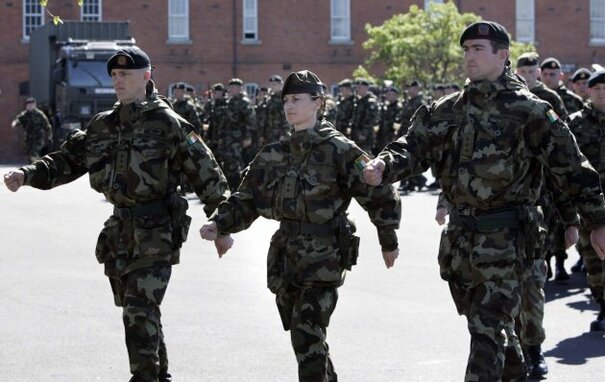
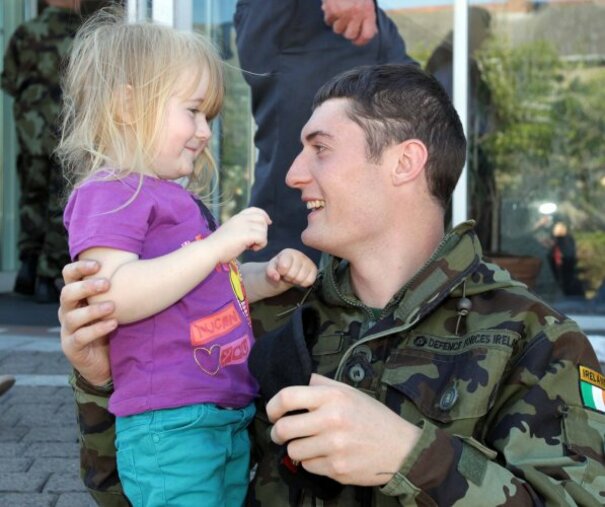
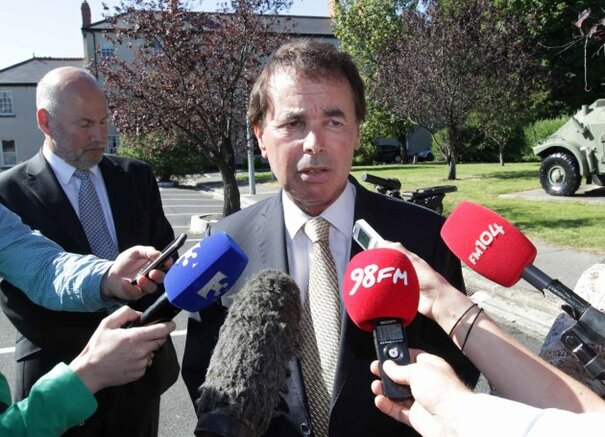
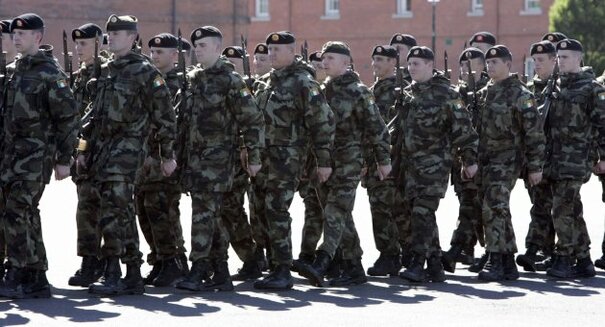
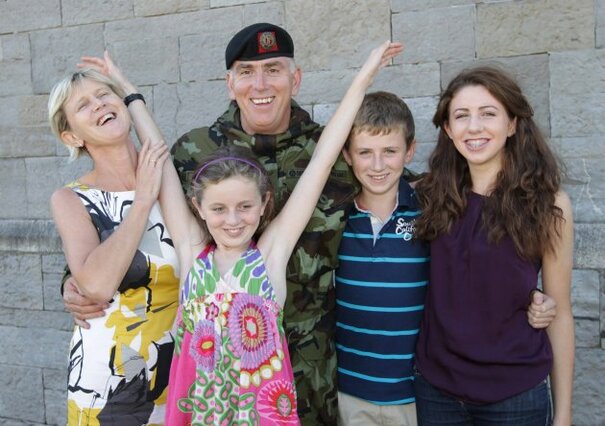
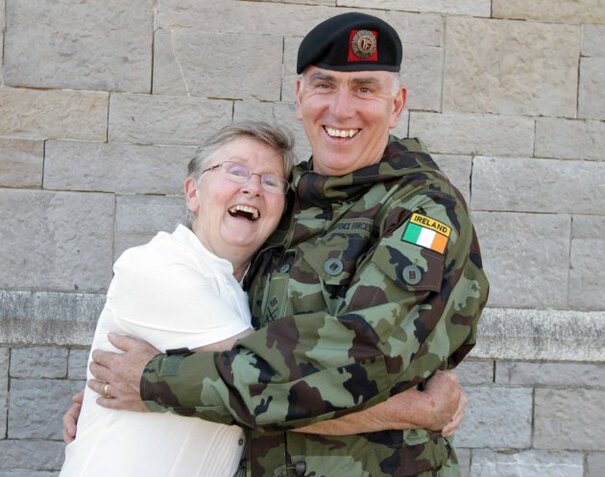
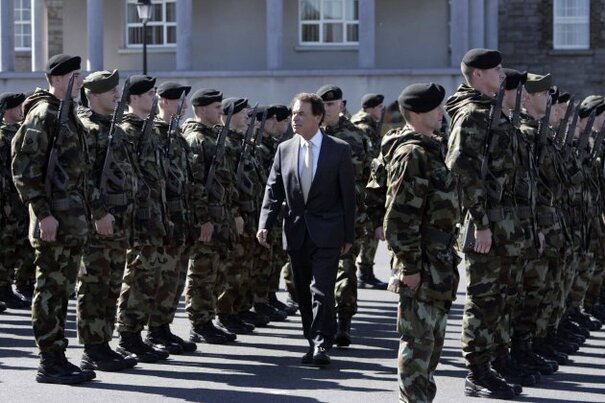
All photos: Mark Stedman/Photocall Ireland

To embed this post, copy the code below on your site


 Source: Mark Stedman" title="">
 Source: Mark Stedman" title="">
 Source: Mark Stedman" title="">
 Source: Mark Stedman" title="">
 Source: Mark Stedman" title="">
 Source: Mark Stedman" title="">
 Source: Mark Stedman" title="">









have your say