Sign in. It’s quick, free and it’s up to you.
An account is an optional way to support the work we do. Find out more.
Sign in. It’s quick, free and it’s up to you.
An account is an optional way to support the work we do. Find out more.

LAST UPDATE | 23 Jul
THE HOSEPIPE BAN that is currently in place across six counties will be extended nationwide from Friday.
This expands a previous ban currently in place for Dublin, south Tipperary and parts of Kildare, Meath, Wexford and Wicklow. It will run until Wednesday 26 August.
Uisce Éireann has said that several groundwater sources across the country are showing signs of stress, with reduced or no yields. For 53 out of 700 (7.5%) of water supplies, nighttime restrictions are also in place.
The water utility has said that the purpose of the ban is to “protect public water supplies now and in the months ahead for homes, businesses, farms, hospitals, vulnerable customers and essential services”.
The purpose of the ban is to safeguard water supplies for “essential purposes”, which means a ban on the use of hoses for “ornamental” uses, including watering a garden, cleaning a car, cleaning a boat, filling a swimming pool, paddling pool, lake or pond.
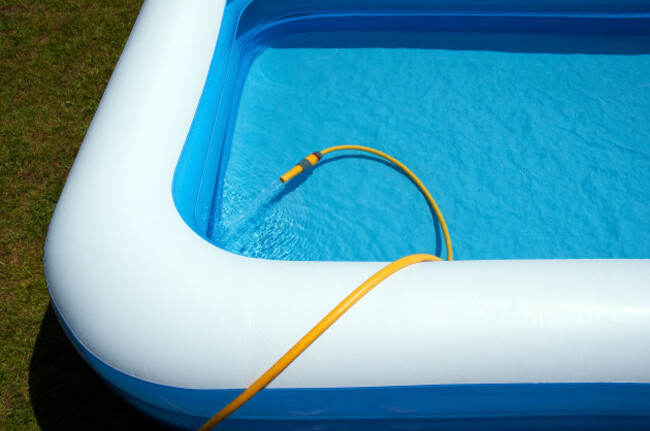
However, people are still allowed to conduct activities deemed necessary, which includes showering, bathing, washing up, or washing clothes.
Filling a pond that contains fish with a hosepipe is also allowed.
Activities that don’t involve a hosepipe, such as filling paddling pools using a handheld container, or watering a garden or plants using a watering can or a handheld container, can also be done.
Uisce Éireann said that it is “particularly mindful of customers who may be vulnerable or have additional water needs”, with people registered as vulnerable receiving direct communications from them regarding outages.
They also encourage anyone who may require additional support due to age, health, disability or medical needs to contact them.

Uisce Éireann has said that the bans “do not apply to commercial customers in the same way”, and only apply to “domestic users and specified non-essential uses of water”.
This means that commercial premises – which include golf courses, racecourses, car washes, and launderettes – are exempt from the ban.
Uisce Éireann said that commercial users are “not restricted in carrying out commercial cleaning at domestic premises”. They, however, are “encouraged to minimise water use wherever possible”.
So, while someone is banned from washing their car using a hose at home, they are allowed to go and use a car wash to get the same job done.
Similarly, hiring a company to water your garden, wash your patio, or wash your car (or boat) is also allowed.
One reader wrote to The Journal about this loophole. “Patio and driveway power washing companies can continue to use thousands of litres of water during hose pipe ban,” she said.
“It’s galling to see water streaming onto roads while people are expected to curtail water for private use. Another example of no joined up thinking.”
Although they’re not required to, some organisations have taken measures to reduce their water use.
Dublin City Council has changed its street cleaning to low-pressure cleaning, which uses up to 50% less water.
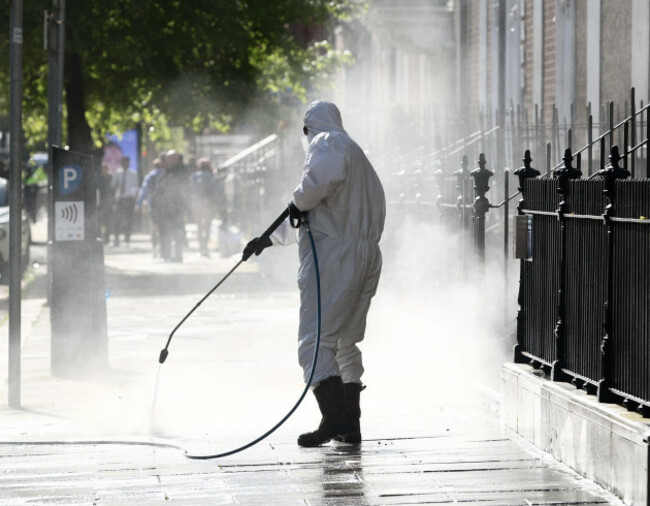
This revised washing schedule will include areas such as O’Connell Street, Henry Street, North Earl Street, Capel Street, Grafton Street, College Green, Parliament Street and Drury Street.
The Lord Mayor of Dublin Daryl Barron said: “Everyone is expected to do their bit and the City Council is no different. Clearly this will have an effect on some operational areas but water is a vital resource and has to be protected during this ongoing spell of warm weather.”
“Our focus is on encouraging voluntary compliance rather than enforcement,” Uisce Éireann told The Journal.
“Our experience during Water Conservation Orders introduced in recent years is that the public has responded positively and worked with us to help safeguard water supplies.
“We are asking people to take personal responsibility for their water use and help protect supplies for homes, hospitals, businesses, farms and other essential services during this period.
“Customers who do not comply with a Water Conservation Order may be subject to penalties under the Water Services Act, however our priority is supporting public awareness and cooperation rather than enforcement.”
Research conducted during the first quarter of 2026 by Ipsos/B&A found that 31% of those surveyed described themselves as being ‘unengaged’ when asked how much attention they normally paid to conserving water.
To reduce water use, the utility recommends checking that your home is leak free, and fixing dripping taps, cisterns or pipes. Turning off the tap while brushing your teeth can save up to six litres per minute. They also recommend choosing showers over baths, and only running full loads of washing.
Uisce Éireann is asking people to report leaks to the utility online or by calling 1800 278 278.
People can also use their online water calculator to better understand their household water use and identify ways to save water.
To embed this post, copy the code below on your site










have your say