Sign in. It’s quick, free and it’s up to you.
An account is an optional way to support the work we do. Find out more.
Sign in. It’s quick, free and it’s up to you.
An account is an optional way to support the work we do. Find out more.

LAST UPDATE | 13 Jul
UISCE ÉIREANN IS set to impose a six-week hosepipe ban on six counties across Ireland from later this week.
The ban will be implemented from midnight this Thursday until 11.59pm on Wednesday 26 August in areas of the country that are experiencing shortages in water supply.
The affected counties include Dublin, Kildare, Wicklow, Meath, South Tipperary and coastal areas in Wexford.
The utility says the purpose of the ban is to safeguard water supplies “for essential purposes following a period of exceptionally warm and dry weather, which has placed sustained pressure on water treatment plants, treated water reservoirs and the wider network”.
“We’re asking people to conserve water for essential use only and restrict the use of hoses,” Margaret Attridge, head of water operations told The Journal.
This includes washing cars, filling pools, cleaning driveways or any other ornamental use of water.
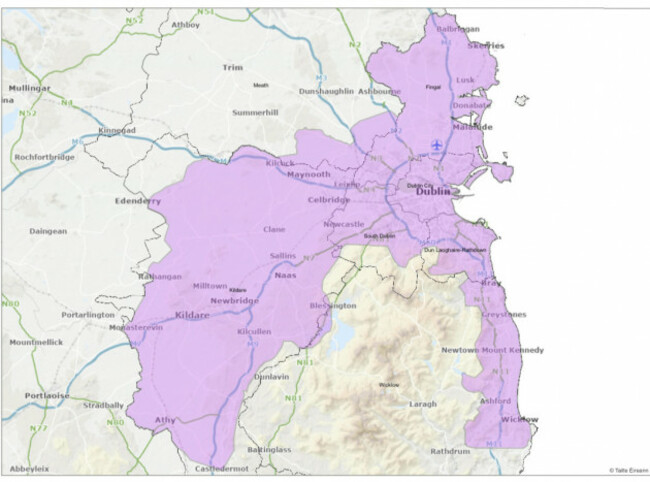
Use of water for hygiene or health purposes is not restricted by the ban.
“Usage has increased by 20% per day last week, and that’s primarily with people outside watering their gardens and cleaning their driveways, so that’s why we’re moving ahead with the water conservation order,” she added.
The utility said that the order will apply only to the affected areas, but appealed to all customers across the country to reduce non-essential water use while supplies remain under pressure.
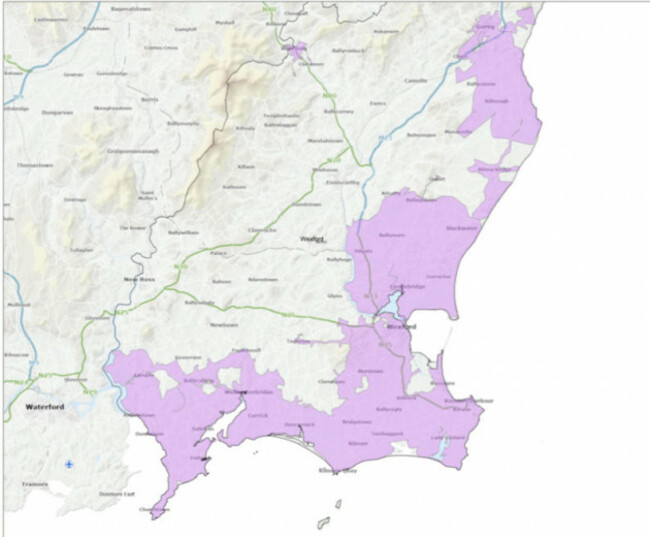
Nighttime water restrictions are in place in 40 areas, stopping access from around 10pm at night to 7am the next morning.
Tankering schemes are also in operation, taking water from areas under pressure to areas that have shortages.
Uisce Éireann also made an urgent call to the public to not use a garden hose over the weekend as drinking water usage remained ”exceptionally high”.
It comes as usage in the greater Dublin area recently reached 693 million litres, around 50 million litres above the year-to-date average.
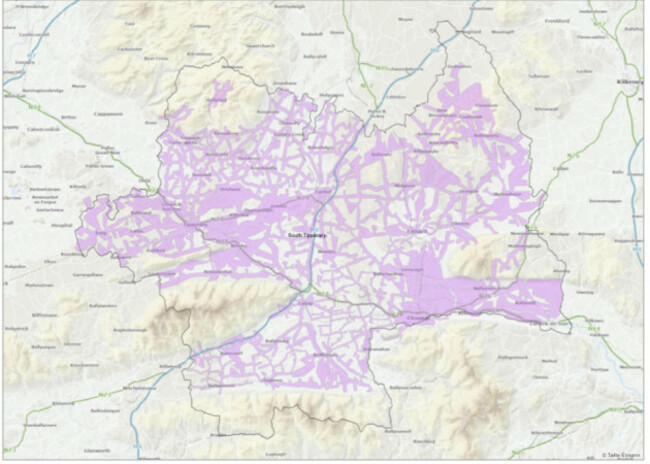
Supplies are also under pressure in parts of Wexford and south Tipperary, where water treatment plants are producing significantly more water each day than the average daily demand recorded in 2025.
“If the demand goes down, and we can sustain our treatment plants that can match the production demand, we may be able to lift sooner than that,” Attridge explained.
“We really need to protect our water sources to make sure we have supplies and to keep communities open with water during the day, particularly the likes of hospitals and care homes. We really need to protect water for those sources.”
Uisce Éireann said that customers nationwide can reduce non-essential water use by a number of measures, including the below:
With reporting by Eoghan Dalton
To embed this post, copy the code below on your site











have your say