Sign in. It’s quick, free and it’s up to you.
An account is an optional way to support the work we do. Find out more.
Sign in. It’s quick, free and it’s up to you.
An account is an optional way to support the work we do. Find out more.
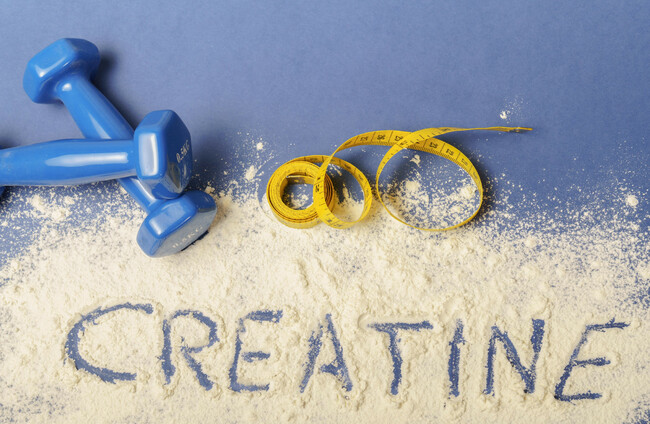

HALLE BERRY SWEARS by creatine for reducing brain fog. But does it work, and are there other benefits to creatine for women? Here’s what the science says…
The 59-year-old actress has been vocal about her peri menopausal symptoms – and her attempts to figure out what works and what is ‘bullsh*t’. Having reportedly sought help and been dismissed, receiving several misdiagnoses, she has been vocal about her independent research.
Berry says she is meditating, eating more carbs, switching from aerobic exercises like running to heavy lifting, making sure she gets enough sleep and experimenting with vitamins and supplements.
As well as magnesium, Halle has admitted to taking creatine despite previously thinking it was only for bodybuilders and bulking.
“I thought I would never take creatine – that’s going to blow me up – no… girl needs that, she said on a podcast, adding that it ‘helps with brain fog.’
Creatine is one of the most popular sports supplements available and has become a mainstay for sports enthusiasts, convinced of its ability to build muscle, improve strength, boost power and speed and maximise performance.
Additional benefits widely reported include its ability to boost brainpower, memory, bone health and mood.
While most of the research on this wonder supplement has been conducted on men, there is growing evidence of its benefits for women, with reports of its ability to reduce premenstrual symptoms and provide benefits during pregnancy, as well as postpartum and during menopause.
Creatine is a natural compound made from amino acids that helps your body produce energy during short, intense activities like weightlifting or sprinting and helps the body to recover more quickly between exercises.
This makes it possible to work harder during training sessions; some reports outline 20% greater performance gains when taking creatine supplements.
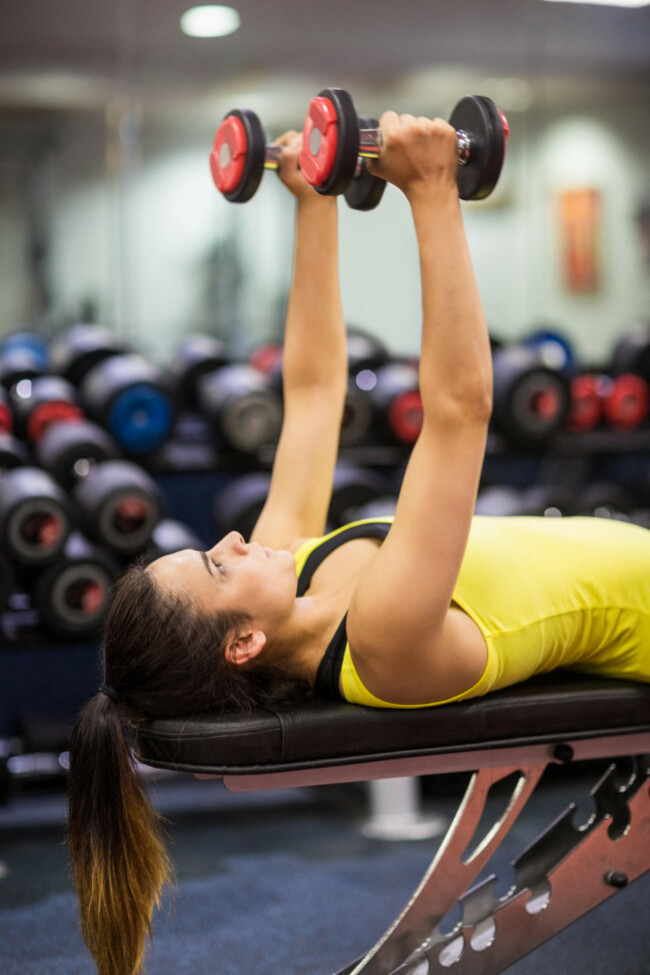
It is mainly stored in the muscles, but also in the brain. Foods high in creatine include salmon, chicken, cod, tuna, beef and pork. Because the body does not store much creatine, and cooking can reduce creatine content, supplements can provide additional creatine that boosts short-term energy stores.
If you are considering taking creatine, here’s the science of how it works.
When you perform short explosive movements, like heavy lifting or sprinting, muscles burn through energy stores, Adenosine triphosphate (ATP) in seconds, converting it to adenosine diphosphate (ADP) that acts like a drained battery.
Creatine, stored in muscles as phosphocreatine, instantly donates a phosphate group to turn ADP back into ATP. Supplementing natural creatine stores can lead to fast recharging of cellular energy, allowing maximum effort to be sustained for longer.
Vegans, vegetarians and women tend to have diets lower in creatine and lower overall body stores, although women do tend to store a bit more creatine in their muscles than men.
With older age comes inevitable hormonal changes, gradual loss of muscle and bone density, as well as declines in energy and concentration. Resistance training can mitigate some of these effects – particularly boosting muscle mass, bone density and energy levels.
Creatine improves exercise performance. One study in the Strength and Conditioning Journal (2016) found that exercise performance in women improved by 15% after creatine supplementation for 10 weeks. This was more than double the benefits in men (6%).
The experts suggest that the benefits include increased energy availability through faster ATP turnover as well as delayed neuromuscular fatigue. In other words, you get tired less quickly, meaning that you can go on for longer.
AS well as improving ATP energy reserves, creatine has been shown to promote muscle growth. This has led to the European Food Safety Authority recommending creatine supplementation (3g daily) for improved muscle growth in adults over 55 years who engage in regular resistance training.
There is growing interest in the potential benefits of creatine supplementation for brain health. A paper in Sports Medicine (2023) outlined how creatine supplementation can increase brain creatine stores, which may explain some of the positive effects on measures of cognition and memory, especially in older adults, particularly in times of stress and sleep deprivation.
Recent research in the Journal of the American Nutrition Association (2026), suggests that creatine may improve brain health, cognition and possibly mood in older women.
Early but promising studies suggest creatine supplementation may improve cognitive scores in Alzheimer’s patients and reduce mental fatigue. It may also be an effective adjunctive treatment for depression.
A paper in the American Journal of Psychiatry (2012) found that depressed women who took 5g/day of creatine monohydrate had earlier and greater symptom decrease than women who took an antidepressant plus placebo. Remission rate was twice as high for the creatine group (52%) compared to the placebo group (26%).
Creatine supplementation may improve sleep quality in peri-menopausal women, according to a paper published in the Journal of International Society of Sports Nutrition (2025).
However, the accumulation of high-energy phosphates in the brain has the potential to buffer the accumulation of adenosine build-up during the day, which promotes the need to sleep at night. This may reduce ‘sleep hunger’ or how much you want to sleep at night. In animal studies, creatine supplementation was found to reduce sleep by about a third (32%), with less deep sleep and less “rebound” sleep after sleep deprivation.
Overall, the research on the effects of creatine supplementation and sleep is limited, but it is possible that creatine may reduce sleep duration by reducing ‘sleep hunger.’
The short answer is ‘probably’, but we are not definitely sure – it is difficult to study supplement use in pregnant women. Based on long-term animal studies, there is no evidence that taking a creatine supplement has adverse effects during pregnancy.
Potential benefits of creatine while pregnant include helping protect the baby’s brain, reducing newborn mortality in cases where oxygen flow is reduced during a difficult delivery, providing energy to the mother during pregnancy, helping repair muscles and reduce inflammation during postpartum recovery, and reducing brain fatigue or ‘pregnancy brain.’
The evidence we have seems to be that it is probably safe, but no research can conclusively say for sure. Keep in mind that some supplements can contain contaminants. A good policy is to speak to your doctor first, especially if you have any medical conditions, and discuss what product, if any, is most suitable during pregnancy.
A common misconception is that creatine supplementation causes weight gain, bloating or gastric upset. The expert advice is that this belief is based on original bodybuilding methods involving a creatine loading phase to quickly saturate the muscles. But this loading phase is not necessary for long term benefits and skipping it may reduce water retention.
Creatine is known to increase muscle mass that can over time lead to weight gain on the scales, even if your waist circumference hasn’t changed. Skeletal muscle is denser than fat and water, so it weighs more. In terms of fat, research suggests that creatine supplementation doesn’t cause an increase in fat mass, as a standard 5g doesn’t contain any calories.
Some older reports have suggested that creatine might worsen kidney function in people who already have kidney conditions. But studies in healthy people who take creatine have not found that the supplement harms kidney function when taken at recommended doses.
Creatine has long been hailed as a supplement for sports-hungry men, intent on building up their muscles in the gym. Emerging evidence suggests that a small amount of creatine daily, when paired with a healthy lifestyle and resistance training, may boost women’s health by improving sports performance, building muscle and supporting brain health and mood.
Most experts generally recommend a daily dose of 3 – 5 g, as this is what is most commonly studied, although larger doses may be needed for brain health benefits.
Always consult a healthcare professional who can advise on dose, potential interactions with other medications and general safety.
Dr Catherine Conlon is a public health doctor in Cork.
To embed this post, copy the code below on your site
















have your say