Sign in. It’s quick, free and it’s up to you.
An account is an optional way to support the work we do. Find out more.
Sign in. It’s quick, free and it’s up to you.
An account is an optional way to support the work we do. Find out more.
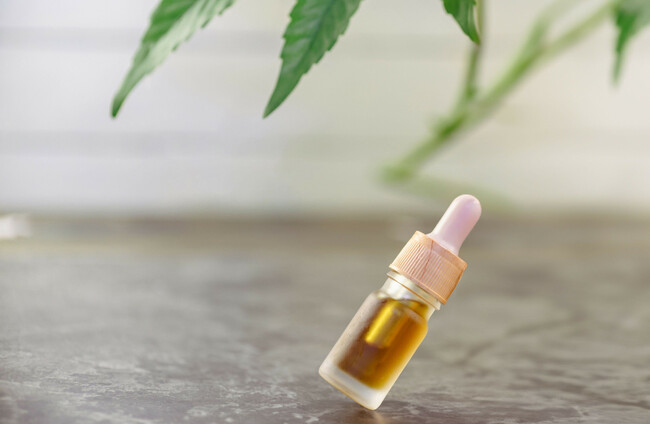
THE COLLEGE OF PSYCHIATRISTS of Ireland is calling for the Government to ban the sale of the semi-synthetic cannabinoid product HHC, warning that there has been a sharp increase in the number of cases of addictions related to the human-made substance and some cases of “severe psychosis”.
HHC produces similar effects to THC, which is a natural cannabinoid found in the cannabis plant. However, HHC is a chemically modified substance.
It is currently available in Ireland in vapes and edibles but is not subject to legal restrictions as it is not yet classified as a controlled substance.
The College of Psychiatrists is calling on the government to add HHC and any semi-synthetic cannabinoid to the list of prohibited substances for manufacture, distribution and sale.
It is also urging the government to enforce the legal prosecution of businesses and retailers found producing, distributing or selling any version of HHC and other semi-synthetic cannabinoids.
Finally, it is calling on the government to raise awareness of the potential dangers and harms of HHC and similar products, saying it should aim the information campaign in particular at adolescents, young adults, parents and schools.
HHC taken through vaping has resulted in some cases in Ireland of severe psychosis that can take months to recover from, while some users have developed an addiction to the substance, according to Consultant Specialist Addiction Psychiatrist Professor Colin O’Gara.
“HHC has proven to be a potent cannabinoid in our clinical settings, particularly amongst young men,” O’Gara said in a statement.
“It is initially seen to be a harmless drug but can have devastating effects on a young person’s mental health; we have treated young men suffering from severe psychosis as a result of vaping HHC. These individuals can require months of intensive treatment in the in-patient setting with medication to recover from the psychosis.”
Similarly, the Chair of the College’s Faculty of Child and Adolescent Psychiatry Professor Bobby Smyth said that there has been an “extraordinary” explosion in HHC-related addiction among teenagers in a short period of time.
“HHC was only identified in Europe for the first time two years ago; today, we estimate that HHC now features as a component part in about 20% of all presentations to adolescent addiction services in Ireland, very often in combination with cannabis itself,” Smyth said.
One of the worrying aspects of HHC use, he said, is that its potential long-term consequences are unknown.
“It generally takes decades for the medical community to figure out long-term consequences of new substances. Over the past 20 years, we have seen the strength of cannabis rise, leading to an increase in mental illness among users,” Smyth said.
“We know anecdotally that people can experience even more intense reactions from HHC and we have seen cases of HHC-induced psychosis in Ireland, which is particularly worrying.”
“The public need to know that just because a substance is sold in a shop, in fancy packaging, for human consumption, it does not mean that it is safe or tested in any meaningful way. Until proven otherwise, we should work on the assumption that HHC products are going cause the same mix of problems which we see with cannabis.”

To embed this post, copy the code below on your site















have your say