Sign in. It’s quick, free and it’s up to you.
An account is an optional way to support the work we do. Find out more.
Sign in. It’s quick, free and it’s up to you.
An account is an optional way to support the work we do. Find out more.
THE MINISTER FOR Justice has received approval from the government to recommend the pardoning of a man executed in December 1882.
It is now up to President Michael D Higgins – who has previously supported such calls – to issue the pardon for Myles Joyce, who was convicted of the Maamtrasna murders.
If granted, it’ll be only the fourth such presidential pardon since 1937, and only the second posthumous one.
In a statement, Flanagan said that the decision to recommend the pardon was made after considering the weight of evidence in this case that clearly pointed to a wrongful conviction.
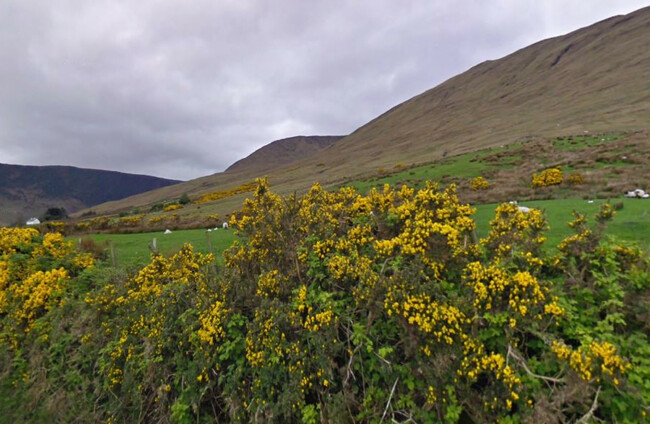
In August 1882, Joyce was one of ten men from the local area who was arrested and charged with the murders of five members of the same family in Maamtrasna, on the Galway-Mayo border.
He was one of three men hanged for the crimes. Before the execution, the other two men admitted separately that they were guilty of the crimes, and said that Joyce was innocent.
At the time, this was deemed insufficient to postpone or revoke the execution and, that December, Myles Joyce was executed along with the other two.
In recent times, then-Taoiseach Enda Kenny commissioned an expert review of the case from Dr Niamh Howlin of the Sutherland School of Law in UCD.
She found a number of factors, including witness statements and the processes and procedures around the trial, led her to form the opinion that an injustice occurred.
Dr Howlin wrote: “In the case of Myles Joyce, it is possible to point to both the legal and lay interpretations and conclude that he was wrongfully convicted.
[The] trial, conviction and execution of Myles Joyce were unfair by the standards of criminal justice at the time.
Commenting today, Minister Flanagan said that a “very high bar must be reached” for the government to consider recommending a pardon to the president.
He said: “This case is very well known, particularly in the west of Ireland, and it is widely regarded as a clear cut case of wrongful conviction and an historic injustice.
Myles Joyce is one individual but in coming to a decision on this matter, I was acutely conscious of the symbolism of this pardon and its importance for that reason. President Higgins has taken a deep personal interest in this case and he and I have discussed it many times. The Taoiseach, Leo Varadkar, has conveyed the decision of government to President Higgins.
A documentary about the murders is due to air next week on TG4, at 9.30pm on 4 April.
President Higgins says in the film: “Everything that happened at the level of the State was horrendous. There was bribery involved. The accused didn’t get a proper chance to defend themselves. There wasn’t an atmosphere of equality and there was no equality as regards legal processes at that time.”
The documentary is based on the book Éagóir, written by former language commissioner Seán Ó Cuirreáin, who has been leading the campaign to have the innocent man pardoned.

To embed this post, copy the code below on your site











have your say