Sign in. It’s quick, free and it’s up to you.
An account is an optional way to support the work we do. Find out more.
Sign in. It’s quick, free and it’s up to you.
An account is an optional way to support the work we do. Find out more.
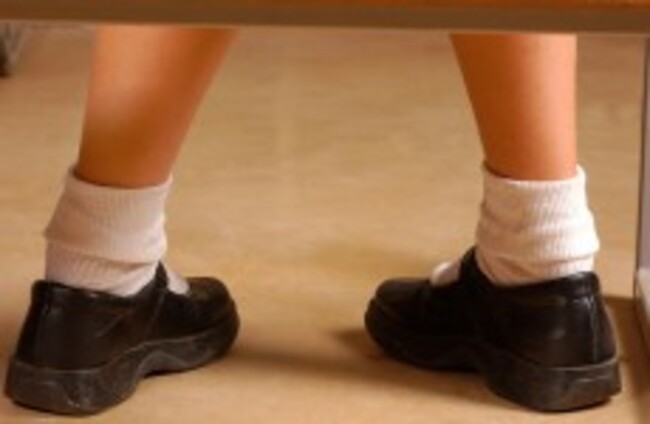
A NEW REPORT on primary schools has found that Irish students are less inclined to like or feel they belong in school than other children internationally.
The report, released by the Educational Research Centre, examined how Irish schools, teachers, classrooms and pupils compare with their counterparts in other countries.
Compared to most other countries, Irish boys in particular are less likely to feel like they belong in their school. However children are more likely to feel safe in school and less likely to experience bullying. Within Ireland, being bullied was most common among boys and pupils in large or urban schools.
Attention
Though the report found that Irish pupils in primary schools are generally engaged in the classroom, teachers reported a widespread problem with pupils coming to class too tired to concentrate.
“This may be related to pupils’ reports that more than half had a TV in their bedroom, and one in five had a computer in their bedroom,” one of the editors of the report, Aidan Clerkin said.
In tests, pupils who spoke English as an additional language tended to do less well than native speakers. Eeemer Eivers, the other editor of the report said that “contrary to popular perception” Ireland has fewer additional-language pupils than most countries.
While these pupils generally liked school, they were more likely than native speakers to report being bullied.
Parents, teachers and curriculum
Though Irish parents almost universally agreed that their child’s school provided a safe environment for them, the report noted that there is much less information on academic achievement given to parents here compared to other countries and homework is used “as a means of communiaction between home and school”.
Irish pupils had more positive attitudes to reading and science than the international averages. However their teachers have below average confidence in their ability to teach science and the report also showed low levels of collaboration with other teachers.
Ireland was one of only three countries where no children could access a science laboratory, it was slightly below average on availability of computers for pupils and students spend considerably less time in science lessons than the international average.
The report also found that the curriculum in Irish primary schools is “unusual” as the reading, mathematics and science curricula are older than those in many other countries.
The average number of pupils in a classroom in Ireland is slightly larger than average (26 pupils, compared to 24 or 25, internationally), but the overall pupil to teacher ratio is in the average range once all teaching staff are considered.

To embed this post, copy the code below on your site








have your say