Welcome to our Public Beta Site - What does this mean?
Dublin: 12 °C Wednesday 22 February, 2012

Column: Prohibiting drugs hasn’t worked – so why are we still trying?

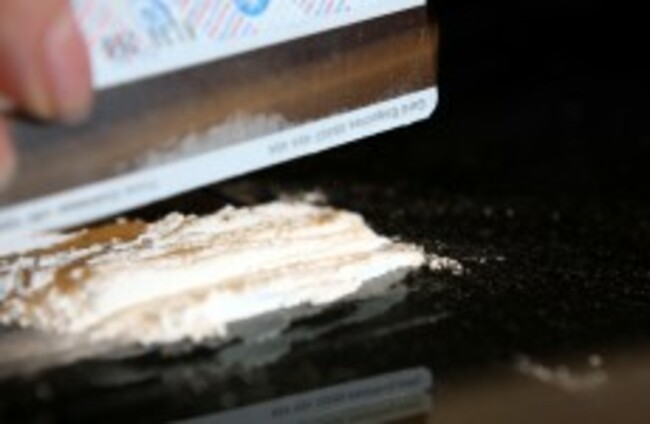
Image: Steve Parsons/PA Archive/Press Association Images

PRESIDENT JUAN MANUEL Santos of Colombia spent two days in London last week. He stated quite categorically that “cocaine is killing my country”, and that cocaine users should refrain because they are contributing to the mayhem in Colombia.

This line of argument emerged from a campaign developed in Colombia called Shared Responsibility. His rhetoric is especially interesting because in the Observer he recently called for a debate on the legalisation of cocaine. So what exactly is he saying, and why is it relevant for the people of Ireland?

First, let’s be absolutely clear – it is not cocaine, or cocaine use per se that is killing his country. The chaos and violence emerges from the cocaine market prospering under global prohibition. This is what creates the violence surrounding its production and supply; in precisely the same way that the prohibition of alcohol did in the US in the twenties. So Santos finds himself in a double bind: whilst he and his government have been highly critical, they are necessarily political supporters of the global war on drugs, a venture initiated and heavily backed by the US and other key allies.

The global prohibition of certain drugs (not alcohol or tobacco of course) for non-medical use came into being with the signing of the United Nations Single Convention on Drugs of 1961. The economics of prohibition means that commodities that are mere plants at the point of production, become worth more than their weight in gold by the time they reach Western consumers. There are now an estimated 250 million illegal drug users worldwide.

Tragically and predictably, by the mid 80s, organised criminals, insurgents and paramilitaries the world over had built huge empires on the extraordinary profits (with margins as high as 3,000 per cent) gifted to them by the prohibition. To confuse matters, the war on drugs was now conflated with the war on organised crime. And so the ‘Drug Problem’ was made manifest.

‘The people of Ireland are tacitly supporting the policy that is killing Colombia’

Most UN member states (including Colombia) are signatories to the UN Single Convention on Drugs – including the Republic of Ireland. And that is why Mr Santos’s statement about cocaine is of direct relevance to Irish people. The people of Ireland are tacitly supporting the policy that is killing Colombia.

But it is not just Colombia. Prohibition – the global war on drugs, is killing many others in Afghanistan, Guinea Bissau and Mexico (where over 40 000 have died in drug related violence since 2006). Ireland is a party to prohibition in principle and in law We are all in this together – it is a shared irresponsibility.

A poll earlier this year, commissioned by the European Commission sought the views of young people on drug policy throughout the EU. The highest levels of support for legalisation were from the citizens of Ireland and France, with 21 per cent saying that legalisation is one of the most effective ways of dealing with drugs.

There is clearly a mood to change policy and law, and at the very least to begin a debate on alternatives. So, why can’t a genuine, high-level debate begin? Fear and ignorance amongst both voters and politicians clearly underlie much of the stasis holding the current policy in place, but ‘politics’ is at least as important.

It is instructive to look at the drug policy trajectory of two world leaders – Barack Obama and David Cameron. Both are former users of illegal drugs and both held reform positions before they reached high office. Once in high office their views apparently shifted to more hawkish, populist positions.

‘Alternative views cannot be tolerated’

The fact is that the long standing system of prohibition has created an environment in which alternative views cannot be tolerated, resulting in the increasingly understood ‘retirement syndrome’, whereby recently retired government officials fall over each other to call for legalisation – freedom from political office allowing them to speak their minds.

Irish support for reform is reflected in the work of Paul O’Mahoney’s, The Irish War on Drugs: The Seductive Folly of Prohibition, in the politicking of Independent TD Luke “Ming’’ Flanagan, and the thoughtful policy development of Sinn Fein. In a recent news story, junior health minister Róisín Shortall – who is in charge of Ireland’s drugs strategy – said she had an “open mind” in relation to Portugal’s decriminalisation model. She said she was “particularly interested” in the country’s “yellow card” system, which warns users about their behaviour and tries to steer them away from drugs.

However, if Ireland is to free itself from the shackles of a policy developed in a bygone era, one which preceded the sixties drug culture and the widespread normalisation of recreational drug use, it will require politicians to step up to the mark and call for reform.

Mr Santos’s position is not completely coherent. He is fighting a war on drugs at the same time as calling for a debate about ending it. However, he has taken a courageous stance in calling for a debate on legalisation and regulation (to understand what this might mean see Transform’s groundbreaking book After the war on drugs – Blueprint for Regulation. He has shown leadership, but undoing the global prohibition will take more than that.

In order to transform drug policy into one that is effective, just and humane, UN member states will need to develop a coalition willing to act in concert to challenge the status quo. They will need to call on their peers to Count the Costs of the War on Drugs and explore the alternatives. This is about turning shared responsibility into something more than rhetoric. Putting in place a system of state regulation and control is no panacea.

However, Ireland can share the responsibility for global drug control and support President Santos in raising the debate on legalisation and regulation. Remaining silent on the issue at national and international levels is no longer an option for Ireland or for any other UN member state, for whom the status quo means support for the killing of Mr Santos’s country.

Danny Kushlick is the head of external affairs at the Transform Drug Policy Foundation. For more information, you can visit Transform’s website, blog, subscribe to their Facebook page or follow them on Twitter.

Already a fan? Complete your signup...

Get breaking news from The Journal.ie via Facebook. Just click 'Like'.

Read Next:

Comments (75 Comments)

  • Anonymous 86 days ago #
    Report this comment

    Join us at Students for Sensible Drug Policy http://www.facebook.com/ssdpireland to help educate students and the public about drugs and more sensible, humane and effective approaches!

    SSDP is an international network of students dedicated to ending the destructive war on drugs.

    Drug abuse is a very real problem but punishment and discrimination only make the problem worse.

    SSDP works to create a world in which drug abuse is treated as a public health issue rather than a criminal justice issue.

    Founded in 1998, SSDP is comprised of thousands of members at hundreds of universities in several countries.

    Currently SSDP chapters can be found in UCC and NUIG but due to administrative ignorance we are still awaiting official recognition.

    Non student members are also welcome!

    Regulate, Educate, Liberate!

    Reply
    • Kevin J Cunningham 85 days ago #
      Report this comment

      I think people are badly missing the main point here. This is about cocaine and the ethical consequences of facilitating the industry. Drug abuse is a problem of the west, where the consequences are only felt along the supply chain.

      Literally, thousands of people die each year as a result of rival gangs attempting to control the production and transport chain of cocaine to the US and the EU.

      Well over 90% of cocaine reaches these two areas. The great paradox is that many of those who might drink ‘fair trade’ coffee, also use illegal, recreational drugs. While some believe in the libertarian principle of ” being allowed do what one wants to do” they are completely ignorant of the consequences of their behaviour. People should not be thinking about themselves, but the many many lives that die so that they can get their fix.

      Homicides as a result of cocaine dwarf the troubles of northern ireland. At the very height of the troubles (in 1974) 294 people were killed. Although many of these were outside of the North, this equates to a homicide rate of approximately 21.

      Nowadays, homicides per 100,000:
      Ireland: 1.35
      U.S.: 5

      Countries in which there is a concentrated route of Cocaine trafficking:
      Honduras: 71
      El Salvador: 67
      Guatemala: 62
      Belize: 29
      Venezuala: 49
      Columbia: 39

      Mexico is much larger and not all of the country is involved in drug trafficking, therefore the rate is diluted:
      Mexico: 15

      Other Latin American countries not on the Columbian cocaine route.
      Bolivia: 8.9
      Peru: 5.2
      Chile: 1.68
      Uruguay: 6.1
      Argentina: 5.5

      Note, though that Bolivia is also a small country with significant production of cocaine, largely exiting via Brazil.
      here’s an old UNODA map:
      http://static.guim.co.uk/sys-images/Guardian/Pix/maps_and_graphs/2009/03/08/DRUG_MAP.gif

  • JeasusBigBalls 86 days ago #
    Report this comment

    Personally I don’t touch drugs and if they were legalized I still wouldn’t touch drugs but I have absolutely nothing against the legalization of drugs, people should have the choice, the idea that the whole country will suddenly become drug addicts once its legalized is laughable. Legalize in a controlled manner, (like California) make money for the state, reduce criminality and let people have the choice.

    Reply
    • Stephie Fitz 84 days ago #
      Report this comment

      all drugs should be legalized… are you nuts? taking drugs is a form of escapism, and a lot of people will take it too far and become dependent. can you imagine the effect this will have on our health system? I don’t think there’s much harm in legalizing marijuana but class A drugs should definitely not be.

    • John Mc 9 days ago #
      Report this comment

      How is that different from the situation we have now? People already take it too far and become dependent. There’s also the fact that properly produced drugs will be less harmful to users than the ones made in someone’s shed. Portugal found that numbers needing medical help because of drugs dropped after decriminalization, also on your logic we should ban drink and fags because of their health costs

  • Anonymous 86 days ago #
    Report this comment
    Reply
    • Jim Healy 86 days ago #
      Report this comment

      After reading the last paragraphs of that article, it sounds like the journalist didn’t read what he wrote in his preceding paragraphs.

    • Paul Mekitarian 86 days ago #
      Report this comment

      The Meath Chronicle? All that paper is good at is telling the locals who was in court. A gossip rag and I know because I know the type who reads it. The Meath Chronicle. What a joke.

    • Mark O'Leary 85 days ago #
      Report this comment

      People keep mentioning the headshop’s in relation to this. How ignorant are you ? Headshop’s did and do sell chemical copies of real, 5 billion years of evolution herbal plant’s. The problems with all these drugs at the moment is the prohibtion law’s that provides a criminal path in the make up(ingredients included) of the drugs and the movement and the facilitation from source to user.
      It promotes gangs, overuse as it’s a fight against the law and is generally bad for everyone in all it’s aspect’s. I would invite anyone to look at the cases of drug related death , i personally believe if the stats were added up that in a heavy majority of cases the cause of death was not the plant or herb itself, but the ingredident’s added to cut the product whether that be speed,cocaine,weed, etc etc .
      This was the a ridiculous policy to put in,in the first place,, an infringement of people’s rights the world over.
      If we have legalised drugs ,less user’s, the attraction would be less after say 6 months – 2 year’s obviously it would take a while, Less gang’s as you would take away their funding and their source of power over people and at least people would know what they are getting .
      Strange that medicial value cocaine is in heavy use by various pharma companies and the leave is used in alot of conoction’s. Big pharma don’t want this, because they don’t want there profits cut if this drugs actually end up having medical uses.

  • Conor Oneill 86 days ago #
    Report this comment

    Most people would try them if they were legal.

    Reply
    • JeasusBigBalls 86 days ago #
      Report this comment

      and what do you base that on???
      If a new brand of cigarette comes on the market does everyone try it? Or a new Whiskey or Beer come on the market does everyone try it?,
      No. If yr into that then you probably will, if yr not you probably won’t.

    • Conor Oneill 86 days ago #
      Report this comment

      I have tried the legal ones .

    • John McHugh 86 days ago #
      Report this comment

      Conor, there is a difference between just legal and legal but regulated. What legal drugs did you try? If your talking about headshops then your talking about drugs which were not regulated.

    • Pilib O Muiregan 86 days ago #
      Report this comment

      So thats why drug use in portugal has fallen since decriminalisation

    • Conor Oneill 86 days ago #
      Report this comment

      Tried alcohol and ciggs. Most importantly they are quality controlled.

    • Niall Mulligan 86 days ago #
      Report this comment

      I don’t think most people have any problems in trying them now – by the time I hit 5th year, half my school had at least smoked a joint, with a smaller number getting considerably more involved. And I don’t think there was anything exceptional about my school.

      Agree with Pilib, Portugal’s a good example of successful decriminalisation.

    • TransformDrugPolicy 85 days ago #
      Report this comment

      99% of people say they would not use hard drugs if they were legalised:
      http://stopthedrugwar.org/speakeasy/2007/dec/05/poll_99_percent_wouldnt_use_hard

    • Paul Mekitarian 85 days ago #
      Report this comment

      You know Conor, they try them if they are not legal too. Doesn’t mean they will like them or get addicted. What a stupid statement.

    • Conor Oneill 85 days ago #
      Report this comment

      Actually Paul, your the one that’s stupid. Really stupid. Illegal drugs are a cancer on society. Portugal has only legalised the possession of cannabis. Could imagine the state of the country if crack, heroin and crystal meth were legal!

    • Dave Harris 85 days ago #
      Report this comment

      Conor, did you not read the article? Did you not see that 40 THOUSAND people in Mexico alone since 1996 have died from drug gang related violence. This figure is far far less than the deaths due to the actual drugs, and if the drugs were not cut with all sorts of crap and their strengths not regulated, then those deaths and harm to people would be far less. The drug gangs only prosper because of the prohibition of drugs. The drug war has obviously not worked.

    • Conor Oneill 85 days ago #
      Report this comment

      There would be 40 000 deaths here in ireland if crystal meth and crack are made legal. They make people aggressive, violent and psychotic!

    • Paul 85 days ago #
      Report this comment

      Been to supermac’s about 4am on a weekend? That’s a legal addictive drug whose withdrawal symptoms can be fatal! The only drug where withdrawal can kill. Nicotine is more addictive than heroin. Clearly you’re in well over your head on this topic. You didn’t address the beat comment so far either…there’s a new brand of brandy or whiskey or cigarettes on the market, do you feel you have to try it?

    • TransformDrugPolicy 85 days ago #
      Report this comment

      Conor – Portugal hasnt legalised production and supply of anything – they have decriminalised the possession of all drugs. See here for details http://scr.bi/vVbGVJ

    • Conor Oneill 85 days ago #
      Report this comment

      If a new beer came out I would try it. There the argument has been settled!

  • Cyril Butler 86 days ago #
    Report this comment

    The origins of prohibition of drugs like the historical prohibition of alcohol are the American evangelical movement. Both have failed. While Im happy with a few beers or a movie as a form of escapism many people use drugs and it is delusional and wrong to try stop them. Humans have a love hate relationship with reality and while religious will get in a huff at this both drugs and religion are the prime form of escapism. If we need any evidence for this just look at every village in 1980s Ireland, the only institutions to survive were the pub and the Church.

    People need to be educated about the potential risks and tough laws against drug driving etc. Then they need to be respected to make their own decisions. Before anyone mentions the vulnerable, at the moment they are getting their stash from hardened criminals and we are throwing them in jail.

    Reply
  • AnaLiffey 86 days ago #
    Report this comment

    Watch this presentation at #NDCI11 by Dr. Goulao who has overseen the current Portuguese drugs policy of decriminalisation:
    http://drugs.ie/multimedia/video/national_drug_conference_2011_dr_joao_goulao

    Reply
    • Paddy Fagan 86 days ago #
      Report this comment

      Apparently it is having good results! For me I reckon some sort of decriminalisation of drugs is needed. The money could be out back into the treatment of the ones who have serious problems. Whilst also reducing the numbers in jail. Which in fact are adding to our drug problems in society.

  • Martin Matthews 86 days ago #
    Report this comment

    Head shops and easy access to unknown mind mood, altering substances worked out well for us as a nation, brought a whole new group of people in drug use, and yes you are right about alcohol,

    Reply
    • John McHugh 86 days ago #
      Report this comment

      Yes, but they weren’t sold as drugs were they? They weren’t regulated as drugs were they? The regulatory process they went through did not regulate them under the assumption that they would be consumed. Its not really the same at all is it? Snorting bath salts. Give me a break, people wouldn’t have been so stupid if there were safer controlled substances available to them.
      In fact research shows drops in drug use in countries which decriminalize them.
      I think what caused the uproar with the head shops was the fact that they were selling uncontrolled unregulated products which lead to deaths. All media uproar stems from the fact the substances are not controlled, how many poor mothers do you want to read about who lost their children because they consumed too much liquid Ecstasy in their drinks.

    • TransformDrugPolicy 85 days ago #
      Report this comment

      Theye were inadequately regulated (effectively unregulated) and no one is proposing that as a model – see Transform’s Blueprint linked in the article

  • Julie Jewels 86 days ago #
    Report this comment

    All ‘war’ is destined to fail, the war on drugs, the war on terror, it’s time for a new and intelligent approach. That old saying about the definition of stupidity is doing the same thing over and over even though it doesn’t work applies here.

    Reply
  • Peter Carroll 86 days ago #
    Report this comment

    The problem is protecting the vulnerable and children. If alcohol was invented today it would not be permitted for human consumption.

    It is obvious that prohibition doe not work and actually creates more problems than it solves. I think goverments all over the world would wish to abolish outright prohibition but how can this be done? Most openminded people would accept that cannabis and normal strength cocaine could be managed but what do you do about heroin or crack. And how do you handle mind damaging substances.

    If you legalise the less harmful drugs will you not drive the illegal trade towards the dangerous toxic stuff. There is no easy answer and I can’t see any main stream party risking losing votes on this one

    Reply
  • Derek Durkin 86 days ago #
    Report this comment

    The reason marijuana is banned is due to big pharma and paper companies. The rest is to keep society in its current state. All drugs are bad 4 u including the legal ones but the war on drugs like the war on terror is all part of a bigger picture.

    Reply
    • Niall Mulligan 85 days ago #
      Report this comment

      Some very interesting research … but little known, for some reason … concluded that addiction is as much a function of traumatic living conditions as of the properties of the drugs themselves:

      “severely distressed animals, like severely distressed people, will relieve their distress pharmacologically if they can.”

      http://en.m.wikipedia.org/wiki/Rat_Park

  • Pilib O Muiregan 86 days ago #
    Report this comment

    he vast majority off occasional drug users in this country dont have a problem. Its when they start using every day or every weekend that starts the problems. Just like the vast majority off drinkers dont have a problem. I am an occasional user, i’m not scum nor have i ever been in trouble with the law. The war on drugs has not or will not work. Yes there is some people whos lives have been destroyed by drugs, theres more people who addiction to the drink ruined their lives. Its not the substance its the person. The vast majority off occasional drug users in this country can go out have their odd weekends fun and back to normal monday morning. Its people who use everyday or every weekend who become the addicts and if it wasn’t drugs it would be something else these people would be addicted to. As for the point that decriminalisation would lead too increase in drug use, look at Portugal. In the 10 years since their liberal laws drug use apart from cannibus has fallen. Americia has some the harsh laws yet the highest % off drug users in the world.
    The major health problems from drugs now is what the cocaine is mixed with, what is in the pills apart from MDMA, and what is sprayed on the weed. Legalise, tax and educate

    Reply
    • Pilib O Muiregan 86 days ago #
      Report this comment

      both Ireland and Columbia could do with the few bob

    • Peter Connolly 85 days ago #
      Report this comment

      I don’t believe that complete prohibition is the way forward but I similarly don’t believe complete legalisation will make things any better. You highlight the high level of people who suffer from alcoholism in Ireland, comparing it to the lower levels of cocaine addiction. Surely you must agree that if cocaine was legalised these figures would change dramatically? As of last year Ireland was fifth-highest for cocaine related deaths in Europe. BBC’s Horizon listed cocaine as the second most dangerous drug, heroin was the only one to beat it.

      I can see the argument for the legalisation of ecstasy or cannabis however cocaine in my opinion is a different ball game altogether…

  • Graham Mace 85 days ago #
    Report this comment

    Drink? Drugs? The real questions should be what’s wrong with the lives we have that make people need to use substances to get their heads out of it.
    Just look at society and the way it’s going, unsurprisingly there’s a lot of despair out there.
    Who can look at the mess we are in and NOT want a different reality?
    Dope is like the atom bomb, you can’t UN-invent it. So regulate it, licence it, tax it even. The status quo isn’t really an option. Just as long as you can prevent users from getting in the driving seat of a car.

    Reply
    • Niall Mulligan 85 days ago #
      Report this comment

      Interesting article here by the guy who set up the “rat park” experiment above, on the roots of addiction.

      That experiment was completely ignored when published … long story short, the findings suggest that previous experiments on rats showing the addictive properties of morphine should more accurately have been described as showing the addictive properties of morphine to solitary rats locked in bare metal cages. Where a more natural environment is provided, with company and distractions, very few rats became addicted, and even rats who had been heavily addicted previously weaned themselves off morphine when introduced to a better environment.

      http://www.cfdp.ca/roots.pdf

  • Dominic McCoy 85 days ago #
    Report this comment

    The “War on Drugs” is one of the biggest failures of modern humanity.
    I can’t think of a single other instance where multiple governments wilfully played into the hands of criminals,for decades.
    The film “Traffic” points out the futility of this conflict brilliantly. At the Mexican/US border 90% of illegal drugs get through, so what could be called a victory? if they spend a billion dollars to decrease that to 80%?

    Its as if governments believe that if people that feel the need to escape reality will suddenly turn into fine upstanding citizens if they can’t get certain substances, instead of realising that these people will just seek alternative methods of escape, this is blatantly obvious with the rise of crystal meth in the heartlands of America. Cocaine and other drugs aren’t readily available, so people just make there own, in their kitchens.

    Maybe its time to treat the nature of addiction in general rather than trying to stick fingers in a dam thats going to over flow anyway.

    Reply
    • Dave Harris 85 days ago #
      Report this comment

      Your right Dominic,
      Another reason governments play into this bullshit of the drugs war is they want something obvious to say ‘look what a good politician I am throwing all this money at them baaaad drug users. It gets them votes, not results.
      One of the many reasons people take dangerous drugs is to escape the reality of no hope for employment or ever improving themselves, or the pain of abusive upbringings, mental health problems or any number of bad things.
      Look at the Australian aborigines who suffer extreme discrimination and the kids sniff petrol, or glue or extreme drinking just to get smashed out of their heads for a while so they can forget the hopelessness for a while. The people who get off their heads on crack or chrystal meth are the same.
      Time to look at how to end poverty and that extreme hopelessness
      Fix that.

    • Niall Mulligan 85 days ago #
      Report this comment

      This is the point, Dave. Hate to harp on, but I’ve been reading some more stuff off Bruce Richardson’s website this evening, find it hard to disagree with anything he says on addiction – attributes much of it to cultural dislocation:

      “The English colonial empire overran hundreds of native tribal groups in Western Canada in the 18th and 19th century. The native people were moved off expansive tribal lands onto very small reserves, completely destroying the economic basis of their cultures. Their children were taken from their parents and sent off to “residential schools” to be taught the white man’s culture so they could be assimilated. They were forbidden to speak their native languages and found themselves strangers in their own communities when they finally came home.

      Prior to the colonial conquest, the native people had some serious problems, of course, including frequent tribal warfare, with prisoners being killed or kept as slaves. Mental illness, personal betrayals, and epidemic diseases occasionally occurred in pre-colonial tribes. Basically, native people had all the problems of their English colonizers except one. There was so little addiction that it is very difficult to prove from written and oral histories that it existed at all.

      But once the native people were colonized alcoholism became close to universal. There were entire reserves where virtually every teenager and adult was either an alcohol or drug addict or “on the wagon”. There still are a few reserves like this. Addiction was not limited to alcohol, but eventually encompassed the full range of addictions found in the wider society: drugs, television, gambling, Internet, dysfunctional love relationships, etc.

      At first, the English settlers explained the universal alcoholism of the natives with the a story of genetic vulnerability. They said “Indians just can’t handle liquor” and tried to solve the problem with strict alcohol prohibition. That didn’t work and most people don’t believe the genetic vulnerability story anymore.

      So why did universal addiction strike the colonized natives of Western Canada and the world as well? Certain parallels between the problems of colonized human beings and the rats in Rat Park appear to provide an explanation. In both cases there is little drug consumption in the natural environment and a lot when the people or animals are placed in an environment that produces social and cultural isolation. In the case of rats, social and cultural isolation is produced by confining the rats in individual cages. In the case of native people, the social and cultural isolation is produced by destroying the foundations of their cultural life: taking away almost all of their traditional land, breaking up families, preventing children from learning their own language, prohibiting their most basic religious ceremonies (potlatches and spirit dancing in Western Canada), discrediting traditional medical practices, and so forth. Under such conditions, both rats and people consume too much of whatever drug that is made easily accessible to them. Morphine for the rats, alcohol for the people.

      In both cases, the colonizers or the experimenters who provide the drug explain the drug consumption in the isolated environment by saying that the drug is irresistible to the people or the rats. But in both cases, the drug only becomes irresistible when the opportunity for normal social existence is destroyed.”

      http://globalizationofaddiction.ca/articles-speeches/rat-park/148-addiction-the-view-from-rat-park.html

      Sorry for the long quote, think it’s relevant, though. Highly recommend checking out this guy’s site if you have the time and the interest – find his perspective refreshing by comparison to the usual War on Drugs nonsense.

  • Matt Crosbie 85 days ago #
    Report this comment

    People who choose not to use drugs at all seem to have massive convictions about others having their own choice in whether or not to use them. So in other words it’s quite all right for them to nanny the rest who they deem irresponsible. Well speak for yourselves. If hard drugs were made legal I would still choose not to try them, having tried a few in my youth. I fully respect the individuals right to choose over the groups who feel none if us deserve a choice.

    Reply
    • Eileen Gabbett 85 days ago #
      Report this comment

      I do not think people care about other peoples use of illegal drugs except how it impacts on society. At the moment to use illegal drugs involves breaking the law , which uses up a lot of resources .Suiting the minority at the cost of the majority …. Freedom of choice is all very well when it costs nothing, but then nothing is for nothing ….

    • Hanly Sheelagh 85 days ago #
      Report this comment

      Unless of course they are driving on the public roads, operating in our hospitals and generally making decisions that affect other people’s lives- I think that gives the right to people to be concerned about others using drugs.

    • Conor Oneill 85 days ago #
      Report this comment

      I don’t have a job or I am mentally ill. Let’s try crack or meth or sniff petrol. It might help. Stupid argument !

  • Emmet Sheerin 85 days ago #
    Report this comment

    This is a public debate which needs to happen. However, the reality is that at this current time they are NOT legal and therefore illegal drug users must reflect on how their consumption helps to fuel murder, intimidation and the destruction of communities . It is an uncomfortable truth for the recreational drug user. YES, there needs to be public discussion about the legalisation of drugs, and I welcome any such constructive debate. But it is important that calls to legalise drugs don’t distract from the CURRENT reality that drug users are implicated in gangland violence, and that the choice can be made whether or not to contribute to this. Check out this video
    http://www.youtube.com/watch?v=HhoOcotfQ1Y

    Reply
    • Noddy Mooney 85 days ago #
      Report this comment

      Yes the choice is there but to suggest (or believe) we can change the innate behaviour of human beings is ridiculous. It is an uncomfortable truth, but the illegality itself is also (or at leasty should be) an uncomfortable truth. Individual users each contribute in a small way to “murder, intimidation and the destruction of communities” but the illegality contributes on a vast scale.

  • Darren Byrne 85 days ago #
    Report this comment

    Every time this subject comes up, the idea of legalising and regulating classified drugs seems the ideal scenario. It would stop the criminalisation of those not adhering to government approved substance abuse and bring in taxation to the country’s coffers and out of the hands of drug lords and gangsters.
    It’s a shame that, for the government to rake in the tax they’d lose on people switching codes from alcohol to other substances, the prices they would have to charge would mean that there would always be a thriving black market.
    Instead of spending €80 on booze to get hammered, you’d have the choice of spending €15 on E. Now where’s the sense in that for greedy governments?

    Reply
    • Darren Byrne 85 days ago #
      Report this comment

      Let’s face it the country’s biggest fee paying tourist attraction is hardly more than a government approved drug lab!

    • Hanly Sheelagh 85 days ago #
      Report this comment

      @Noddy Mooney,
      “innate behaviour” – whatever happened to right and wrong? There used to be a thing called discipline and it seems to have vanished from people’s lives. People are not addicted to drugs when they take the first one. while there is an ambiguous attitude to consuming ‘recreational’ drugs, there will be people who will dabble in them. What on earth is wrong with people who Re constantly trying to evade reality and don’t say it is because of the situation people find themselves in. During the so-called Celtic tiger era, people were taking illegal drugs just as much and also drugs are being consumed by people who have responsible jobs and who are being depended on to make rational decisions in all kinds of situations. There should be spot checks for drugs in areas where critical decisions are made and on all areas where the public is depending on rationality and safety.

  • Eileen Gabbett 85 days ago #
    Report this comment

    I am very much against drug use, and legalising drugs just would not be good, Why? , it’s no
    t good for society. A person can take drugs morning noon and night for all I care as long as it does not harm another person alive. So it should not involve crime or criminal acts of any kind.
    Unfortunately this is not the case at the moment ,to use drugs it takes a criminal act to purchase them…. The cost , the availibility, hygiene, safety isssues, are all factors in the drug culture .
    Or are there people out there who want to legalise ,supply and pay for the drugs…. through the social welfare ?? It would be disasterous for us all to legalise drugs.

    Reply
    • Shanti Om 85 days ago #
      Report this comment

      Could you please make any sense at all?
      You put forth the very reason legalisation and regulation is required – as an argument against??
      The legal drugs cause more harm to society and to the individual than all of the other illegal drugs put together!!

      As for social welfare paying for drugs, do you not think some of it does anyway? Be that alcohol, nicotine or anything classed as illegal..

      The hygiene issues would be resolved were the industry regulated, as would many of the safety concerns (making them at least as safe as any herbal, pharmaceutical or other legal drug). Taxes generated could help to fund rehabilitation services and education about responsible usage.

      Ever been to Amsterdam? They treat you like an adult there, and most of them aren’t as toke happy as the rest of the world where a perfectly safe plant (and a freely growing fungus) is somehow illegal..
      Like man has any dominion over nature…

      I remember being anti drugs.. Because I was relying on the propaganda I had learned at school, but guess what? Pretty much every single person I know has tried some sort of illegal drugs, myself included, some several times.. And all of them are perfectly upstanding members of the community, most of whom are entrepeneurs, Gardaí, teachers, vets, chemists, IT workers, etc – it hardly destroyed their lives did it?
      The people who get messed up get messed up for a reason, and that is something that needs to be addressed.
      It’s not the drugs to blame, it’s peoples attitudes toward them.

    • Eileen Gabbett 85 days ago #
      Report this comment

      I am anti drugs . Can not be swayed . I have seen too much in my working life for it to be other wise . I am trying to be fair and say that people have the right to choose for them selves and God knows I am not a prude but drugs kill and cause harm . Especially among the poor and the vulnerable.. Thank you for taking the time to reply to my post .

    • TransformDrugPolicy 85 days ago #
      Report this comment

      Eileen – of course can be harmful and ofcourse the most vulnerable and marginalised carry the burden of that harm. the question is which policy and legal framework is going to reduce that. the reform position is premised on a critique of the current punitive apporach. it has been in place and clearly failed, indeed it has been actively counterproductive – it has brought us to where we are. The argument is made that much of what we understand as ‘the drug problem’ is actually problems of prohibtion and the criminal trade it fuels. If the trade was controlled and regulated by responsible govt and public health agencies not only would many of the harms of the trade dissapear but so would many obstacles to dealing with both problematic use and its underlying social causes. We spend billions a year on the utterly failed war on drugs – wouldnt that be better spent on public health interventions we know can actually deliver?

      Its perfectly possible to be anti-drugs and pro-law reform. this is about finding pragmatic solutions that deliver the results we all want. law reform doesnt mean condoning or encouraging drug use – it means accepting that it will always be here to some extent and whilst we can work to reduce use we also need to managing it reduce the harm it causes to users and wider communities in the mean time.

    • Shanti Om 85 days ago #
      Report this comment

      Well if that is what you meant I’m afraid it didn’t seem to read that way to me – my apologies if I was harsh as a result..

      As adults we should indeed have the freedom of choice, but governments aren’t too fond of civil liberty. Sure the EU have tried to outlaw vitamins, minerals and herbs.

      Personally I do not think that teenagers should have access to any type of drug (including alcohol) as adolescence is a critical psychological development stage. But sadly the legal standing of many drugs inversely makes them more readily available to people in this age bracket (a dealer won’t check your id), and that is also wrong and another reason for a responsible, adult approach to this legislation.

      If you personally are anti drugs then by all means, Don’t take them, nobody is suggesting that you do – it is your choice not to. I wouldn’t touch many drugs if you paid me! But at least have some respect for the free will of your fellow adults to do what they wish to themselves (obviously legalisation would need to be accompanied by better education and regulation).

      And thank you for your gratitude :)

    • Eileen Gabbett 85 days ago #
      Report this comment

      Thank you for your reply Transformdrugploicy .I know everything you say makes sense ,and in an ideal world I would accept what you are saying but it just doesn’t work that way, for me… Of course it can be possible to be anti drugs and pro law reform. But its not that easy or simple . People commit atrocious crimes, inflict terrible injuries upon themselves and others and cause themselves so much mental and emotional anguish . Thanks again ,and who knows maybe there is a solution out there ….I believe in freewill .

  • Brian Rogan 85 days ago #
    Report this comment

    Adults should have the right to consume whatever they wish to consume, the war on drugs is a total failure and it always will be, the fact that certain drugs are illegal, only makes them more appealing to young people, indirectly the WOD is actually promoting drug use. The demand for drugs is already there, it always has been and always will be, since the beginning of time man has strived to alter his mind/mood, so the WOD is only serving to line the pockets of criminals, if drugs were legalised, they could be controlled & taxed. A percentage of the revenue generated could be put aside for drug/addiction awareness (education) & rehabilitation programmes.

    Reply
  • Marc Mulligan 85 days ago #
    Report this comment

    Could not agree more. I do not take drugs but if someone wants to take them, let them. The government allows us to kill ourselves with alcohol and cigarettes (and McDonalds, and Coca-Cola etc.) and makes a fortune taxing them. Let’s legalise drugs and tax the hell out of them. The “war on drugs” is a never ending, pointless activity. If people want drugs, then drugs will be provided. That is reality.

    Reply
    • Tom Neville 85 days ago #
      Report this comment

      We’ll never cure tax evasion either. Are you saying that’s ok?

    • Marc Mulligan 85 days ago #
      Report this comment

      Hey Tom, the impression I have is that more money is spent on policing drug use and drug importing than on investigating tax evasion (I could be wrong, I’m not an expert). + when someone is caught for tax evasion the state then can recoup some money from the evader, that’s good news for everyone (except the scumbag tax evader). When the gardai catch a drug user or dealer the only course of action is to spend approx €100,000 a year imprisoning them. The state receives no money from having caught a drug dealer. I’m just fed up paying for other people’s addictions or use of drugs. If people want dangerous drugs and those people are adults and considered sane, then let them have their drugs. I’m just so tired hearing about this never ending battle between the gardai and scumbag drug dealers.

    • Tom Neville 85 days ago #
      Report this comment

      Fair point. In your earlier post I got the impression that you thought we should give up on drugs as being bad. However we imprison murderers at great cost to the state for the social good, not to recoup money. Personally I think all drug users should be flogged and them made rumage through shit out at the airport when coke smugglers get caught.

    • Peter Connolly 85 days ago #
      Report this comment

      Marc you seem to gloss over the social implications of legalising drugs. Addictions would no doubt rise and along with it muggings, burglary, assaults, etc. I imagine unemployment would also increase adding further burden to our already over stretched social welfare department. I imagine the HSE could also expect further strain and I would think all of this could result in increased taxes for us all.

      Yes this is a bit of an extreme scenario but I wouldn’t be surprised if something similar to this happened.

    • Hanly Sheelagh 84 days ago #
      Report this comment

      Are any of those in favour of freedom of choice etc. concerned about the mental health consequences of taking drugs or the deaths caused, lives ruined, suicides etc. Not to mention the possibility that drugs are contributing to car accidents and even daft decisions being made by people who are in professions and taking drugs?

  • Emmet Sheerin 85 days ago #
    Report this comment

    Hi Noddy. Im not entirely sure what ‘innate human behaviour’ has to do with this. Innate behaviour is something ‘inflexible’. Human decision making on the other hand is not inflexible, but is determined and influenced by a myriad of factors. It is human decision making, which i am concerned with in this regard. You are absolutely right – individual users each contribute in a small way to these tragedies, but unfortunately they don’t necessarily reflect upon this reality. You are of course absolutely right that the illegality of drugs contributes vastly to this issue – this is why i wrote that I welcome the debate on legalisation. But drugs won’t be legalised come this weekend. So until the time comes when they are legalised, i believe it is important to highlight the link between human decision making (not innate behaviour) and gangland violence. This belief doesn’t stem from naivety, but from the experience of changing my own decisions.

    Reply
    • Noddy Mooney 85 days ago #
      Report this comment

      Hi Emmet, I disagree, I think it has everything to do with it. Call it human decision-making (innate or otherwise) if you prefer, but the fact remains; us humans have been taking mind-altering substances since our inception. And no amount of desire, campaigning or wishful thinking will ever change that. If you have made that conscientious decision and if you can help or convince others to do so, then fine, it may help to (ever so slightly) alleviate the scourge of the drug gangs. But it will always be a drop in the ocean compared to the wider problems caused by the illegality of drugs. Hence my belief that the war on drugs was, is and always will be an exercise in futility.

    • Emmet Sheerin 85 days ago #
      Report this comment

      Hi Noddy, you are right, we have been taking mind altering substances since forever. I have no problem with this – none at all. However, we should be concerned when this impacts negatively on others – especially those in communities that are already suffering from socio-economic problems and marginalisation. I have no wild assumptions that my reflections or arguments will even slightly alleviate the scourge of drug gangs. It is perhaps best understood as an act of solidarity – solidarity with the victims of gangland violence and intimidation and a solidarity with the parents and siblings of those murdered (innocently or otherwise). Of course, this logic runs the risk of being easily dismissed as idealism. And i’m sure it will.

  • DashRiprock 85 days ago #
    Report this comment

    the argument for legalising weed is fair enough but coke? Think of any city centre in the country on a saturday night at closing time, not imagine half the people there on coke. and the “99% of people wouldn’t try drugs if they were legalised” seems less like likely after people have had a few drinks

    Reply
  • Tom Neville 85 days ago #
    Report this comment

    An ad campaign showing someone sifting through someone’s shit trying to find a condom full of cocaine would probably do a lot to reduce coke use. Every coke user I ever questioned has always told me that their coke came from a reliable source. No one ever seems to take the coke which was imported in a crack whore’s bumhole.:)

    Reply
  • Leo Daly 85 days ago #
    Report this comment

    What I am seeing here is a lot of support for legalisation, mainly by people who have tried them at some point in their lives. Most say that there was no problem with this. This I find rather surprising, seeing as their purchase of these illegal substances is what is funding the drug gangs and cartels. Wake up! You are part of the problem!

    We also haven’t managed to win the war on drink driving, theft, burglaries, rape etc, etc. Perhaps you think we should legalise these too? If these substances become legal, our kids would have easier access to them, like they do with drink and cigarettes. Let’s not make the problem worse…… and don’t give me the line that kids are getting them anyway, making it legal won’t help. Regulation is a farce too, alcohol and cigarettes are regulated too, and just look at what a great job that is doing.

    As for taking the money from drug cartels, that won’t change anything either, they just become multinational pharmaceutical companies. Just because something is hard, it doesn’t mean we shouldn’t try……

    Reply
    • Peter Connolly 85 days ago #
      Report this comment

      Although I don’t think legalisation of drugs is the answer (especially cocaine), I think one of the points the author is trying to make is that children in the countries these drugs are produced are already the victims of the prohibition of drugs.

      To save the lives of countless children in columbia by legalising cocaine, the cost to Ireland would be to take responsibility for educating and protecting its children from the newly legalised drug.

      Or at least thats what I think he’s saying…

    • Daniel Mallon 85 days ago #
      Report this comment

      A lot of posters here seem to be under the impression that use of drugs is bad, and that drugs should be legalised only because the “war” on them has failed so atrociously.
      This vague notion that “Drug are Bad” or worse “Taking Drugs is Wrong” are the exact reason the war on drugs has, and will, turn on itself. If someone wants to do something, and you don’t want them to do it, there’s a simple test to see who should get their way, and it’s whether or not, how and how much, what they want to do impacts others. If it impacts others generally, you criminalise it, eg. smoking in bars restaurants, underage use etc, if it impacts only those who care about the user, and the users themselves, then it’s not something that should be legislated.
      The simple fact is, drugs generally don’t impact others enough, or in the right way, for people who want to use them to be declared criminals.
      But those who think drug use is Wrong, don’t get that far, they attempt prohibition and it fails, but they keep going until they’ve started a Global War On Drugs, then they blame the drug users for the problems which their war causes.
      It’s both absurd and hypocritical, not only does it actually add to the problems associated with drugs, it prevents any other possible, or even just plausible, strategy from being tried realistically, let alone working.

  • Peter Connolly 85 days ago #
    Report this comment

    As I’ve mentioned above, I don’t agree that prohibition is the way forward however at the same I’m not sure if legalisation would be any better.

    I’ve a question for the author. How exactly would legalisation work? In my opinion drug cartels aren’t just going to disappear because of legalisation. If anything i would have thought legalisation would just add more competion. Yes legal cocaine would be cleaner and safer. However death from cocaine abuse is usually caused by overdose. The best way to prevent overdoses is to restrict the amount available, yes? So to restrict availability you can either restrict the amount a person can buy or, but most likely and, higher the price. So similar to the idea of counterfeit cigarettes by doing this you create a market for lower cost illegal cocaine…

    Now consider there are now two types of cocaine on the street, legal and illegal. Legal is expensive but cleaner, purer and stronger. Illegal is cheaper as its cut with other chemicals but results in weaken effects. A bag of legal cocaine costs 100 euro but it wont last the night. However I can get twice the amount of illegal cocaine for the same 100 euro…

    I think by legalising cocaine you run the risk of creating two markets; two markets with two different strength cocaines. Two strengths gives users the impression they need to do more of the weaker and thus leaves them even more at risk of overdosing.

    Obviously this is a hypothetical situation but I can’t see anything much different happening.

    Reply

Add New Comment