TheJournal.ie uses cookies. By continuing to browse this site you are agreeing to our use of cookies. Click here to find out more »
Dublin: 17 °C Tuesday 21 May, 2013

The greatest rags to riches story of all time

“The man who dies rich dies disgraced” – the amazing life of Andrew Carnegie.

AS THE WORLD plunges head first into a New Gilded Age, we’re taking a look back at the first Gilded Age.

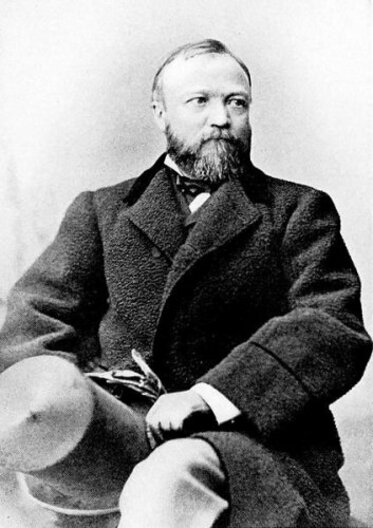
One of the most impressive figures of this era was an immigrant textile worker who became the richest man in the world.

We’re talking of course about the mighty Andrew Carnegie.

The greatest rags to riches story of all time
1 / 16
  • Rags to riches

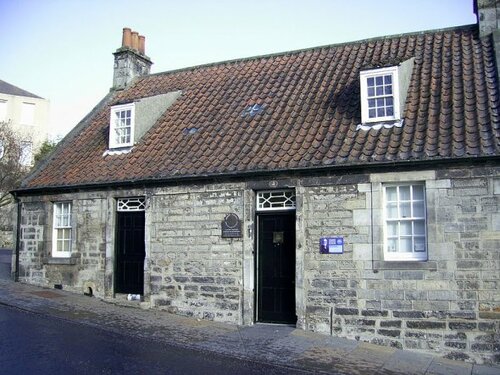
    Andrew Carnegie was born in this small house in Dunfermline, Scotland, in 1835. Image: Kilnburn via Wikipedia Commons
  • Rags to riches

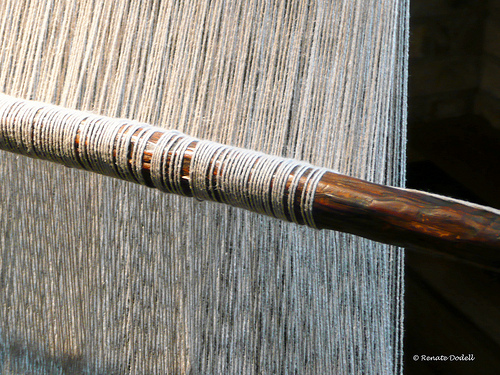
    For generations the Carnegies had been master handloom weavers. But as the industrial revolution introduced steam-powered looms, the family business collapsed. Image: dorena-wm via Flickr/CC
  • Rags to riches

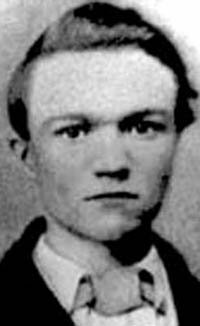
    Carnegie's family became so poor they'd go to sleep early to "forget the misery of hunger." He later wrote "It was burnt into my heart then that my father had to beg (for work). And then and there came the resolve that I would cure that when I got to be a man." Image: Carnegie Library
  • Rags to riches

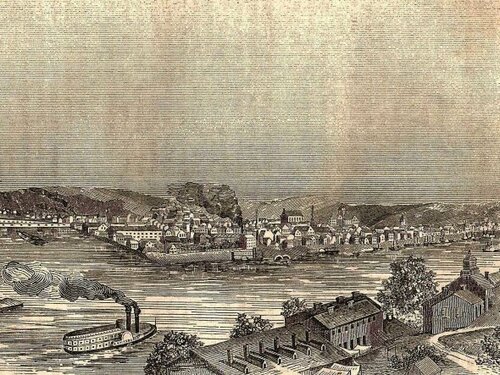
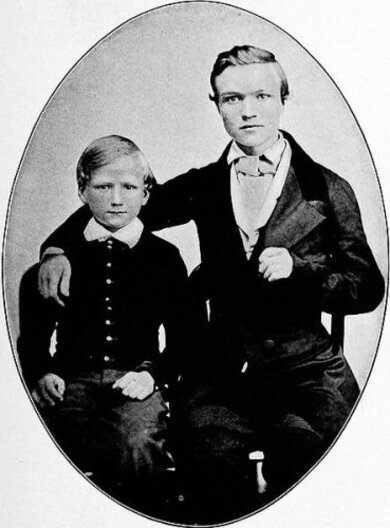
    At age 12, Carnegie moved with his family to Pittsburgh, where his two aunts lived. All of them slept in one room. Image: www.mapsofpa.com
  • Rags to riches

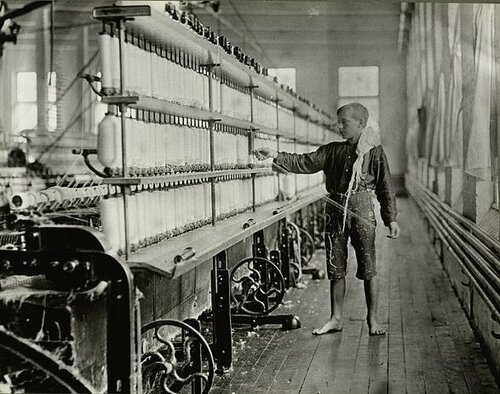
    At 13, Carnegie started working in the boiler room of a textile factory. At night he had nightmares about the boiler exploding. Image: New York Public Library
  • Rags to riches

    Soon he took a job as a messenger at a telegraph office. During the several years he worked here, the teenage Carnegie made an effort to get to know important people around town. Image: Wikimedia Commons
  • Rags to riches

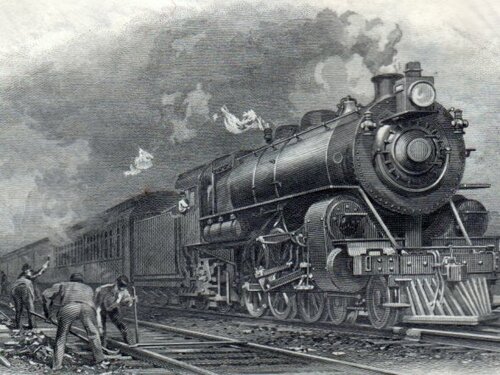
    At age 17, Carnegie took a job as a telegrapher and assistant to a local railroad man for an impressive salary of 35 dollars a month. Over the next decade, he became essential to running the profitable railroad. Image: en.wikipedia.org
  • Rags to riches

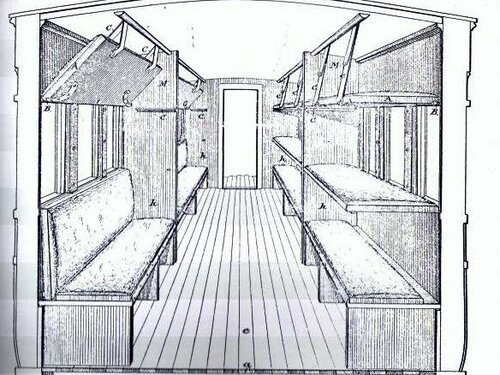
    Carnegie also started investing. A 217 dollars investment in a sleeping car company soon paid 5,000 dollars a year. He helped form a pig iron company to build railroad bridges. His investments became so profitable that his 2400 dollars a year from the railroad amounted to only 5 per cent of his income. Image: en.wikipedia.org
  • Rags to riches

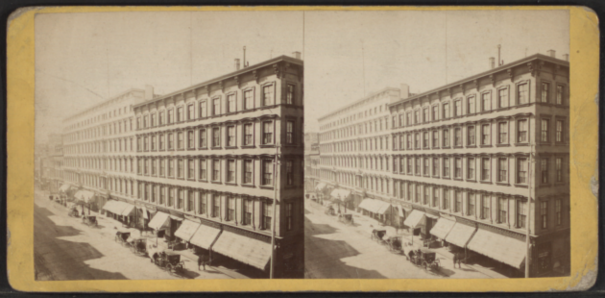
    In 1865, Carnegie left the railroad and moved to New York, where he and his mother took a suite at the fashionable St Nicholas hotel. Image: Wikimedia Commons
  • Rags to riches

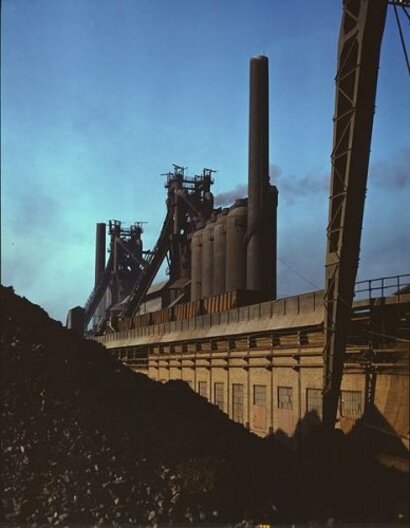
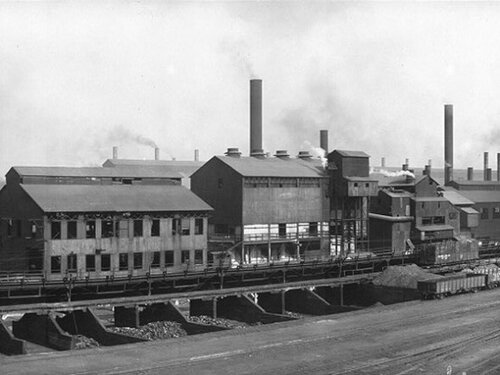
    In 1873, Carnegie organized the first of his steel works. Over the coming decades, Carnegie Steel would grow into an empire — thanks to the early adoption of the new Bessemer process for steel and other innovations. Image: Wikimedia Commons
  • Rags to riches

    "I think Carnegie's genius was first of all, an ability to foresee how things were going to change," historian John Inghan told PBS. Image: Wikimedia Commons
  • Rags to riches

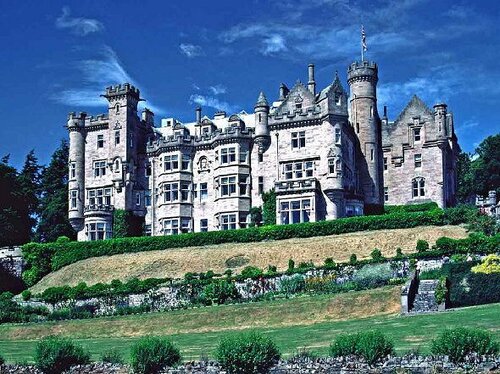
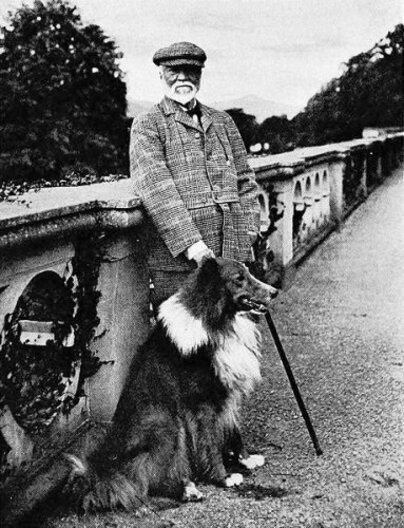
    In 1897, Carnegie returned to Scotland and bought the 40,000-acre Skibo Castle estate. He called it "heaven on Earth." Image: Wikimedia Commons
  • Rags to riches

    By 1900, Carnegie Steel produced more steel than all of Great Britain. Image: Wikimedia Commons
  • Rags to riches

    In 1901, Carnegie, 66, sold his steel company to JP Morgan for 480 million dollars, half of which went to the Carnegie. The combined company was called United States Steel Corporation. Image: en.wikipedia.org
  • Rags to riches

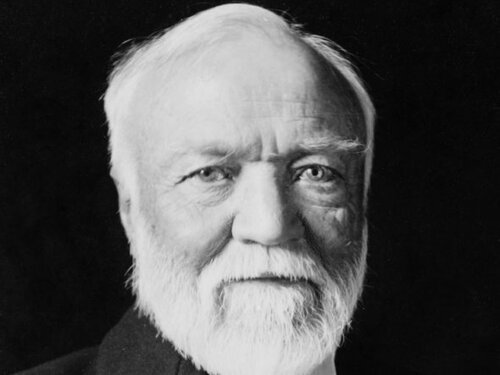
    "Congratulations, Mr. Carnegie, you are now the richest man in the world," Morgan told him. And Carnegie said, "I wonder if I could have gotten 100 million dollars more. I probably should have asked for that." And Morgan said, "If you had, you would have gotten it." Image: Wikimedia Commons
  • Rags to riches

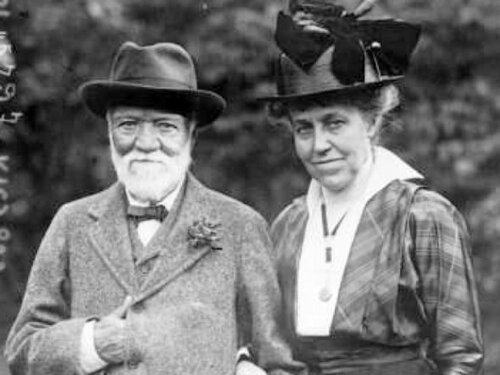
    "The man who dies rich dies disgraced." Living by this motto, Carnegie devoted the last 18 years of his life to philanthropy. He donated to nearly 3,000 libraries, parks, education, arts, and world peace. He said candidly of philanthropy "and besides it provides a refuge from self-questioning." Image: Wikicommons

Article  by Meredith Galante and Gus Lubin and reproduced with the permission of Business Insider

Published with permission from:

Business Insider
Business Insider is a business site with strong financial, media and tech focus.

Read next:

Comments (21 Comments)

  • Aarum 18/11/12 #

    Interesting article thanks

    Reply
  • What a story, what a man..

    Reply
  • I was given Carnegie as an entrepreneur to research for an economics project back in 5th year. I enjoyed every minute of it. Such an inspiration.

    “In his final days, Carnegie suffered from bronchial pneumonia. Before his death on August 11, 1919, Carnegie had donated $350,695,654 for various causes. The “Andrew Carnegie Dictum” illustrates Carnegie’s generous nature:

    To spend the first third of one’s life getting all the education one can.
    To spend the next third making all the money one can.
    To spend the last third giving it all away for worthwhile causes.”

    Reply
  • Fascinating

    Reply
  • You have to admire the men of this era. That honest Presbyterian work ethic and humility never left him.
    I suppose in Chuck Feeney and Bill Gates the spirit still lives on today. The faceless bankers and bondholders who have ruined the world economy should hang their heads in shame.

    Reply
  • There was a great show here in the US about the same fella,’the men who built America’ great history of how the US started and of course the above man was a massive part of it!! Excellent programmer! And yes he was part of that awful killings during the strike! There is always bad with the good eh??

    Reply
  • Suspect this article like his autobiography has been written through rose tinted glasses – as steel production was ramped up longer hours were demanded and pay was reduced to his employees. The investment mentioned likely involved his boss Tom Scott’s insider dealing. He was nearly bankrupt through the building of the St Louis Bridge (over built and over budget). His defence of the deadly Homestead Strike “I got telegraphed too late” is weak with no evidence to back him up. Rockefeller was a far more accomplished business man and had a deep sense of moral duty with measurable impact on humanity all done without the self aggrandising statements of Andrew.

    Reply
  • Aoife Barry 18/11/12 #

    Hi folks – apologies that the figures weren’t visible on the slideshow. The dollar sign was affecting the way they appeared so I’ve removed it and replaced with the word dollars. If there are any further problems, drop us a line at tips@thejournal.ie
    Thanks to all who emailed
    Aoife

    Reply
    • A shame Aoife, that your (plural) sterling efforts are let down by the site infrastructure.

      The one outstanding facet it has, whether the reader agrees with them or not, are the comment threads, which are a mishmash at best in the way they are rendered.

      Nonetheless, thank you, as always for these historical titbits.

      A building here in my hometown bears the “Carnegie Free Library” legend on it’s frontage to this day.

      Reply
  • What amazes me is that Carnegie’s gilded age alumnus John D. Rockefeller was not only the richest person in the world at the time but is considered to be the richest person in history with an adjusted wealth of 664 billion dollars. Absolute insane levels of personal wealth.

    Reply
  • It is also interesting to know that Andrew Carnegie was only 5 ft tall and was very self-conscious about his height. It’s probably not relevant, but I thought as a fellow shortie, that I’d pass that piece of information on.


    Reply
  • is this the same guy who hired a chairman to specifically bully his workers and ended up killing some by hiring the pinkerton agency during a labour dispute?

    Reply
    • do elaborate!

      Reply
    • No, not the same individual.

      Reply
    • i don’t believe he hired Frick specifically for that purpose, Frick became chairmen after their companies merged, though Frick certainly seemed to be ruthless and brutal and perhaps dealt with some of the less savoury elements of their activities.

      One didn’t build massive companies and become the richest many in the world (esp in a time of limited labour laws / worker protection) by being nice, caring and considerate, even if one has a road to damascus experience later in life and seeks to make atonement

      watch the recent history doc series “the men who built america” its very good and covers carnegie in detail (includling Frick)

      Reply
  • He got “0 million”?

    All the figures are just “0″ whats the story?

    Reply
  • google henry frick and also read about the johnstown flood

    Reply
  • Scotland, brave and bonnie

    Reply

Add New Comment