We need your help now

Support from readers like you keeps The Journal open.

You are visiting us because we have something you value. Independent, unbiased news that tells the truth. Advertising revenue goes some way to support our mission, but this year it has not been enough.

If you've seen value in our reporting, please contribute what you can, so we can continue to produce accurate and meaningful journalism. For everyone who needs it.

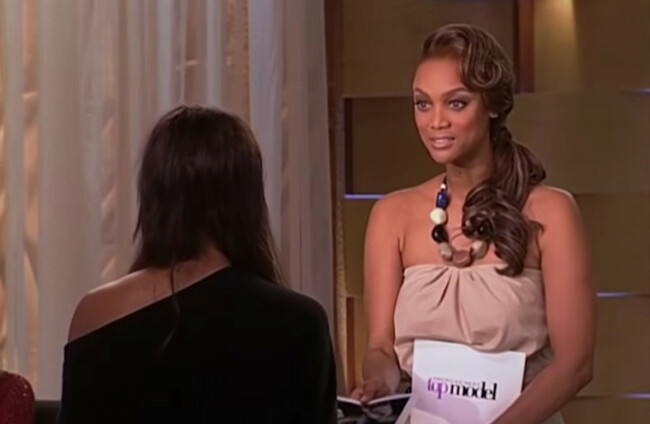
Tyra Banks presenting America's Next Top Model YouTube

What the Top Model docuseries tells us about the evolution of Reality TV (and its viewers)

When America’s Next Top Model resurfaced during the pandemic, body shaming, dangerous challenges and manipulation were laid bare to a modern audience.

WHEN IT FIRST aired, America’s Next Top Model sought to bring diversity to an industry and empower “ordinary” women to feel beautiful.

That’s what host Tyra Banks claims in a new Netflix docu-series, which pulls back the curtain on the 2000s reality show.

The show follows contestants living together and competing in challenges in hopes of being named America’s Next top Model and winning a contract with a major modelling agency, among other prizes.

At its peak, the show drew an audience of more than 100 million. During the pandemic, many people rediscovered Top Model and binged it.

The show, which aired for ten years from 2003, hadn’t aged well. The criticism of the contestants, body shaming and extreme challenges set alarm bells ringing when viewed through a 2020s lens. 

It triggered a flood of criticism on social media – for Banks, the show’s producers and the impossible beauty standards it set for young viewers. 

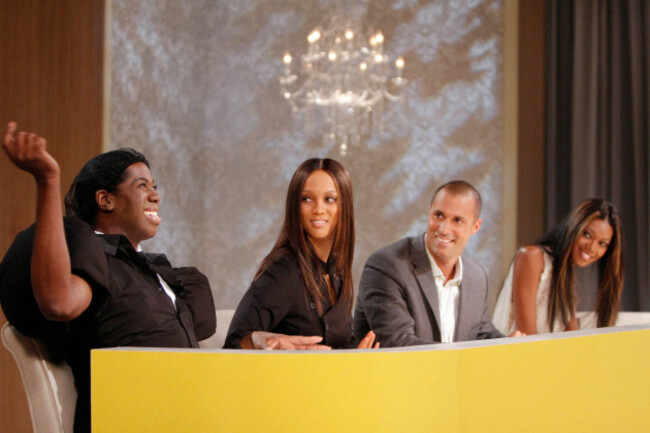
americas-next-top-model-judges-miss-j-alexander-tyra-banks-nigel-barker-jessica-white-petite-ninja-warriors-season America's Next Top Model judges (l to r) Miss J. Alexander, Tyra Banks, Nigel Barker, Jessica White Alamy Stock Photo Alamy Stock Photo

“I remember being hooked and it having a compulsive quality, for better or for worse,” says DJ and pop culture commentator Conor Behan, who first watched the show in his teens.

The competition included quirky challenges with contestants walking a runway while trying to dodge swinging pendulums or modelling bikinis while lying in a giant bowl of Greek salad. Yes, you read that correctly.

Behan said:

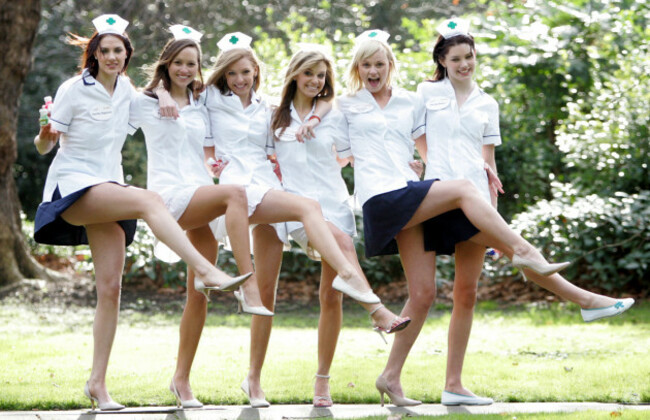
It’s not a million miles from the Irish photocall culture that was rife at the time.

“Tall, pretty girls in very little clothing holding a giant fork and spoon to promote healthy eating week.

“That was the overall energy of that period of time. It’s not to excuse it, though.”

yobliat-essence-launch A 2006 photoshoot in St Stephen's Green for Yoplait Photocall Ireland Photocall Ireland

One controversial challenge involved the models “switching ethnicities”. Their skin was painted a different colour and they wore the traditional dress of another culture.

For another photoshoot, contestants were turned into victims of violent crimes, and special FX makeup was used to give the appearance of gunshot wounds or strangulation.

Contestants were expected to lose weight, shave their heads and even get drastic dental surgery in order to stay in the competition.

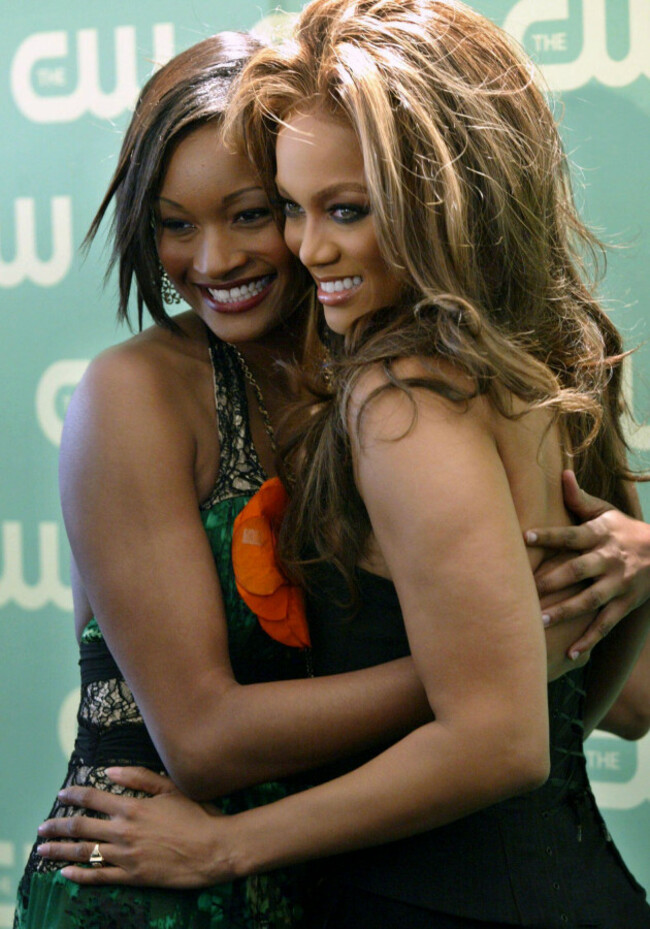
tyra-banks-right-executive-producer-and-host-of-americas-next-top-model-and-danielle-evans-the-shows-2006-winner-pose-as-they-arrive-for-the-announcement-of-the-cw-network-premiere-fall-season In Cycle 6, the show hired a dentist to close the gap in contestant Dani Evans's teeth Alamy Stock Photo Alamy Stock Photo

Orlaith Condon, host of pop culture podcasts The Gaggle and Pod Save Us, said she watched the Netflix docu-series hoping to see Banks and the other producers take accountability, or express “guilt or remorse”. But she was “quite shocked” by how they “missed the mark”.

“Tyra [Banks] came across insufferably in that documentary. There was just no acknowledgement or clear understanding of the role that she played,” said Condon.

She seems to still be totally living in the bubble of success that she created around the show.

Banks came up with the idea for the hit show and was the executive producer, alongside playing host for most seasons.

Condon admits that in the past she too enjoyed some reality shows, such as The Swan – which put women (“ugly ducklings”) through a three-month beauty bootcamp.

“I would admit I was gripped at the time. Looking back years later, that show was horrific. The damage that it caused was horrific,” she said.

Condon said even current programmes, such as Love Island, are changing rapidly.

“They’re constantly trying to measure what is salacious to the viewer,” she said.

“It’s a risk that any producers on reality TV will take as the public discourse will change over the years, and America’s Next Top Model just happens to be a glaring example of that.”

Behan says it’s a positive step that productions are more conscious of their duty of care and that there are higher standards for contestants now.

Real Housewives of New York City star Jill Zarin recently lost her place on an upcoming reboot for saying there weren’t enough white people in the Super Bowl halftime show, among other comments.

Behan says it shows how much the television industry has changed, but he’s not convinced society has transformed to the same degree.

“I would argue the way we’re talking about celebrities and women and pop culture and how we treat them online will be the thing we look back on, versus the TV shows,” he said. 

The makers of Love Island and RuPaul’s Drag Race have repeatedly asked viewers to refrain from attacking contestants personally, but many still face a barrage of hate comments online when they leave their show.

“Social media has its downfalls,” Behan said, “but it can offer you different perspectives”.

In the past, discussion about television was only between family and friends. Now the audience can find commentary from viewers all around the world.

“We weren’t as savvy … how the strings were being pulled was not as clear to us,” says Behan.

“Now, we’re aware of the tricks of the genre.”

The three part docu-series Reality Check: Inside America’s Next Top Model is now streaming on Netflix.

A separate series produced by E! called Dirty Rotten Scandals will be released next month and also touches on the dark side of America’s Next Top Model, among other shows such as Dr. Phil.

Readers like you are keeping these stories free for everyone...
A mix of advertising and supporting contributions helps keep paywalls away from valuable information like this article. Over 5,000 readers like you have already stepped up and support us with a monthly payment or a once-off donation.

Close
8 Comments
This is YOUR comments community. Stay civil, stay constructive, stay on topic. Please familiarise yourself with our comments policy here before taking part.
Leave a Comment
    Submit a report
    Please help us understand how this comment violates our community guidelines.
    Thank you for the feedback
    Your feedback has been sent to our team for review.

    Leave a commentcancel

     
    JournalTv
    News in 60 seconds