We need your help now

Support from readers like you keeps The Journal open.

You are visiting us because we have something you value. Independent, unbiased news that tells the truth. Advertising revenue goes some way to support our mission, but this year it has not been enough.

If you've seen value in our reporting, please contribute what you can, so we can continue to produce accurate and meaningful journalism. For everyone who needs it.

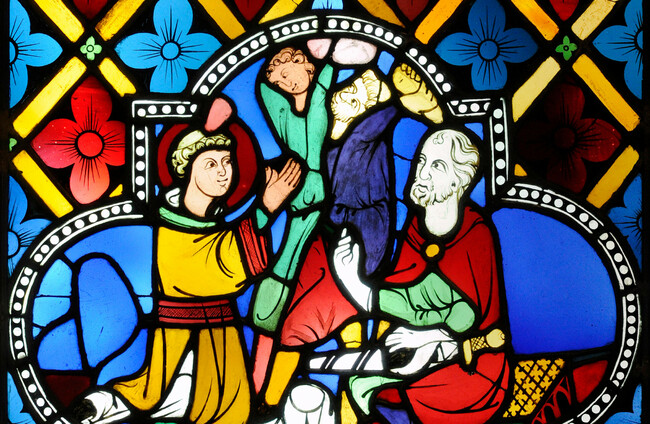
13th-century stained glass panel 'The Stoning of Saint Stephen', located in the Schnütgen Museum in Cologne, Germany Alamy Stock Photo

Why is today called St Stephen’s Day in the Republic but Boxing Day in North?

Today’s public holiday is officially titled St Stephen’s Day in the Republic while the UK Government labels it Boxing Day.

TODAY MOST PEOPLE are enjoying a festive break from work thanks to St Stephen’s Day.

But across the border, people in the North can thank Boxing Day for their public holiday.

Both terms relate to the same date and are also marked by similar traditions but it is the UK that is the outlier in describing the day after Christmas as Boxing Day.

Who is St Stephen?

According the Acts of the Apostles in the New Testament, St Stephen was the first deacon chosen by the apostles and he was “full of faith and the Holy Spirit”.

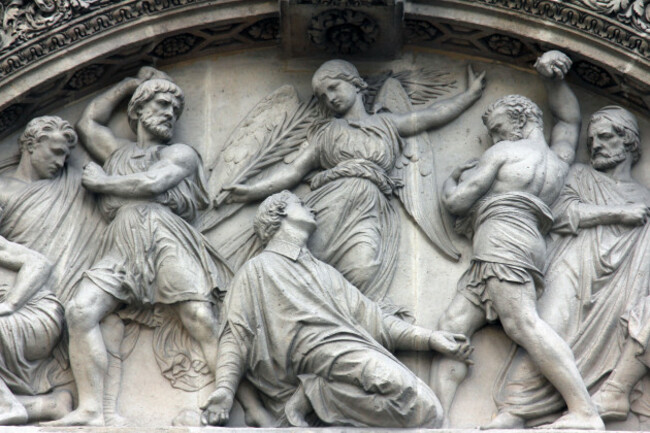
He was also known for his work towards the poor but was accused of blasphemy by the Jewish authorities and later stoned to death.

His death is said to have been witnessed by St Paul prior to his conversion.

St Stephen is considered to be the first Christian martyr, or protomartyr, after his death around 36 AD.

the-martyrdom-of-st-stephen-pediment-of-the-front-door-of-the-saint-etienne-du-mont-church-paris The Martyrdom of St. Stephen above front door of the Saint Etienne du Mont Church, Paris. Alamy Stock Photo Alamy Stock Photo

Why is his feast day on 26 December?

St Stephen’s remains are said to have been recovered in 415 and taken to the Church of Hagia Sion in Jerusalem.

His remains were transferred to this church on 26 December 415, which is why this date was chosen for his feast day.

Celebrating the first Christian martyr after the birth of Christ can also be seen as emphasising the theological concept that Jesus was born to die for humanity’s salvation.

Meanwhile, there is a tradition in the Christian Church stretching back to the Middle Ages of collecting money for the poor in alms boxes and these would be opened and distributed on 26 December, St Stephen’s Day, in honour of the first martyr.

Where else is today labelled St Stephen’s Day?

Most of Europe terms today St Stephen’s Day or the “Second Day of Christmas”.

In the US, today is not a public holiday and there is no specific term for 26 December.

However, in the UK it is officially called Boxing Day.

Where does “boxing” come into it?

Explanations for the origin of the name are murky.

Some point to it deriving from the practice of opening alms boxes on 26 December, in honour of St Stephen.

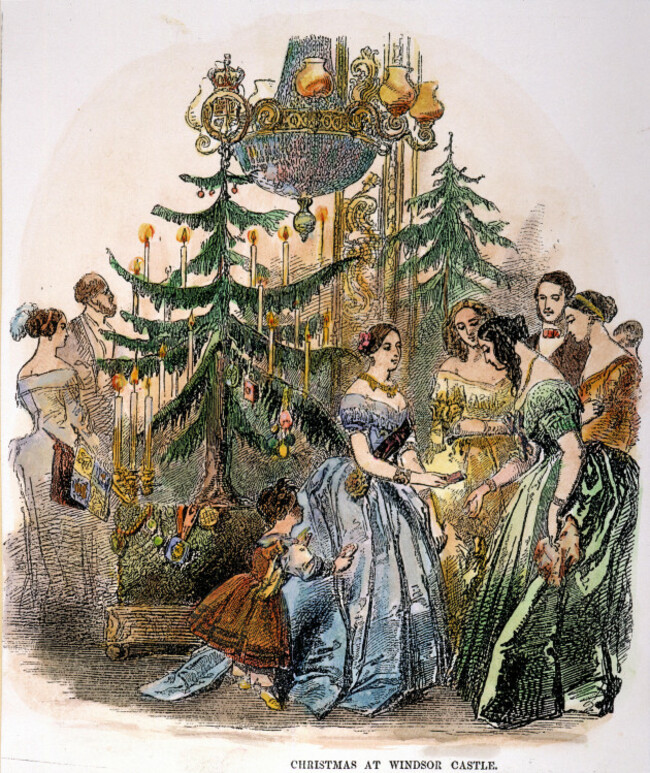
Others though argue that it comes from the Victorian Era, when wealthy families would “box” up gifts to give to their servants or the poor.

queen-victoria-nhanding-out-christmas-gifts-at-windsor-castle-wood-engraving-1846 Image dating to 1846 of Queen Victoria handing out Christmas gifts at Windsor Castle Alamy Stock Photo Alamy Stock Photo

However, elements of this tradition can also be seen in 17th Century Britain when people would “box” a gift or money for tradespeople who had provided them with good service.

A diary entry of the writer Samuel Pepys from 1663 states: “By coach to my shoemaker’s and paid all there, and gave something to the boys’ box against Christmas.”

Many of the traditions we now associate with Christmas, such as Christmas trees, comes from the Victorian era and it was during the 1830s that the term Boxing Day was popularised.

So while 26 December had long been associated with charitable giving, it was the Victorians who fleshed it out and gave it this title.

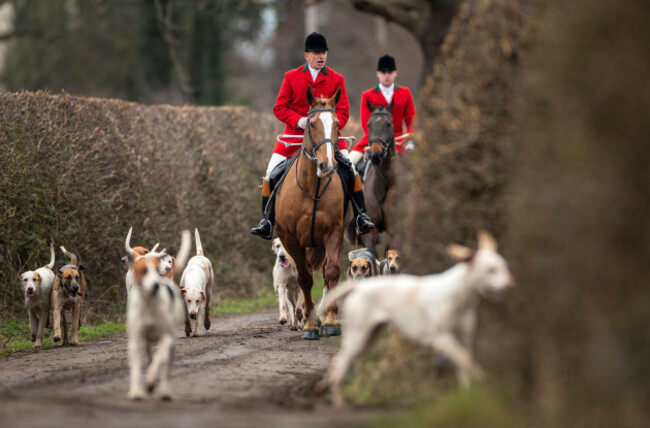
However, it is now more associated with Boxing Day sales and Boxing Day hunts in the UK than it is with charity. 

members-of-the-grove-and-rufford-hunt-take-part-in-a-traditional-boxing-day-hunt-in-south-yorkshire-dozens-of-boxing-day-hunts-have-gone-ahead-across-the-uk-as-campaigners-call-for-tougher-laws-to-ke Members of the Grove and Rufford Hunt take part in a traditional Boxing Day hunt in South Yorkshire in 2019 Alamy Stock Photo Alamy Stock Photo

So why is it often called Boxing Day in the North?

The Bank Holiday Act of 1871 made 26 December a public holiday in England, Wales and Ireland, which was under British rule – Scotland would have to wait until 1971 before it was made a public holiday there.

While the 1871 Act didn’t specifically refer to Boxing Day, the term was widespread at the time and 26 December is now officially designated as Boxing Day in the UK.

But despite being under British rule, the term never took off in the Republic of Ireland.

The recently formed Irish State officially labelled the public holiday St Stephen’s Day in the Holidays Act 1939, but the official designation in the North remained Boxing Day.

And while some nationalists will refrain from using this term, it is widely used all over the North.

What other traditions are association with St Stephen’s Day in Ireland?

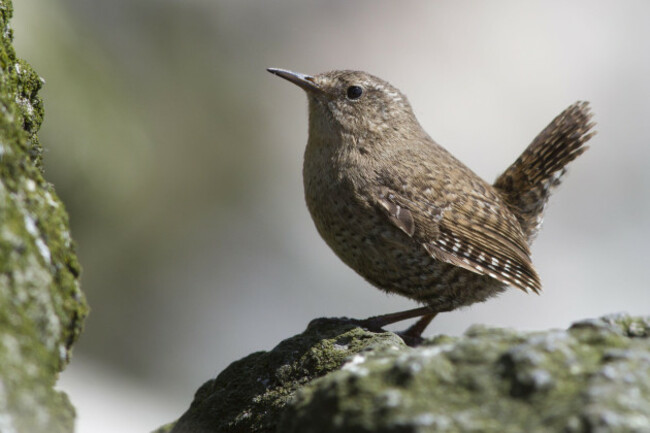
Today also marks Wren Day (Lá an Dreolín) in some parts of Ireland, notably in Kerry and the southwest, but also in parts of Dublin.

Wren Day has its origins in pre-Christian pagan times and the story of the wren has since been mixed in with that of St Stephen.

Tradition holds that it was the treacherous wren that betrayed St Stephen’s hiding place when he was evading death by stoning, that the wren betrayed Irish warriors to the Vikings, and even awoke Cromwell’s men just as the Irish were about to attack while they lay sleeping.

male-winter-wren-sitting-on-the-rocks-near-his-nest-on-a-summer-day-image-shot-102018-exact-date-unknown File image of a wren sat on rocks near its nest Alamy Stock Photo Alamy Stock Photo

Groups of boys known as ‘wren boys’ would hunt for the wren on 26 December.

They would dress up in disguise, play music and go from door to door asking for donations to bury the wren.

The song went: “The wren, the wren, the king of all birds, Stephen’s Day was caught in the furze, so up with the kettle and down with the pan, and give us a penny to bury the wren.”

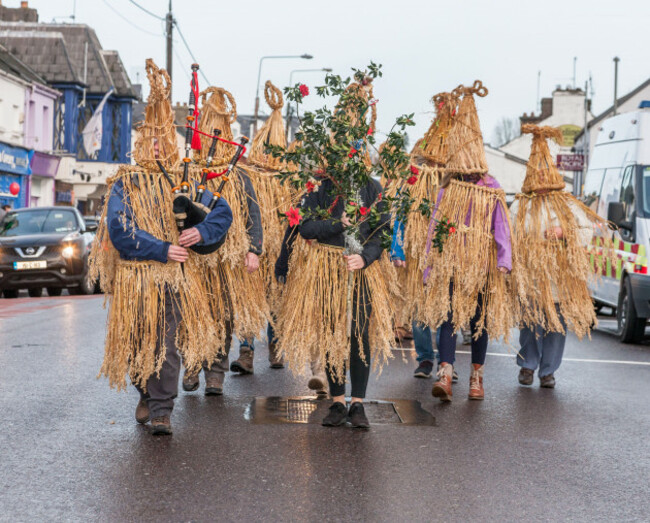
carrigaline-cork-ireland-26th-december-2019-members-of-carrigaline-comhaltas-dressed-as-straw-boys-arrive-on-main-street-as-part-of-the-st-stephens-day-celebrations-at-carrigaline-co-cork-ir Members of Carrigaline Comhaltas dressed as Straw Boys as part of Wren Day celebrations at Carrigaline, Co. Cork Alamy Stock Photo Alamy Stock Photo

The practice continues today, particularly in Dingle, where the wren boys continue to dress up and parade through the town, performing as they go and collecting money for charity.

Readers like you are keeping these stories free for everyone...
A mix of advertising and supporting contributions helps keep paywalls away from valuable information like this article. Over 5,000 readers like you have already stepped up and support us with a monthly payment or a once-off donation.

Close
39 Comments
This is YOUR comments community. Stay civil, stay constructive, stay on topic. Please familiarise yourself with our comments policy here before taking part.
Leave a Comment
    Submit a report
    Please help us understand how this comment violates our community guidelines.
    Thank you for the feedback
    Your feedback has been sent to our team for review.

    Leave a commentcancel

     
    JournalTv
    News in 60 seconds