We need your help now

Support from readers like you keeps The Journal open.

You are visiting us because we have something you value. Independent, unbiased news that tells the truth. Advertising revenue goes some way to support our mission, but this year it has not been enough.

If you've seen value in our reporting, please contribute what you can, so we can continue to produce accurate and meaningful journalism. For everyone who needs it.

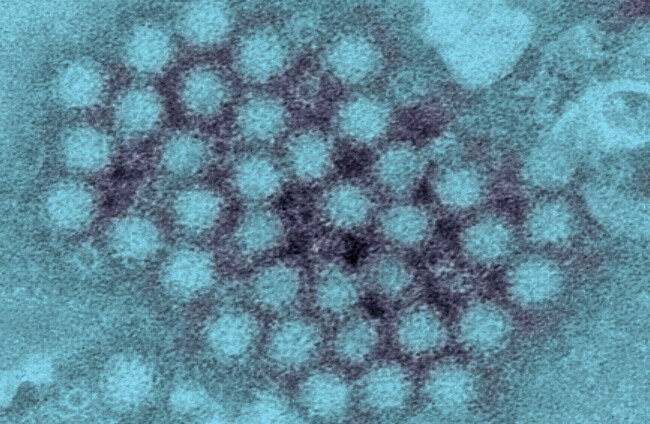
A close up of norovirus particles. Alamy Stock Photo

Public urged to be alert to signs and symptoms of norovirus as cases up over 50% in a week

The winter vomiting bug is one of the most common stomach bugs in Ireland.

THE HSE HAS urged the public to be aware of the signs and symptoms of norovirus as figures showed a sharp rise in cases.

There were 86 cases in the week ending 7 February, compared with 56 the week before, a 54% rise.

Norovirus, also known as the winter vomiting bug, is one of the most common stomach bugs in Ireland.

It causes vomiting and diarrhoea and spreads easily in public places like hospitals, nursing homes and schools.

The HSE said it has been made aware of 676 cases this winter season, which started at the end of September.

Most of the cases reported this week, 59%, were in people aged 65 and older.

In a statement, the HSE said: “While these illnesses are unpleasant but mild for many, they can be very serious for older adults, young children and people with underlying health conditions.

“The seasonal surge in winter viruses puts extra pressure on health and care services.”

The HSE urged people with the disease to stay home from work, school and socialising for 48 hours and avoid visiting hospitals and care homes.

It also said strict hygiene standards should be observed, including washing hands frequently with soap and water, cleaning contaminated surfaces and objects with bleach-based cleaners, and to avoid eating raw, unwashed food produce.

Dr Paul McKeown, a consultant in public health medicine, said: “Norovirus cases have been at high levels in recent weeks and outbreaks in hospitals have increased.

“It’s not always possible to avoid getting norovirus, but you can help stop the virus spreading.”

Close
JournalTv
News in 60 seconds