We need your help now

Support from readers like you keeps The Journal open.

You are visiting us because we have something you value. Independent, unbiased news that tells the truth. Advertising revenue goes some way to support our mission, but this year it has not been enough.

If you've seen value in our reporting, please contribute what you can, so we can continue to produce accurate and meaningful journalism. For everyone who needs it.

Alamy Stock Photo

Drowning in plain sight Thousands of sharks, skates, seals and dolphins are dying in tangle nets

Critically endangered species are being killed in a rapidly expanding crayfish fishery, and the State has known the risks for decades, writes Pádraic Fogarty.

WHY ARE THOUSANDS of endangered and protected animals drowning in fishing gear off the west coast of Ireland?

This includes grey seals, sharks, skates, dolphins and much more in legally designated ‘special areas of conservation’ or even our only marine national park, Páirc Náisiúnta na Mara, which surrounds Kerry’s Blasket Islands.

Some of the animals drowning in ‘tangle nets’, which are set to capture a lobster-like crustacean called a crayfish (sometimes a crawfish), include angel sharks and flapper skates, both of which are critically endangered, meaning there is a real chance of their total extinction, such is the pressure they are under.

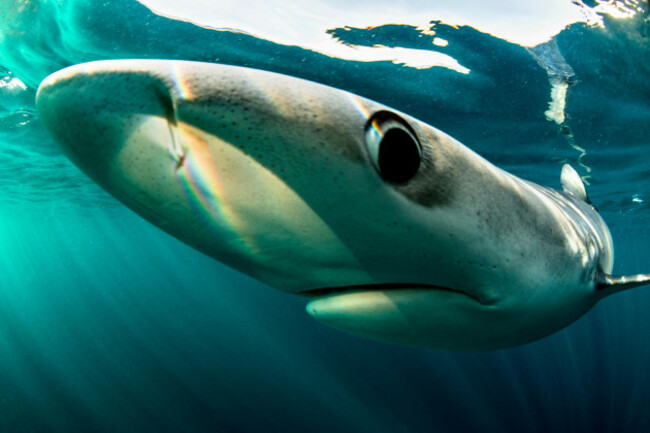
blue-sharks-prionace-glauca-swimming-underwater-close-up-baltimore-county-cork-ireland Blue sharks (Prionace glauca), swimming underwater, close-up, Baltimore, County Cork, Ireland. Alamy Stock Photo Alamy Stock Photo

The revelations come in a report from the Marine Institute, Ireland’s leading scientific body in matters related to the sea.

‘By-catch’ is the term used in the fishing industry for species which are caught in nets that are not wanted, and tangle nets, a technique that sets a loose net on the sea floor for anything up to a week and a half, has long been known for its high levels of by-catch. It is an indiscriminate death trap for any fish or sea creature that finds itself ensnared in one.

The scourge of tangle nets

This is not the first time that the Marine Institute has studied the issue of by-catch in the tangle net fishery.

In fact, in 1988, when it was first becoming a popular fishing technique, the Fine Gael TD for South Kerry, Michael Begley, told the Dáil that “this tangle net will completely destroy the shell fish industry unless the Minister introduces legislation immediately”.

Now, with the seas around Ireland virtually emptied of marine life, why are we still waiting for meaningful action from the State?

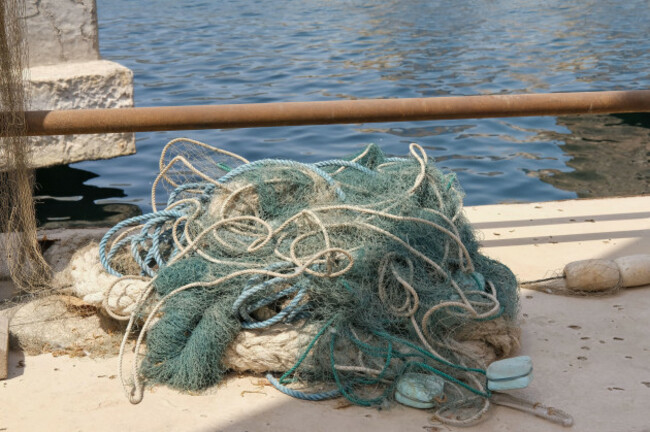
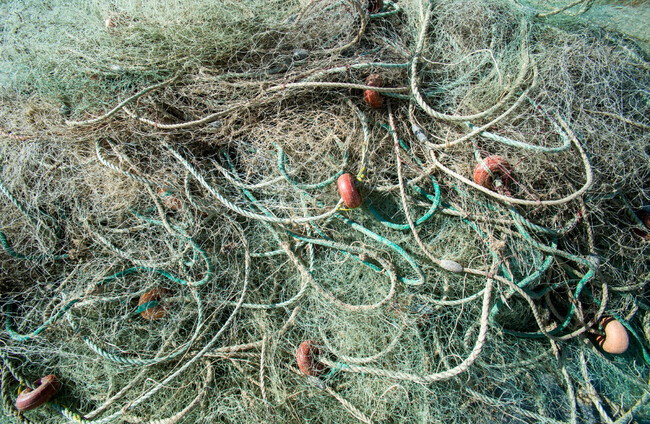
braided-fishing-net-from-fibers-woven-in-a-grid-like-structure-with-floats-pile-of-fish-mesh-traps-on-the-pier Alamy Stock Photo Alamy Stock Photo

This week, at a meeting of the Joint Oireachtas Committee (JOC) on Fisheries and Maritime Affairs, TDs and Senators tried to get some answers.

Fishermen were well represented, and they want answers, too. These are guys in small boats that are comparatively low impact on the environment. They are part of a cultural and economic tradition that goes back a long time.

They should be fishing for mackerel, herring, cod, turbot, salmon, sea trout, plaice, whiting, crab, lobster, pollack and much more, just like their ancestors did before them.

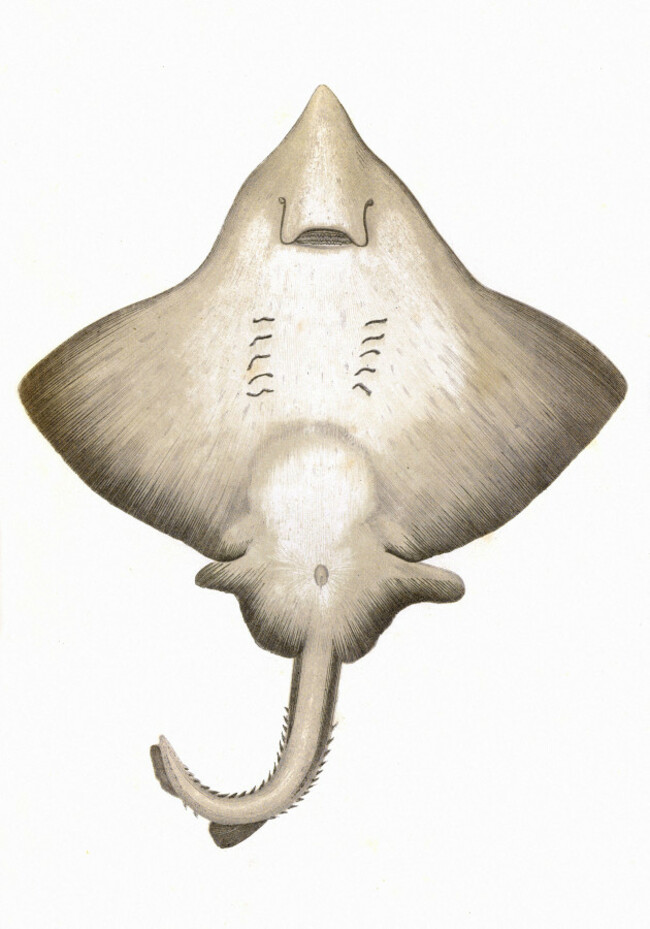
dipturus-intermedia-or-flapper-skate Dipturus intermedia, or Flapper Skate. Alamy Stock Photo Alamy Stock Photo

Yet, among this long list of fish and crustaceans, it is only lobsters that provide anything near a meaningful income these days, and even here, there are signs that numbers are dwindling. Many have been crying out for proper management to be put in place.

The recent collapse of brown crabs and the shutting down of the pollack fishery are what have pushed fishermen into greatly expanding the use of tangle nets for crayfish.

There has been an eight-fold increase in the landings in the last five years, and the fishery has expanded from West Kerry north to Mayo and east to Waterford. How has it come to this?

Where is the oversight?

Although it is the job of the National Parks and Wildlife Service, which sits within the Department of Housing, Local Government and Heritage, to monitor the health of endangered and protected species, it is the Department of Agriculture, Food and the Marine (DAFM) that is tasked with managing fishing, even when this is happening within special areas of conservation or National Parks.

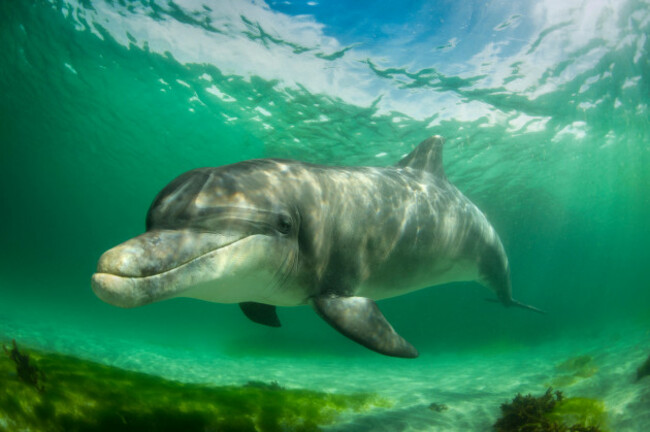
bottlenose-dolphin-inisheer-island-ireland Bottlenose dolphin,off the coast of Ireland. Alamy Stock Photo Alamy Stock Photo

It is true that beyond 12 nautical miles from the coast, the waters are a shared resource among the countries of the European Union, with factory trawlers from many nations.

But within this rich coastal strip, the office of the Minister for Agriculture is free to manage the area for the protection of small coastal fisheries and the biodiversity upon which they depend. Yet it has failed abjectly to do so.

The Social Democrats TD Jennifer Whitmore told the committee that reports of by-catch in the tangle net fishery go back to 2005, while in 2021, there was a public consultation on banning the nets across the south-west and transitioning the fishery to one based on pots, the traditional way of catching crayfish, which does not result in by-catch.

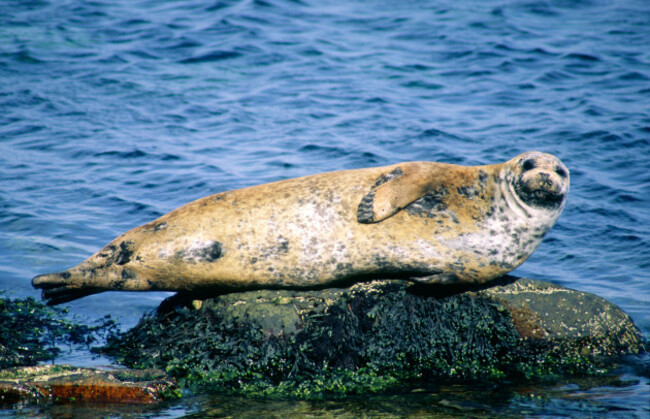
grey-gray-seal-basking-on-rock-north-atlantic-scotland-ireland The grey seal. Alamy Stock Photo Alamy Stock Photo

She listed the death toll from the latest report, including 1,161 grey seals, 81 angel sharks and 1,712 flapper skate, putting it to the DAFM officials: “What have you been doing for the last 10-15 years?” The official replied that “it’s about coming together, getting the science in place fully, and that takes a long time”.

The issue is much broader than tangle netting. In 2013, the Marine Institute completed a risk assessment of fishing activities inside special areas of conservation, identifying where harmful activities were in contravention of legally binding conservation objectives, e.g. bottom trawling or dredging on sensitive sea floor habitats, potting on sea grass beds and tangle netting in areas where the risk of drowning of dolphins, seals and porpoises was unacceptably high.

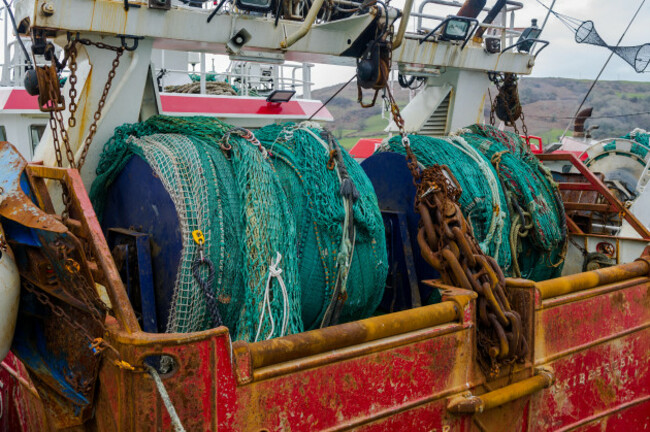
fishing-nets-on-a-commercial-trawler-moored-in-union-hall-clontaff-county-cork-ireland Alamy Stock Photo Alamy Stock Photo

Arising from this risk assessment, DAFM was to have issued regulations, referred to as ‘Natura Declarations’, to reconcile fishing activities with conservation objectives. Yet, at the committee (JOC), the Irish Wildlife Trust highlighted that despite having hundreds of these areas around the coast, DAFM have only issued 11 Natura Declarations and none in the last year.

Separately, the government has been promising since 2008 that it would pass legislation for Marine Protected Areas, but this has yet to materialise.

The latest revelations from the Marine Institute record unsustainable levels of drowning of grey seals in and around a special area of conservation at the Blasket Islands, which is now also a National Park.

Jennifer Whitmore asked the officials why Natura Declarations have not been issued, noting that “the evidence has been there, but you haven’t done anything with it”.

The official suggested that the problem was “finding the appropriate area” for such a measure, and noted that despite the high level of mortality, the grey seal is in ‘favourable status’, casting doubt on whether there is a problem at all.

Only the State, and specifically DAFM, can manage the seas around us, which are a common heritage of us all. Yet they have abandoned their responsibilities, something that has driven the fishermen to near extinction, as well as countless other species.

Pádraic Fogarty is an environmental campaigner. 

Readers like you are keeping these stories free for everyone...
A mix of advertising and supporting contributions helps keep paywalls away from valuable information like this article. Over 5,000 readers like you have already stepped up and support us with a monthly payment or a once-off donation.

Close
5 Comments
This is YOUR comments community. Stay civil, stay constructive, stay on topic. Please familiarise yourself with our comments policy here before taking part.
Leave a Comment
    Submit a report
    Please help us understand how this comment violates our community guidelines.
    Thank you for the feedback
    Your feedback has been sent to our team for review.

    Leave a commentcancel

     
    JournalTv
    News in 60 seconds