We need your help now

Support from readers like you keeps The Journal open.

You are visiting us because we have something you value. Independent, unbiased news that tells the truth. Advertising revenue goes some way to support our mission, but this year it has not been enough.

If you've seen value in our reporting, please contribute what you can, so we can continue to produce accurate and meaningful journalism. For everyone who needs it.

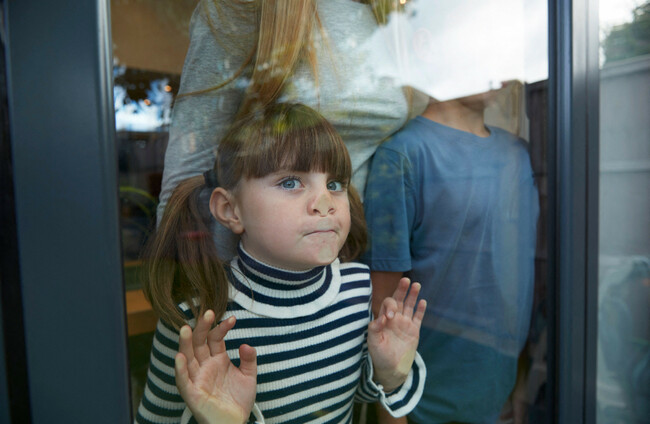
Alamy Stock Photo

Playdates, parties and autism The invitations some children never receive

Lucinda Murrihy hears from other parents of autistic children about the quiet heartbreak of missed playdates and unanswered invitations.

TODAY, AS IT happens, is World Autism Awareness Day. That may not be a major mark in everyone’s calendar, but today, I am mostly thinking about the children who are left out of the everyday moments that shape how they see themselves.

Yesterday, a parent shared something in a local WhatsApp support group that would stop many in their tracks. She and others who responded gave me permission to share this.

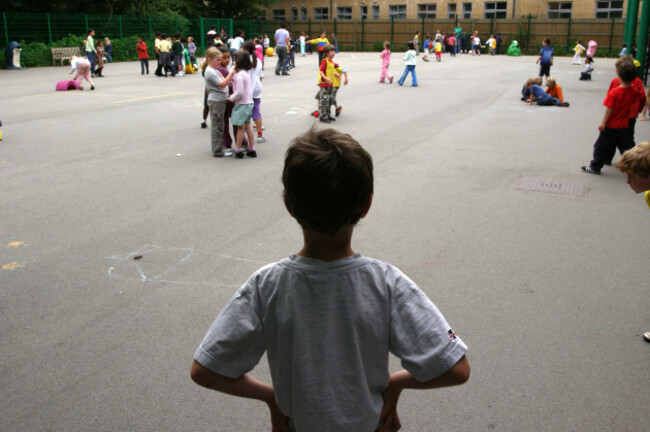
This woman’s autistic son had just finished a morning at an Easter camp with four of his classmates. At the end, he stood watching as those same children left together for a playdate he had not been invited to.

As often happens, her message opened the floodgates in the group. Other parents shared their own similar experiences. One spoke about her autistic child inviting his entire class to his birthday party last year – no one came.

Another described how children would suggest playdates with her child, but when she reached out to parents, the answer was always no. She spoke about the quiet hurt of hearing other families arrange get-togethers in front of them without inviting her child.

a-child-alone-in-a-school-playground-london-junior-school-image-shot-2004-exact-date-unknown Alamy Stock Photo Alamy Stock Photo

It is hard to fully grasp the impact of moments like these on a child. For many autistic children, this kind of exclusion happens again and again across birthday parties, playdates and school life. One parent said she often feels grateful her autistic twins have each other, because otherwise they would be entirely alone.

Diversity misunderstood

It’s striking that babies and toddlers accept difference without hesitation. I watched my own autistic children in creche and preschool a few years back. Their peers were naturally open, curious and inclusive.

But over time, something shifts. Without meaning to, we can create a framework where difference becomes something to correct rather than understand. We sometimes tell children what is “good” and what is “bad”, what is “normal” and what is not.

From struggling with transitions to relying on comfort objects or imaginative worlds for regulation, from different ways of communicating, such as gestalts (e.g. scripting from movies or books or a phrase someone has said) and stimming (self-regulatory behaviour like repetitive movements or sounds). Without teaching children that all the above are perfectly acceptable human behaviours, these diverse ways of being can be misread, and judgment can follow.

We instead need to nurture the natural curiosity young children have and encourage them to keep wanting to understand their friends’ needs, differences and ways of being.

I’m so grateful my children are surrounded by adults who do this at their Gaelscoil. I have seen the power of it on my eight-year-old daughter, who has an autistic friend with a Pathological Demand Avoidance (PDA) profile in her class. She needs autonomy to feel safe, and she often communicates that through behaviour.

Children can adapt

What has stayed with me is not just how my daughter sees her friend, but how she sees the adults around her respond – calmly explaining to other children that her friend is advocating for what she needs, and that it is all of us who need to adapt.

Through that friendship, my daughter has developed a depth of empathy that cannot be taught in words. I see it in how she interacts with her brother, who has an intellectual disability. She is more patient, more understanding and more aware. She is a better person because of that little girl.

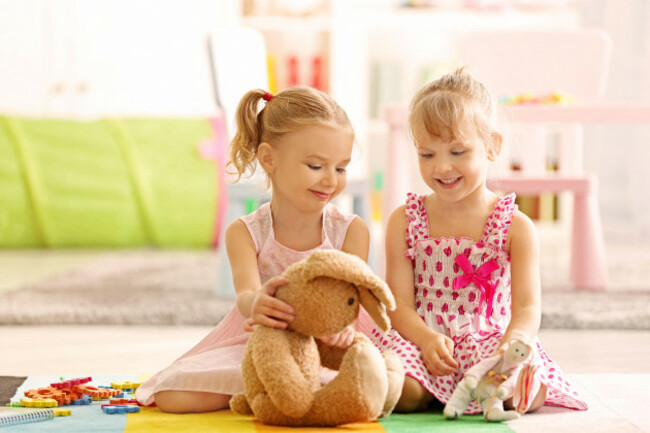
cheerful-little-girls-playing-on-floor Alamy Stock Photo Alamy Stock Photo

Another parent in our WhatsApp group shared how her autistic son spoke to his classmates about how noise affects him, how clothing can feel uncomfortable and why he sometimes needs to move or step away. His classmates responded with curiosity and kindness. It was a simple act of openness, but it transformed how he was understood and included.

Not every autistic child will want to do that, but it shows what can happen when understanding is given space. My non-speaking son has built genuine connections in school, not through words, but through presence. The children around him have learned to adapt their games so he can be part of them. When they play in the yard they’ve noticed my son likes to observe. When someone is out of the game, they sit beside him and observe the rest of the game with him because they know that’s where he feels most comfortable.

Like all learning, it’s not perfect. His special needs assistants (SNA) recently shared how she gently teaches the children not to speak to him like a baby – that he is seven years old and deserves the same respect as any other child. These are small moments, but they matter. They shape how children understand dignity, respect and difference.

Real world inclusion

Inclusive friendships do not just benefit autistic children – they shape kinder, more compassionate communities. But inclusion doesn’t happen by accident. It starts with small, conscious choices from adults.

So, as summer approaches – a time that can be especially lonely for many autistic children – there are simple ways parents can help:

  • Pause when planning birthdays or playdates and ask: who might be left out?
  • Talk to your children about difference. When they understand, they are far more likely to include.
  • If you’re unsure how to include a child, ask their parents. Most of us are more than happy to help make things easier.
  • Share small details – what the environment will be like, what food will be there – so families can prepare, or bring what their child needs.
  • Offer flexibility, like allowing a parent to stay nearby if that helps the child feel safe.
  • If a child can’t attend, keep inviting them. Sometimes they can’t attend but they always want to.
  • Ask your child’s school to create opportunities for children to learn about difference in meaningful ways. Organisations like AsIAm offer autistic-led talks that help children understand and embrace diversity. Encourage your child’s school to adopt neuroaffirming approaches, so children are not just told to be inclusive – they see it modelled every day by the adults around them.

Children are ready to understand. We just need to give them the opportunity.

Feeling isolated is one of the most common experiences for autistic people, and it doesn’t have to be. Sometimes, it starts with something as small as an invitation.

For a child, that can mean everything.

Lucinda Murrihy is the proud mum of two autistic children.

Readers like you are keeping these stories free for everyone...
A mix of advertising and supporting contributions helps keep paywalls away from valuable information like this article. Over 5,000 readers like you have already stepped up and support us with a monthly payment or a once-off donation.

Close
JournalTv
News in 60 seconds