We need your help now

Support from readers like you keeps The Journal open.

You are visiting us because we have something you value. Independent, unbiased news that tells the truth. Advertising revenue goes some way to support our mission, but this year it has not been enough.

If you've seen value in our reporting, please contribute what you can, so we can continue to produce accurate and meaningful journalism. For everyone who needs it.

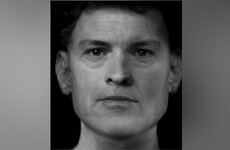
Yevgen McKeeffe appeared at Cloverhill District Court today. (file image) RollingNews.ie

Bail bid 'in progress' for civil servant accused of leaking government information to foreign power

Yevgen McKeeffe was arrested at departures in Dublin Airport on Thursday, attempting to leave the country carrying €5,650 and a one-way ticket.

A DUBLIN CIVIL servant accused of leaking confidential government information to “handlers” in a foreign intelligence agency has been further remanded in custody pending directions from the Director of Public Prosecutions (DPP).

Yevgen McKeeffe (45), originally from Ukraine but with Irish citizenship, had been arrested at departures in Dublin Airport on Thursday, attempting to leave the country carrying €5,650 and a one-way ticket.

He was refused bail after appearing in court on Saturday, following an investigation by the Garda Special Detective Unit (SDU). He has not indicated a plea. 

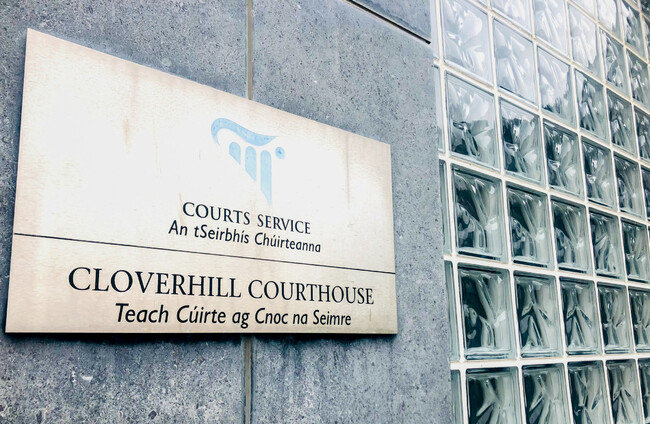
He faced his second hearing when he appeared at Cloverhill District Court today.

Defence barrister Aisling Ginger-Quinn told Judge Alan Mitchell that the case was listed for the DPP’s directions, and she also said that a High Court bail application was “in progress.”

Court Garda Sergeant Olwyn Murphy said a four-week remand in continuing custody was required. The defence consented.

He told Mr McKeeffe that he will appear again via video link on 30 June unless he has been granted bail in the meantime, in which case he will have to turn up in person on the next date.

The accused spoke briefly during the proceedings at the outset to state his name and at the end, as his case was adjourned, when he said, “Okay. Thank you.”

His original hearing was told that the IT worker was allegedly about to leave the State to meet a contact and provide sensitive information, which would place the State at risk.

He was charged under Section 9 of the Theft and Fraud Offences Act for the unlawful use of a computer in his employment, which, on conviction, is punishable by a maximum 10-year sentence.

Reporting restrictions were imposed, preventing journalists from revealing his address in Dublin, the specific government department where he worked, or the overseas country implicated in the case.

However, the media could name the accused.

SDU Detective Sergeant Shay Palmer had said Mr McKeeffe “made no reply” to the charge.

Objecting to bail, Detective Sergeant Palmer told the court that an intelligence-led investigation was launched about a week ago into the civil servant who worked in an information management technology section, having previously been in the IT section.

Further charges under the Official Secrets Act could be brought.

Detective Sergeant Palmer said the accused had worked on the department’s website and an online portal.

The accused had allegedly obtained or transferred official department data, “and supplied them to a foreign intelligence service for personal gain.”

The SDU officer said Mr McKeeffe was about to fly to Turkey last Thursday, and then proceed “on to his final destination where he would meet with his contact and share confidential information which had the potential of creating risk to the Irish State”.

He had previously travelled out of the country in 2025 under his current name, but had used another name on an earlier flight.

The court heard gardaí seized electronic devices and documents during a search of his home computer.

His workplace was also examined, and his desktop computer was seized. Gardaí accessed his work system and downloaded an audit log.

The court heard claims he accessed the portal site where the department’s organisational structure and personnel details were photographed and “sent to his foreign contact”.

Beforehand, he allegedly created an Excel file with personal details of staff in the department. It was claimed that he subsequently sent the pictures to a handler in a foreign jurisdiction, using the Telegram app on his mobile phone.

Mr McKeeffe allegedly printed off a list of websites controlled by the department, photographed them and sent them to his handler.

It was claimed that he explained that different departments had sub-departments with their own websites. The court heard he took pictures and videos of the websites, which were sent to his contact.

The bail hearing was told that he had access to familiarisation events and agendas for different sections, and that he had sent pictures, PDF documents, and videos from his phone and home.

Detective Sergeant Palmer said Mr McKeeffe received payments in a foreign currency equivalent to €250–€260 for his efforts, which were paid into his mother’s account.

The Garda National Cyber Crime Bureau has examined his mobile phone. The SDU officer maintained that the device contained a picture of the partial hierarchical organisational structure at his workplace, including management, and identified several individuals.

A sample of the Excel document had personal details of staff.

The court heard he had signed the Official Secrets Act when he started work.

Detective Sergeant Palmer also raised significant flight risk concerns, saying the IT worker had used four other variations of names.

He accepted Mr McKeeffe had Irish citizenship but stated that he also had family in Ukraine’s Donbas region and no familial ties to Ireland.

The defence said Mr McKeeffe had no prior criminal convictions.

His solicitor said his client visited the disputed region in Ukraine during the war to visit family, after a gap of 16 or 17 years. His solicitor contended that there was no significant travel pattern and that it was understandable he was worried about his family in that area.

The officer agreed the accused was a single man and had been in Ireland lawfully since 2002 and had progressed to citizenship.

The court heard that since he commenced his government job, he had been employed in two departments. His solicitor said Mr McKeeffe had the money to get healthcare work done and always planned to return to Ireland.

His solicitor agreed his client had signed the Official Secrets Act when he commenced employment, but maintained that “it was not explained to him in any detail”.

The accused had an Irish passport and two from his homeland, all under his original name, which had changed because people had trouble pronouncing it, the court had heard.

Close
JournalTv
News in 60 seconds