We need your help now

Support from readers like you keeps The Journal open.

You are visiting us because we have something you value. Independent, unbiased news that tells the truth. Advertising revenue goes some way to support our mission, but this year it has not been enough.

If you've seen value in our reporting, please contribute what you can, so we can continue to produce accurate and meaningful journalism. For everyone who needs it.

Alamy Stock Photo

A €10m scheme, a crashed website ... and a lesson for the next Budget?

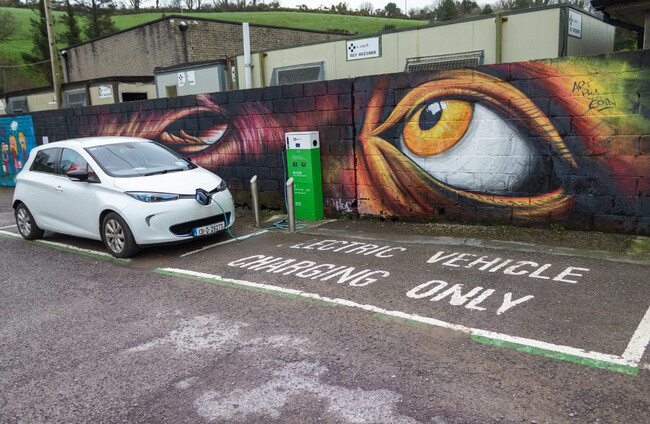
The ICE2EV scrappage scheme has been declared a success – so will we see it again for 2027?

AT 9AM ON Wednesday, 1 July, a lot of car dealers around the country were sitting at their desks, coffee in hand, refreshing a webpage.

By 9.40am it was all over for anyone chasing a grant from a rural area. By 10.15am, the urban money was gone too. In total, it took a little over an hour for €10 million to disappear.

That was the ICE2EV pilot scheme, and if you blinked, you missed it.

For those who did blink, a quick recap.

The scheme offered a €5,000 grant, on top of the existing €3,500 SEAI purchase grant, to anyone who scrapped a car more than 13 years old and replaced it with a new electric one.

It opened for applications through dealers at 9am, and the SEAI’s system, groaning under the weight of everyone trying to get in at once, promptly fell over for about 10 minutes.

When it came back, the money went fast. Two thousand EVs were funded in total.

That sinking feeling 

I’ll admit my first reaction, like a lot of people, was a sinking feeling that this looked like chaos. A website crashing on launch day is not exactly a vote of confidence.

But once the dust settled, and the numbers came in, it was hard not to be a bit impressed by what those frantic 75 minutes actually achieved.

Registrations of electric cars on 1 July were up 85% compared to the same day last year, with 1,066 EVs going through the system in a single day.

More interesting to me than the headline number was where those cars went. Counties that have traditionally been slow to warm to electric motoring, places like Mayo, Offaly and Monaghan, all saw notable jumps in uptake.

Dublin still accounts for the lion’s share of EV registrations nationally, but a scheme that manages to shift behaviour outside the M50 is doing something right.

The Department’s own figures back this up. According to the official release on the scheme’s closure, the funding was skewed 65% towards rural areas, and the average car being scrapped was 16 years old or more, well beyond the 13-year threshold.

There was also a clear appetite for smaller, cheaper EVs rather than premium models, which tells you something about who exactly was queuing up for this money.

Between models like the BYD Dolphin Surf and various entry-level Hyundais and Kias, this wasn’t a scheme being hoovered up by people who were going to buy an EV anyway.

It looks, on the evidence so far, like it reached people who genuinely needed the push.

ICE be back?

So will we see ICE2EV again? I put that question to the Minister for Transport, Darragh O’Brien, when he joined me on the DoneDeal Cars’ Driver’s Republic podcast recently. His answer was a fairly firm no, not this year anyway.

The scheme was always billed as a pilot, the money was ringfenced, and once it’s spent, it’s spent. But he was equally clear that the Department and the SEAI will be poring over the data from this scheme to figure out what worked, what didn’t, and whether something like it might return in a different shape down the line.

That, to me, is the more interesting story here. Governments don’t always love admitting that a scheme worked almost too well.

It’s much easier to quietly let a successful pilot die than to be honest about the fact that demand outstripped supply within an hour.

The temptation will be to view ICE2EV as a nice news story, a box ticked, and move on.

I’d hope instead that the lesson taken is that there’s a cohort of drivers out there, with old, thirsty, expensive-to-run cars, who will make the jump to electric the moment the numbers are made to work for them.

The existing €3,500 SEAI grant remains in place, and there’s an extra €37 million earmarked from the Climate Action Fund to keep pace with demand this year, so the door to going electric hasn’t shut.

But a scrappage-style scheme specifically aimed at the oldest, most polluting cars on our roads did something that the standard grant alone hasn’t quite managed, which is to pull in buyers in parts of the country that the EV conversation usually skips past.

Ireland has a target of 30% of the national fleet being electric by 2030.

On the evidence of one very chaotic Wednesday morning as well as a 116% increase in EV searches in DoneDeal Cars compared to June 2025, a well-aimed grant, even a small one, can move that needle faster than a lot of the slower, steadier policy work around it.

Whether the political appetite exists to fund another one is the real question, and probably one for Budget day.

Paddy Comyn is the head of automotive content and communications with DoneDeal Cars. He has been involved in the Irish motor industry for more than 25 years.

Journal Media Ltd has shareholders in common with DoneDeal Ltd.

Readers like you are keeping these stories free for everyone...
A mix of advertising and supporting contributions helps keep paywalls away from valuable information like this article. Over 5,000 readers like you have already stepped up and support us with a monthly payment or a once-off donation.

Close
JournalTv
News in 60 seconds