Sign in. It’s quick, free and it’s up to you.
An account is an optional way to support the work we do. Find out more.
Sign in. It’s quick, free and it’s up to you.
An account is an optional way to support the work we do. Find out more.
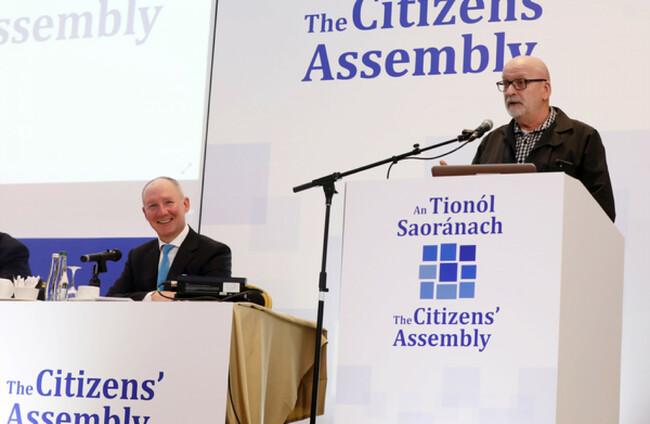
THE CITIZENS’ ASSEMBLY on a directly elected Mayor for Dublin has held its first in-person meeting.
The Dublin Assembly, which will run in parallel with the Citizens’ Assembly on biodiversity loss, is meeting at the Grand Hotel in Malahide under the chairmanship of former Dublin manager Jim Gavin.
Author Roddy Doyle also addressed the Assembly to give his interpretation of what Dublin is.
The Assembly is made up of 80 members; Chairman Jim Gavin, 67 randomly selected citizens of Dublin City and County, and the 12 elected councillors that were nominated to participate.
Over the next eight months, it will examine the potential benefits, challenges, and opportunities associated with a directly elected Mayor for Dublin.
The Assembly will also consider the appropriate structure for local and regional government, looking at models in other capital cities like London and Paris as possible models.
This morning, the Assembly heard presentations on “What is Dublin” by historian Dr Ruth McManus, of DCU, and Roddy Doyle.
Dr Aodh Quinlivan, who is a lecturer in UCC and a member of the Citizens’ Assembly expert group, said Doyle had the audience “in stitches as he colourfully described the sounds of Dublin and the city’s character”.
The assembly also was given an overview of the current arrangement of the local government in Dublin and will later hear about the powers and funding of the local authorities.
The Assembly will meet again tomorrow, where there will be a panel discussion with the Chief Executives of the four Dublin local authorities.
It’s hoped that the Assembly will conclude its work and submit its report to the Oireachtas by January of next year, and sooner if possible.

To embed this post, copy the code below on your site










have your say