We need your help now

Support from readers like you keeps The Journal open.

You are visiting us because we have something you value. Independent, unbiased news that tells the truth. Advertising revenue goes some way to support our mission, but this year it has not been enough.

If you've seen value in our reporting, please contribute what you can, so we can continue to produce accurate and meaningful journalism. For everyone who needs it.

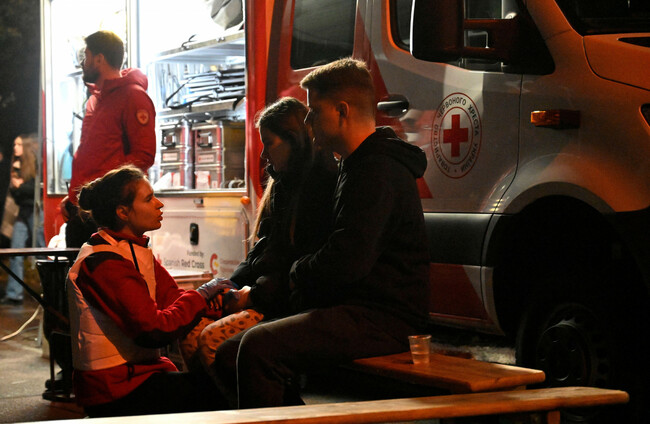
A Ukrainian Red Cross Society worker in Kyiv last October. The International Committee of the Red Cross has been critical of dinformation and false narratives spreading in the course of the Ukraine War. Alamy Stock Photo

Conspiracy theories are fuelling attacks on NGOs and aid workers, expert warns

There’s been a surge in online disinformation around aid agencies and other non-governmental organisations.

CONSPIRACY THEORIES AND disinformation around NGOs and humanitarian workers have caused a major spike in violence against their missions, a leading expert has said.  

The comments come amid a surge in the circulation of online conspiracy theories that aid agencies and other non-governmental organisations are corrupt or operating with ulterior motives.

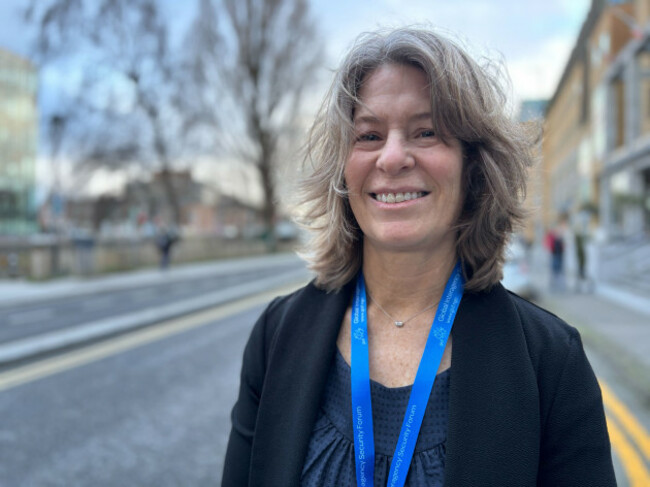
Abby Stoddard – a founding partner of Humanitarian Outcomes, which documents attacks and fatalities on members of NGOs – spoke to The Journal at the Global Security Risk and Policy Conference in Dublin yesterday. 

Stoddard said that disinformation about aid agencies and other groups was making their ability to operate in conflict zones more dangerous than ever. 

There has been an uptick in misinformation about NGOs in recent years, with the most common narratives linking them to government funding or certain politicians, or accusing them of working on behalf of governments.

Stoddard said that while it is difficult to blame specific incidents on anti-NGO sentiments there is “a palpable sense that NGO has become a dirty word” in locations where attacks have occured.

“You’re seeing social media smear campaign where all of these vague accusations about corruption, about espionage are being amplified by potentially interested bad actors.

“And it’s not particular organisations necessarily, it’s the whole sector when you have the US government now saying similar things.

“This is a huge concern, because a government who might already be hostile to or conflict party already hostile to what aid workers are doing now can say, as they roll them up at a checkpoint, ‘well, your own government says you’re corrupt’.” 

Last year was the second year in a row where records of aid worker fatalities were broken with 378 deaths recorded.

There have been high profile attacks on aid workers in Gaza and in Ukraine as well as across locations in Africa – particularly in the war-torn Sahel region.

IMG_2654 Abby Stoddard. Niall O'Connor / The Journal Niall O'Connor / The Journal / The Journal

‘Good faith’

Stoddard said that in her discussions with workers across the global humanitarian sector “something has changed” and that there is no longer an assumption of “good faith” in the work of aid workers.

“They’re no longer considering you the good guys and it’s worse in some places, and it’s a hell. It’s very bad.”

She added that aid workers “are present” and often act as witnesses to atrocities, making them a target for those who are committing crimes against humanity. 

But Stoddard said often it can be even simpler: “They’re also a convenient target, because if you’re an armed group, and you don’t have your enemy in proximity, here’s somebody who could be.”

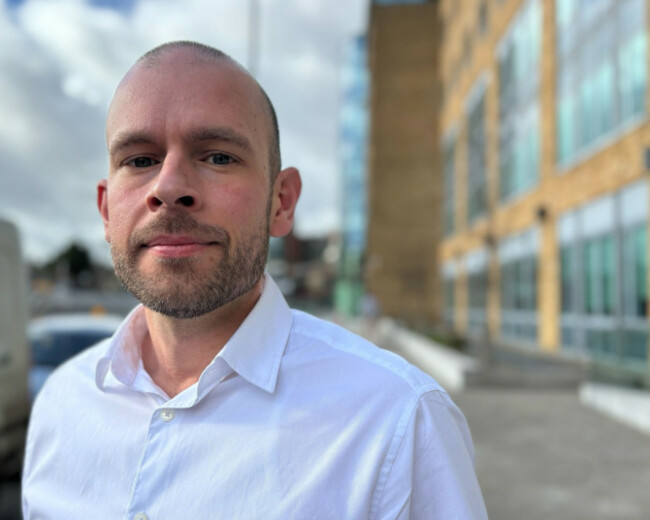
The Global Security Risk and Policy Conference was hosted by the Global Interagency Security Forum (GISF) . Jon Novakovic, who is the group’s director, told The Journal he was concerned at the rise in the ability of state and state-aligned actors “to amplify misinfo and disinformation” within communities where NGOs are working. 

IMG_2657 Jon Novakovic. Niall O'Connor / The Journal Niall O'Connor / The Journal / The Journal

Speaking a day after the UK announced it was cutting its aid budget to increase spending on defence, Novakovic said the greater focus on funding for hard power was increasing risk.

When asked about what keeps him up at night Novakovic quoted from former US General and ex-Defence secretary Jim Mattis: “He said in 2015 that ‘for every dollar you don’t spend on diplomacy and aid, I’ve to spend two dollars on bullets’.

“There seems to be a trend towards wanting to spend the two dollars on bullets at the moment.

“So what worries me is that you’re going to not allow NGOs to get where they need to go, because you’re cutting the funding to them, and the world is going to find out that the relative stability they took for granted, is going to crumble and there’s not enough military might to hold that together.”

Ireland was amongst a number of nations that supported a UN resolution in December calling for renewed global commitments to aid worker protection.

100 security specialists joined representatives of the Irish, EU and British governments at yesterday’s Dublin city centre conference. 

Ever wondered how disinformation spreads so rapidly – or who is behind it? Check out our FactCheck Knowledge Bank for essential reads and guides to finding good information online.

Readers like you are keeping these stories free for everyone...
A mix of advertising and supporting contributions helps keep paywalls away from valuable information like this article. Over 5,000 readers like you have already stepped up and support us with a monthly payment or a once-off donation.

Close
JournalTv
News in 60 seconds