Sign in. It’s quick, free and it’s up to you.
An account is an optional way to support the work we do. Find out more.
Sign in. It’s quick, free and it’s up to you.
An account is an optional way to support the work we do. Find out more.
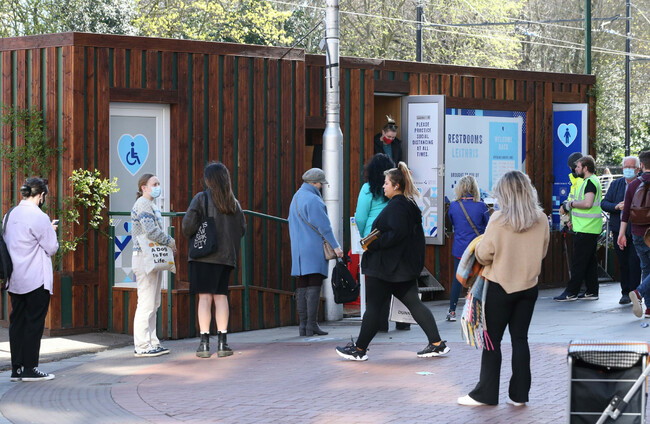
DUBLIN CITY CENTRE’S only public toilets will stay open for a bit longer, as Dublin City Council looks for a long-term solution to the issue.
The Grafton Street facility, which opened five years ago near St. Stephen’s Green to fill the gap left by shuttered cafes and shops during lockdown, had been slated for closure due to falling demand.
At its peak in 2021, the toilets served around 20,000 users each week, but that number has dropped to roughly 1,500 a day.
Despite the lower footfall, the council is still spending close to €400,000 a year to keep them running from 10am to 6pm daily.
Plans to shut the toilets sparked backlash, with several councillors and TDs calling the move “short-sighted”.
The closure was initially prompted by the operator of the facility, who is ceasing trading and requested the units be removed.
In a council meeting this afternoon, Lord Mayor Emma Blain said she had been “blindsided” by the news and stressed the importance of keeping the toilets open, especially for pregnant women, elderly people, and others who rely on the facility.
Following a meeting with the South East Area Committee, Blain confirmed that the site would remain open until a permanent replacement is in place.
Formal planning for the installation of new public toilets in the city is expected to start this autumn.
During that time, the council will also appoint a new service provider to staff the toilets.
Councillors welcomed the decision to keep the current toilets running, but many said it’s not enough.
Several pushed for more public toilets across the city, arguing that access to sanitation is a basic service.
Green Party councillor Claire Byrne stresed that the council should “apply the same sense of urgency that people who need to use the toilet have” when tackling the issue.
“This isn’t just about one toilet,” she said. “It’s about meeting a basic public need that’s been ignored for too long.”

To embed this post, copy the code below on your site














have your say